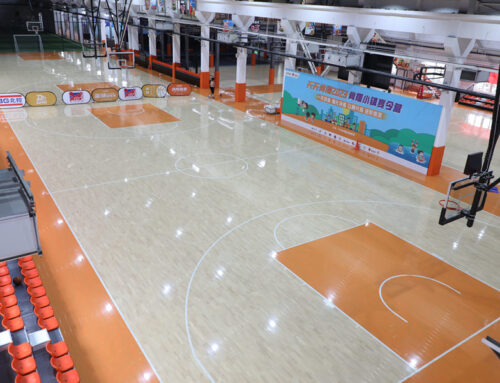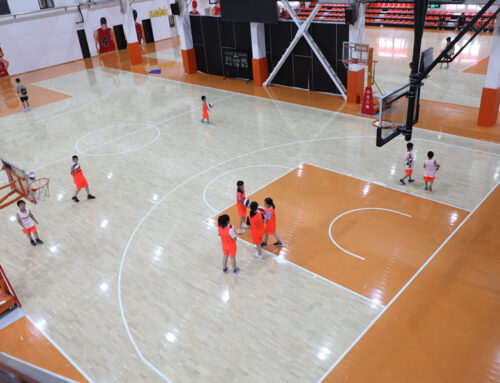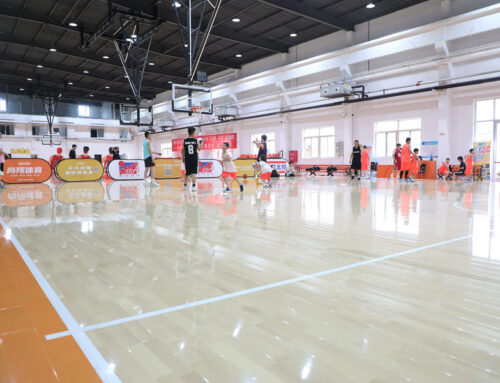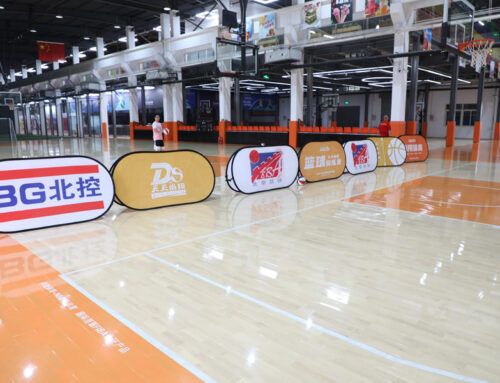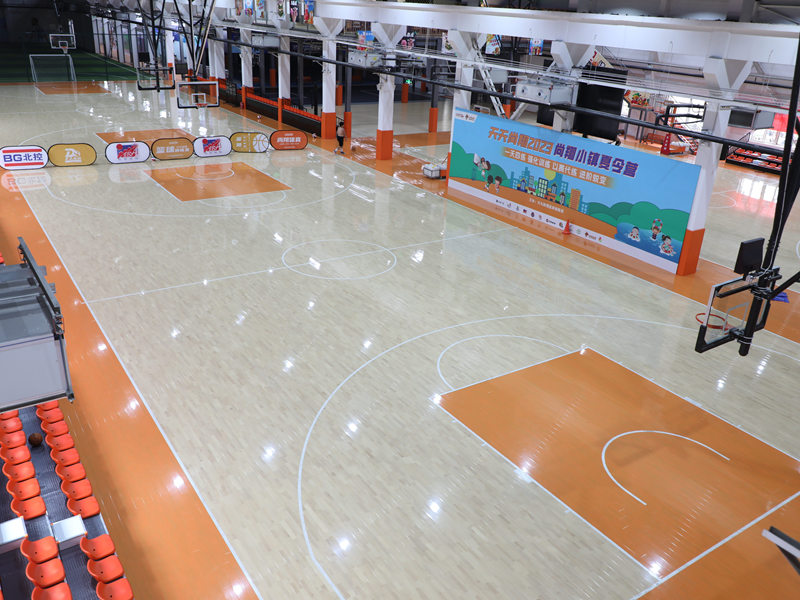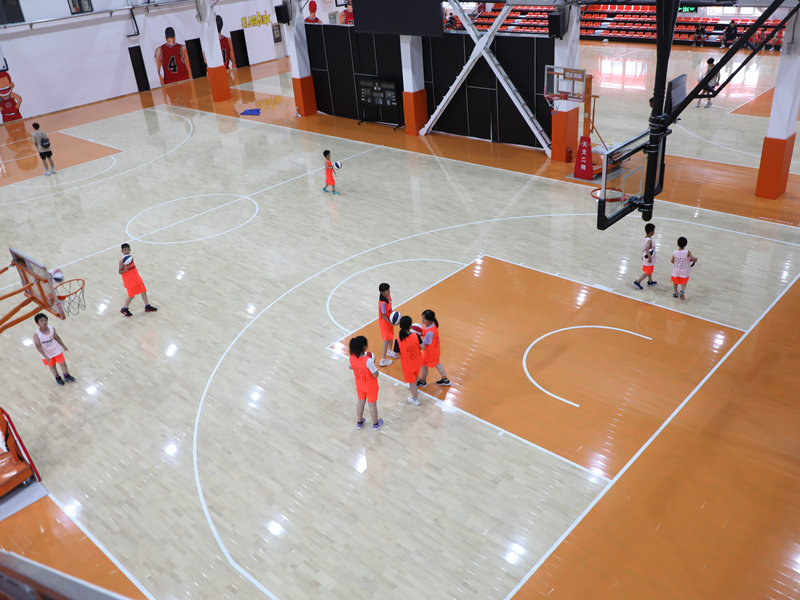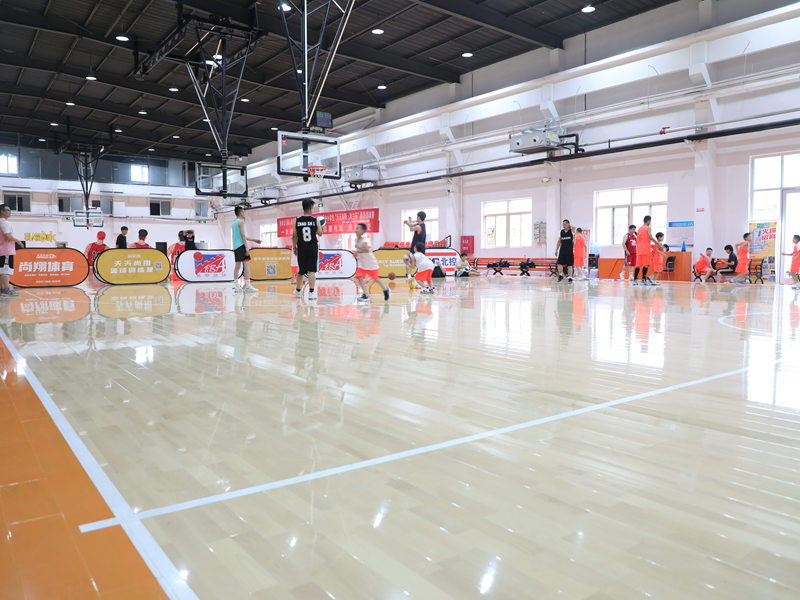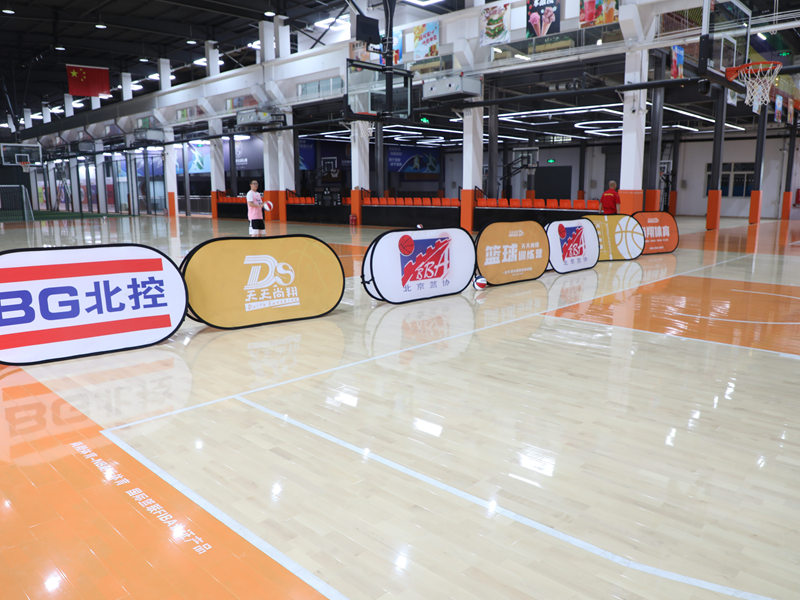
The future of portable indoor basketball court wooden flooring is bright, shaped by technological innovation, evolving user expectations, and a global basketball boom. What will the courts of tomorrow look like, and how will they differ from what is available today?
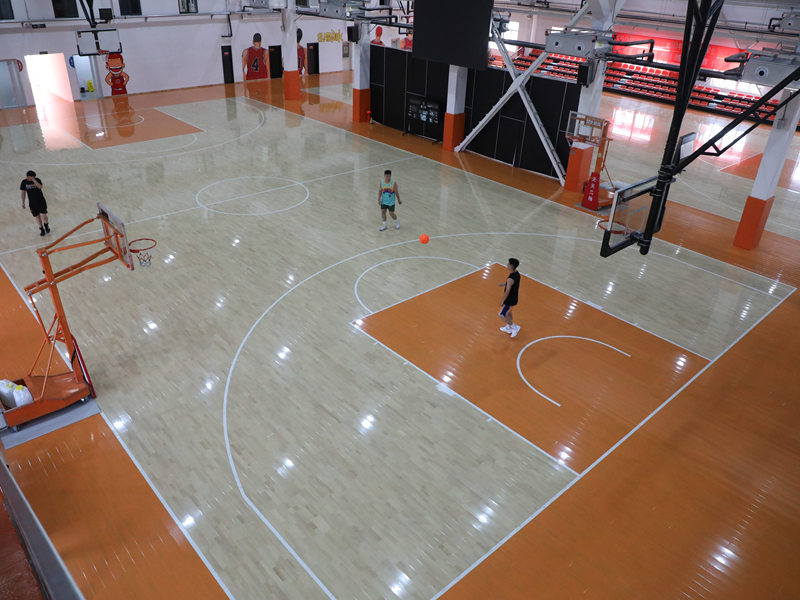
The most transformative trend is material innovation. Researchers are developing engineered wood composites that match the performance of maple at a fraction of the cost. Nano-coated finishes that are virtually indestructible are entering the 2030, it is likely that most major markets will require portable court products to meet minimum environmental standards — recycled content, zero formaldehyde, recyclable substructure, and carbon-neutral manufacturing. Manufacturers that do not adapt will be excluded from the market.
The residential market will explode. As the cost of quality portable systems continues to drop and the popularity of home basketball rises, we will see a wave of home installations. These systems will be even more user-friendly than today’s products — think click-together panels that a homeowner can install in a weekend with no tools.
Customization will reach new levels. Buyers will be able to choose not just the size and color of their court, but the performance characteristics — adjusting shock absorption, friction, and energy return to match their specific needs. A recreational league might choose a softer, safer surface. A competitive team might choose a harder, faster surface. The same base system will accommodate both.
The line between portable and permanent will continue to blur. As portable systems reach permanent-court quality, the question will no longer be “portable or permanent?” but rather “what level of performance do I need, and how much flexibility do I want?” Portable systems will not replace permanent courts for elite professional play, but for the vast majority of basketball played worldwide — in schools, community centers, corporate gyms, and homes — portable wooden flooring will be the standard.
The basketball boom in Asia, Africa, and Latin America will drive massive demand for affordable, high-quality portable courts. These regions have limited infrastructure but enormous enthusiasm for the sport. Portable courts are the fastest, most cost-effective way to bring basketball to millions of new players. The companies that win in these markets will be those that balance performance, price, and sustainability.
The future is not just portable — it is smart, sustainable, and accessible to everyone who wants to play.