The indoor sports wood flooring industry is evolving. New materials, new technologies, and new expectations are changing what is possible. Here are the trends that are shaping the future of the industry.
The first trend is sustainability. As environmental regulations tighten and consumers become more conscious, the demand for sustainably sourced and manufactured sports floors is growing. Manufacturers are investing in certified forestry, low-VOC finishes, and recyclable materials. The floor of the future will be not just high-performing, but also environmentally responsible.
The second trend is smart floors. Sensors embedded in the structural system can now monitor moisture content, temperature, and impact forces in real time. This data can be used to predict maintenance needs before problems occur, optimize climate control, and even provide performance analytics for athletes. Smart floors are still in the early stages, but they are moving from concept to reality.
The third trend is modular systems. Instead of installing a floor permanently, some manufacturers now offer modular panel systems that can be quickly assembled, disassembled, and relocated. This is ideal for temporary venues, pop-up courts, and facilities that need to reconfigure their space frequently. The panels lock together without adhesive, and the structural system is designed for rapid installation and removal.
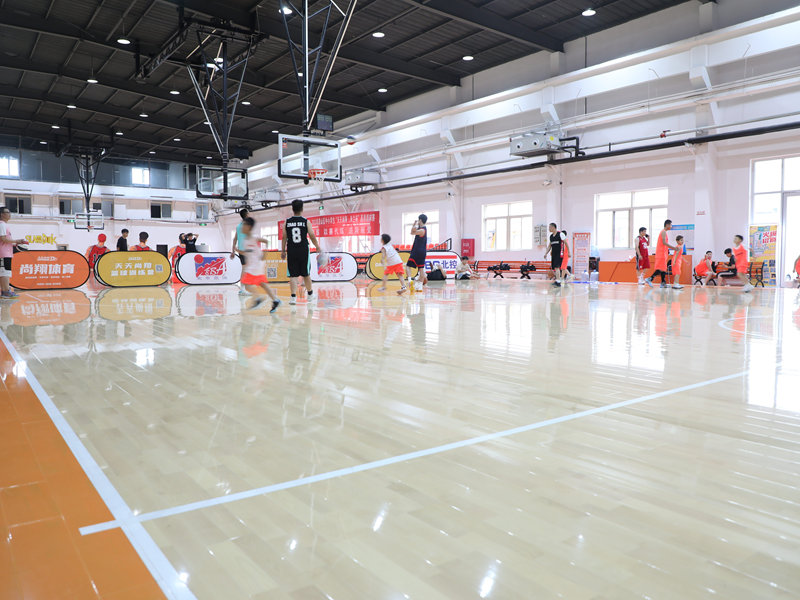
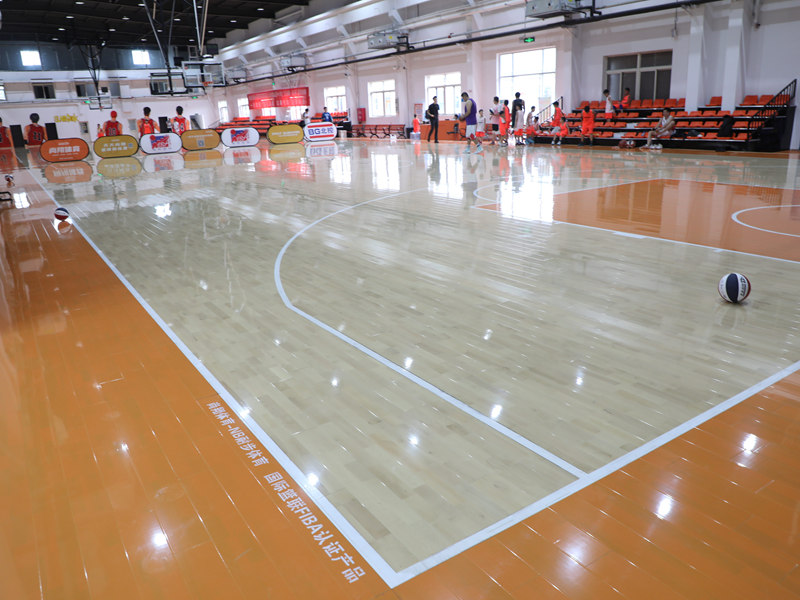
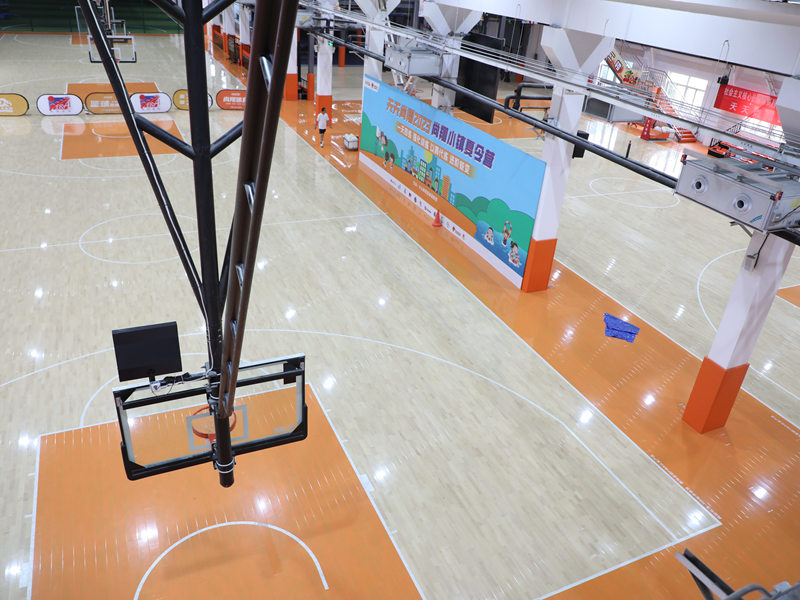
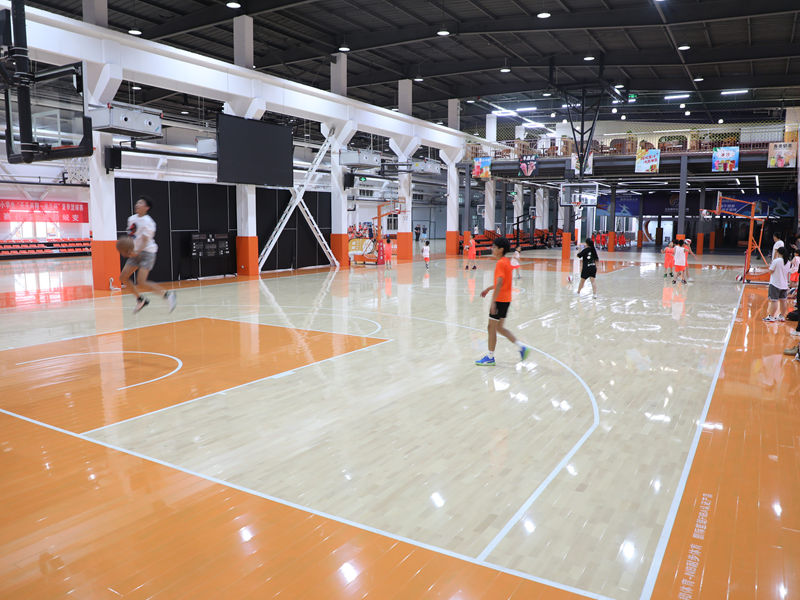
The fourth trend is customization. Advances in digital printing and finish technology allow for virtually unlimited color and pattern options. Facilities can now have floors that match their brand identity, their team colors, or their architectural design. This was not possible ten years ago, but it is becoming standard.
The fifth trend is performance optimization. Manufacturers are using computer modeling and finite element analysis to design structural systems that deliver precisely calibrated shock absorption and ball bounce for each specific sport. The days of one-size-fits-all floors are ending. The future is sport-specific, data-driven flooring.
The sixth trend is longevity. With better materials, better finishes, and better maintenance protocols, the lifespan of sports wood floors is increasing. Twenty years is becoming the new standard, up from fifteen. This reduces the total cost of ownership and the environmental impact of floor replacement.
The future of indoor sports wood flooring is bright. It is more sustainable, more intelligent, more customizable, and more performant than ever before. The facilities that invest in the latest technology today will have a competitive advantage for decades to come.