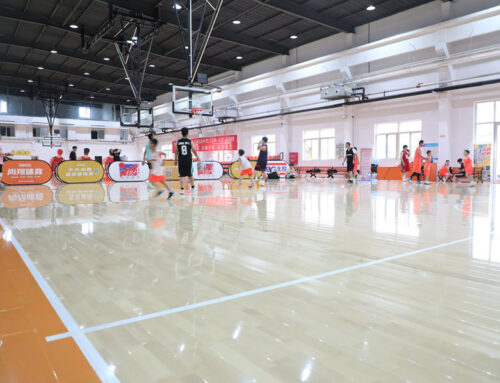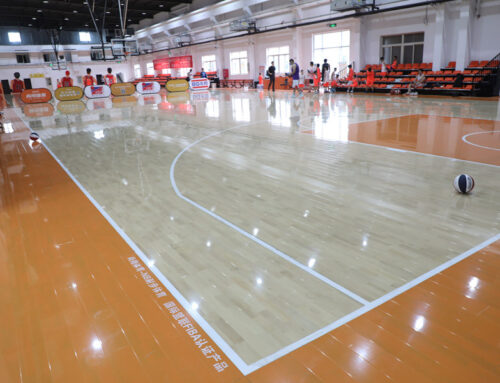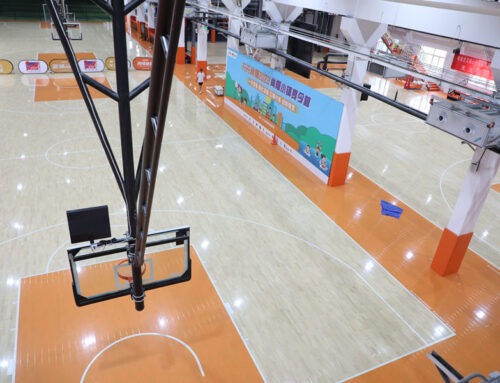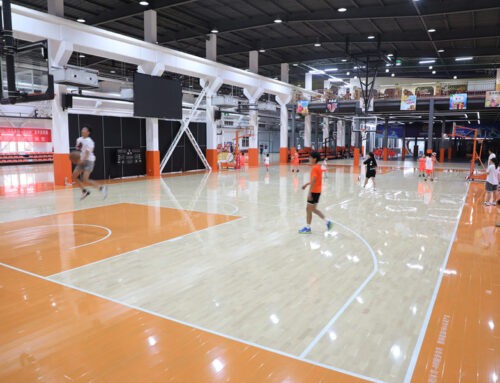
Buying indoor sports wood flooring is a big decision. The floor will be in your facility for 15 to 20 years. It will affect performance, safety, maintenance costs, and the overall experience of everyone who uses the space. Getting it right requires asking the right questions before you sign anything.
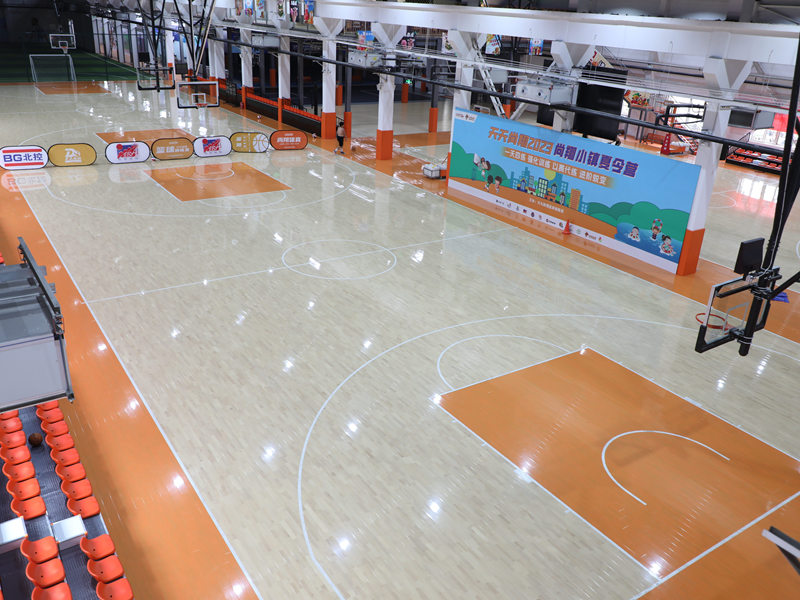
Here are the questions every buyer should ask:
What wood species do you recommend, and why? Do not accept a generic answer. A good supplier will explain why they recommend maple over oak, or birch over pine, based on your specific usage, sport, and budget. If they just say “maple is the best,” they are not listening to your needs.
What structural system do you use, and what is the spacing? Ask for the exact beam spacing and the type of cushion layer. A single-layer system is fine for light use. A double-layer system is necessary for professional use. If they cannot explain the difference, find another supplier.
What is the shock absorption rating, and what is the ball bounce rating? These two numbers tell you everything about performance. If the supplier cannot provide test data, walk away. These metrics are non-negotiable for any serious athletic facility.
What finish do you use, and how many coats? Ask about the type of finish, the number of coats, and the friction coefficient. A good finish should last three to five years before needing refinishing. If they use only two coats, it will not last.
What is the moisture content of the panels, and how is it controlled? The answer should be 8 to 13 percent, kiln-dried, with moisture testing before shipping. If they cannot tell you the moisture content, the wood is not properly processed.
What is your warranty, and what does it cover? A good warranty covers both materials and workmanship for at least three years, with a clear process for filing a claim. Be wary of warranties that exclude labor or that require you to use their maintenance products.
Who installs the floor, and are they your employees or subcontractors? You want to know that the people installing your floor are trained, experienced, and accountable. If they subcontract to unknown crews, you have no control over quality.
Can I see a completed project similar to mine? Ask for case studies, photos, and contact information for past clients. A supplier who is proud of their work will happily share it. One who hesitates has something to hide.
What is the total cost of ownership over 15 years? Do not just look at the purchase price. Ask for a breakdown that includes installation, maintenance, refinishing, and expected lifespan. This is the only way to compare options fairly.
What happens if something goes wrong after installation? The answer should be clear: they come back, they fix it, and they do not charge you for their mistake. If the response is vague or defensive, that is a red flag.
Asking these ten questions will separate serious suppliers from the rest. The floor you buy will define your facility for years. Make sure you buy it with your eyes open.