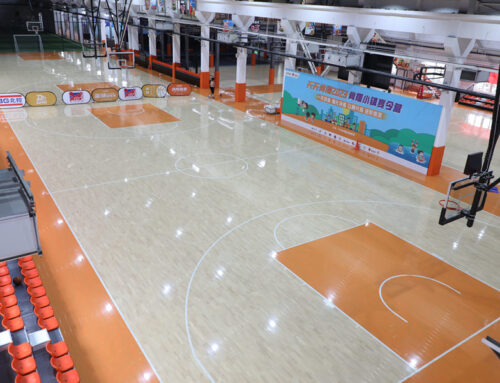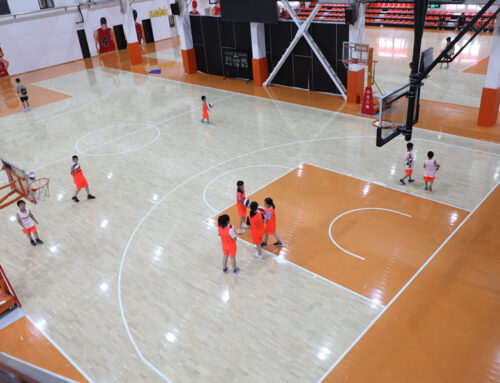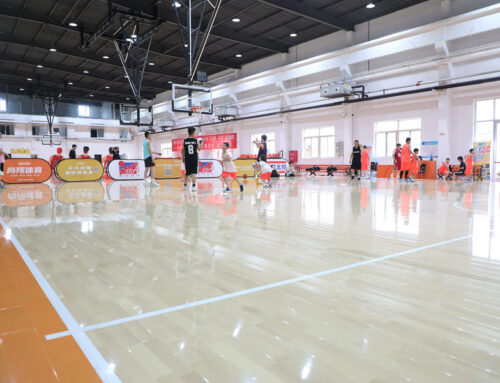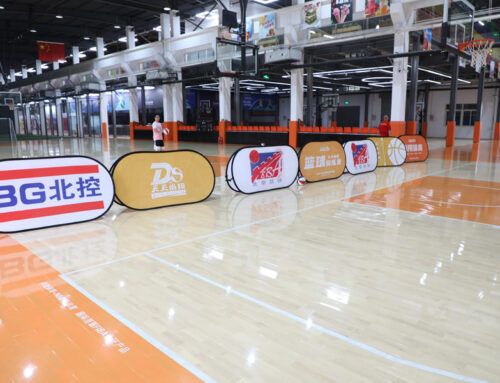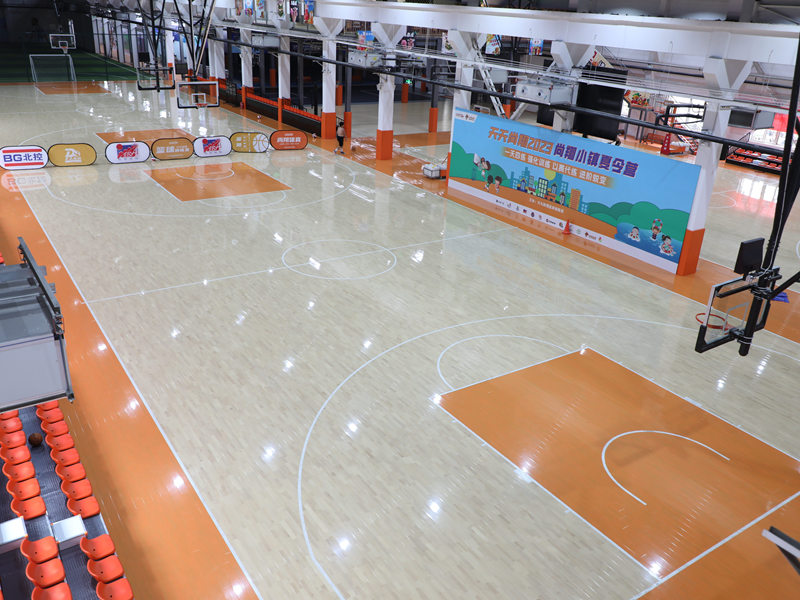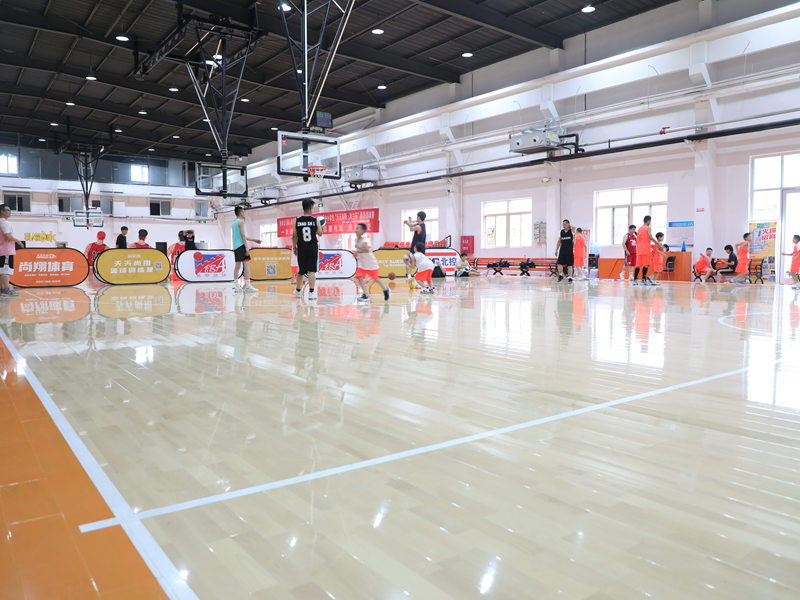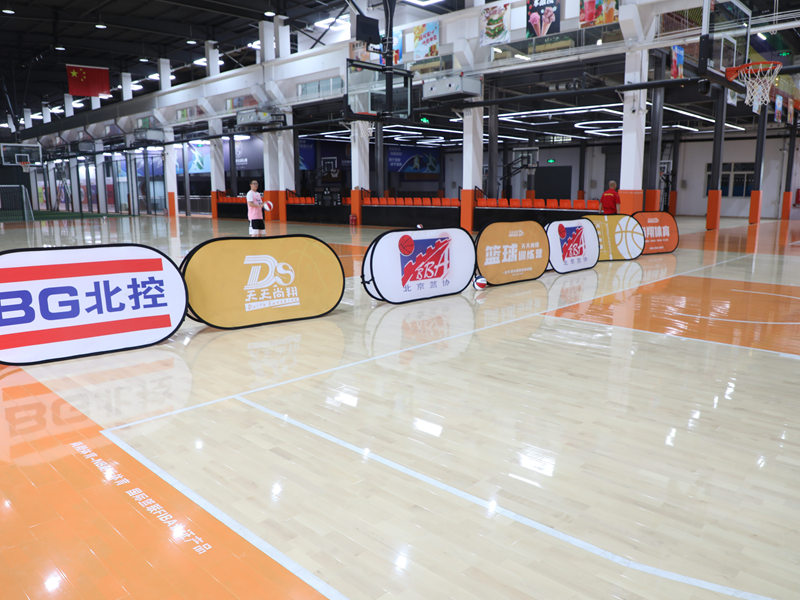
The choice of materials used for indoor basketball court flooring can have a significant impact on the environment. Traditional hardwood floors are often made from maple or oak, which are sustainable forest resources when harvested responsibly. However, the production and transportation of hardwood floors can also have a negative environmental impact, as it requires a large amount of energy and resources.
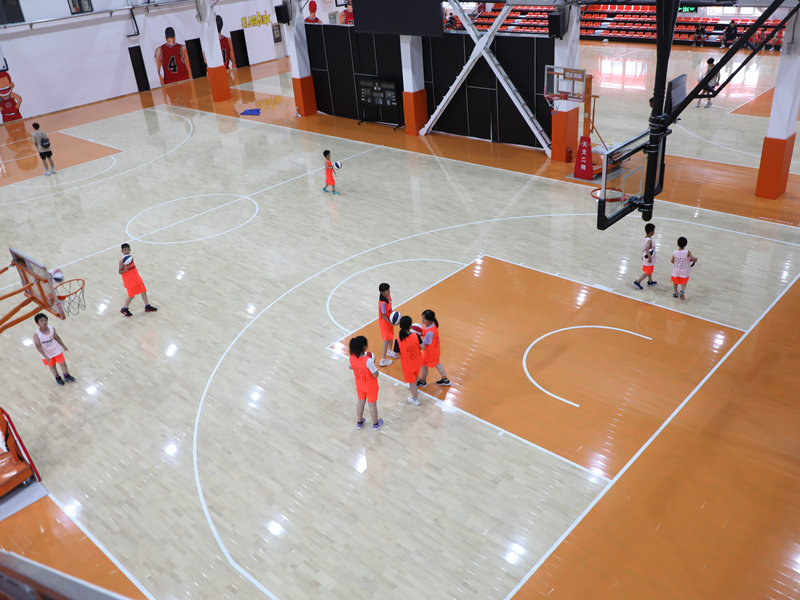
Synthetic flooring materials, such as vinyl and rubber, are often made from petroleum-based products, which are non-renewable resources. The production of these materials can also release harmful pollutants into the environment, contributing to air and water pollution. Additionally, synthetic floors may not be biodegradable, which means they can end up in landfills at the end of their useful life, taking up valuable space and potentially releasing harmful chemicals into the soil and groundwater.
Polyurethane floors, on the other hand, are often made from renewable resources and are more environmentally friendly than traditional synthetic floors. They are also durable and long-lasting, which means they do not need to be replaced as frequently, reducing waste and the demand for new materials.
When choosing indoor basketball court flooring materials, facilities should consider the environmental impact of each option and choose materials that are sustainable, renewable, and have a low carbon footprint. This can help to reduce the facility’s environmental impact and promote a more sustainable future for the sport of basketball.