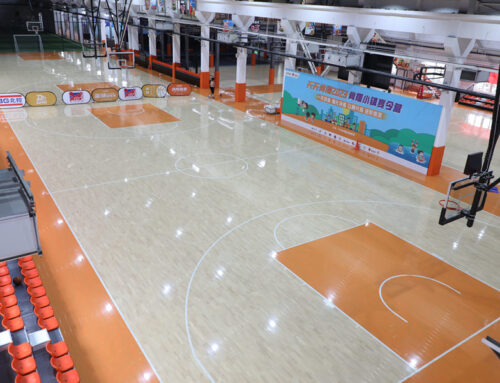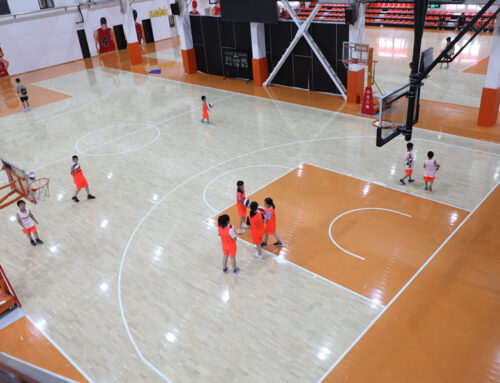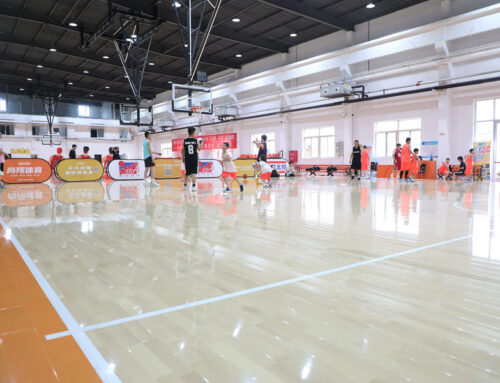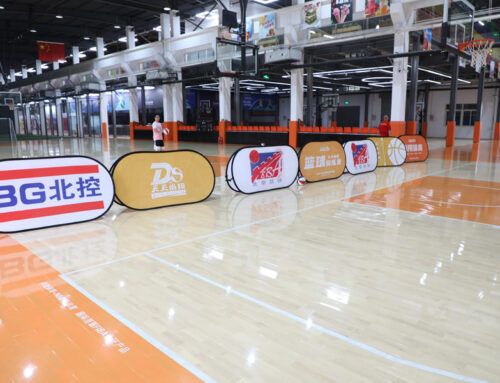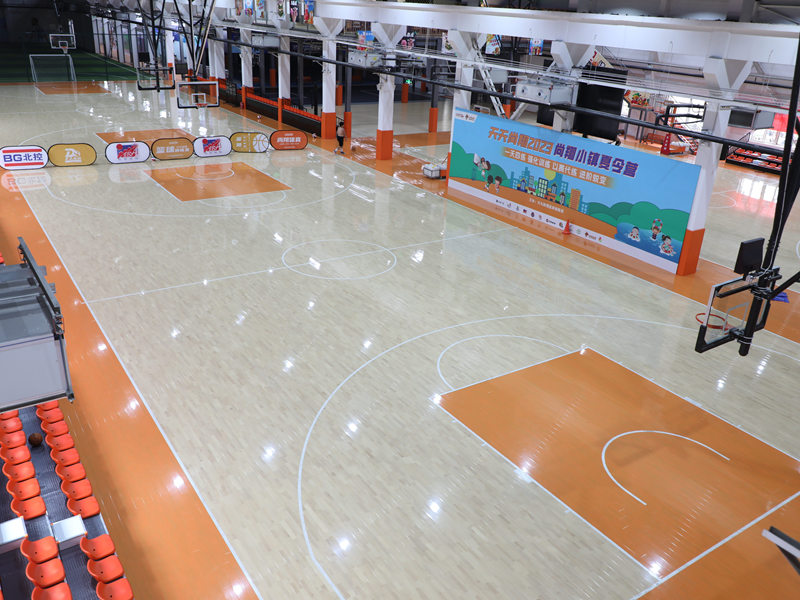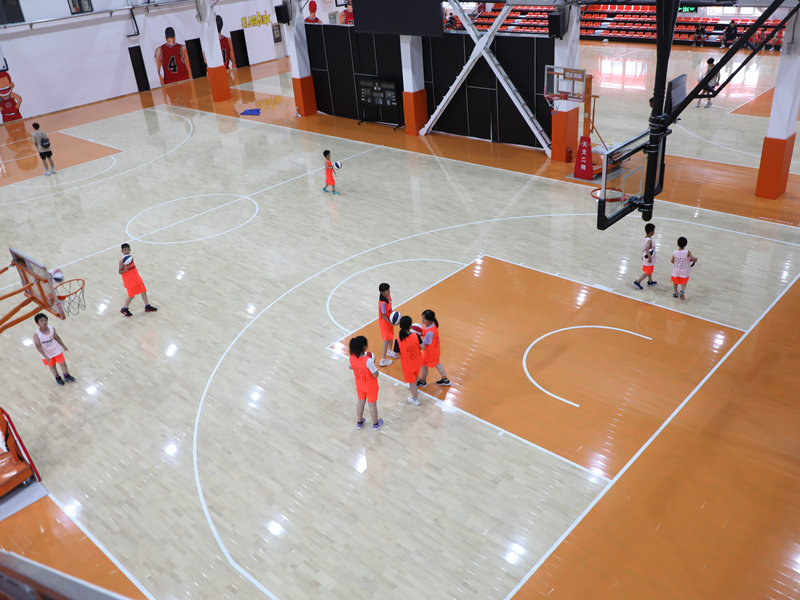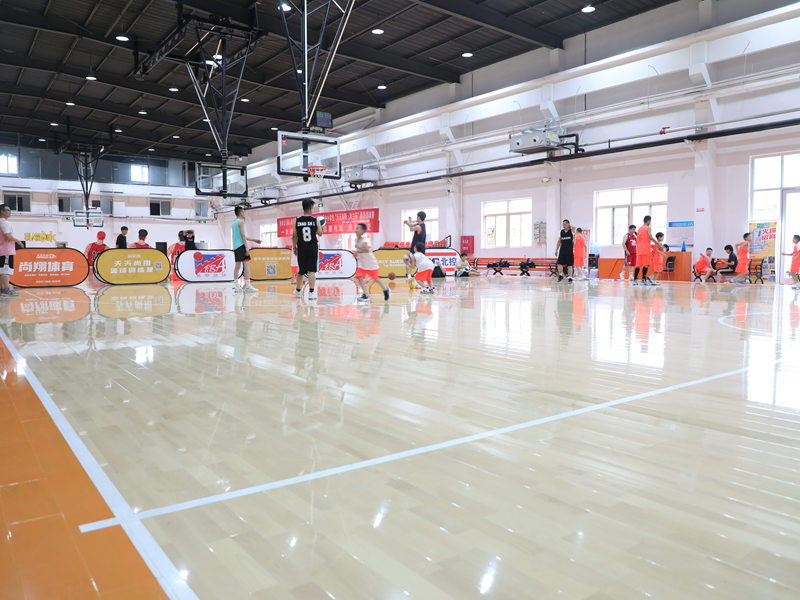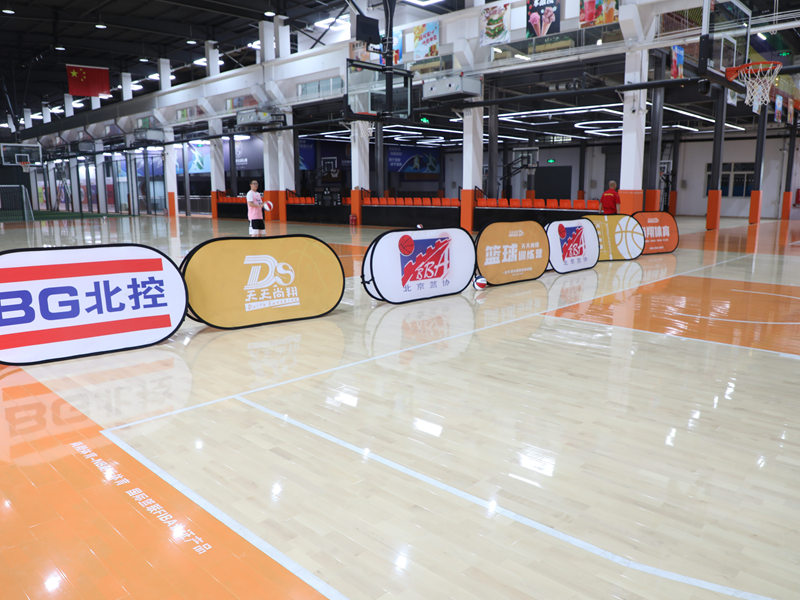
The cost of indoor basketball court flooring can vary significantly depending on the type of material used, the size of the court, and the complexity of the installation. Hardwood floors are generally the most expensive option, due to the high cost of the materials and the labor-intensive installation process. However, hardwood floors offer excellent durability, shock absorption, and ball bounce, making them a worthwhile investment for many professional and competitive basketball facilities.
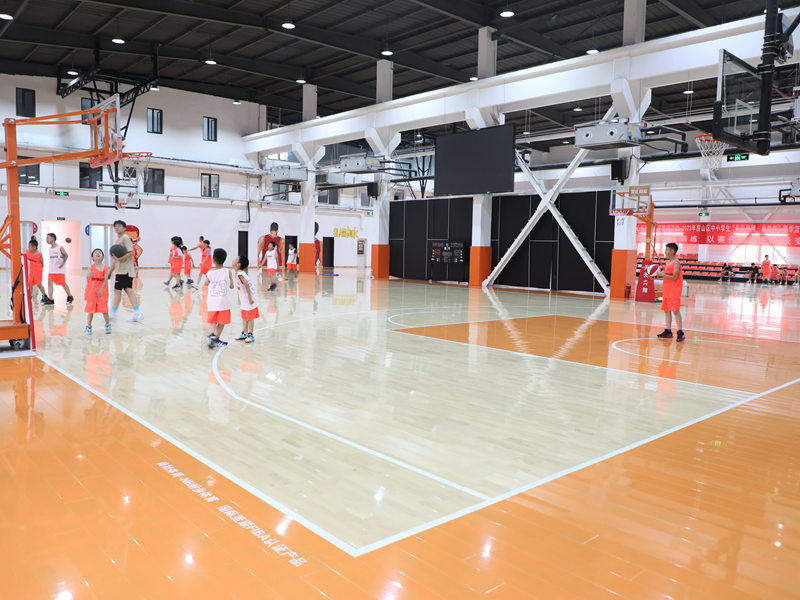
Synthetic floors are typically less expensive than hardwood floors, making them a more affordable option for recreational facilities or schools with limited budgets. However, synthetic floors may not offer the same level of performance or longevity as hardwood floors, which means they may need to be replaced more frequently, increasing the overall cost over time.
Polyurethane floors are a mid-range option in terms of cost, offering a balance between the durability of hardwood and the affordability of synthetic floors. They are also relatively easy to install and maintain, which can help to reduce the overall cost of ownership.
When budgeting for indoor basketball court flooring, facilities should consider not only the initial cost of the materials and installation but also the long-term costs associated with maintenance, repairs, and replacements. Choosing a high-quality, durable flooring material can help to minimize these costs over time and provide a better return on investment.