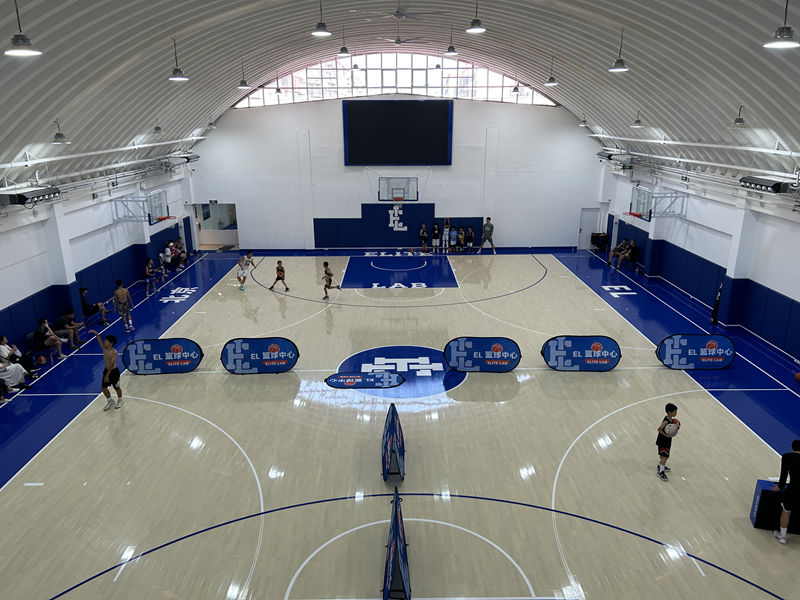
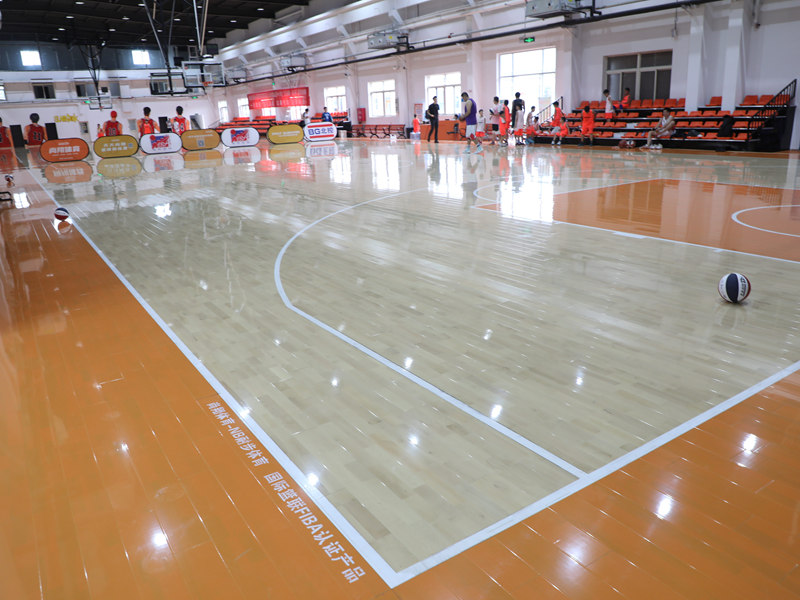
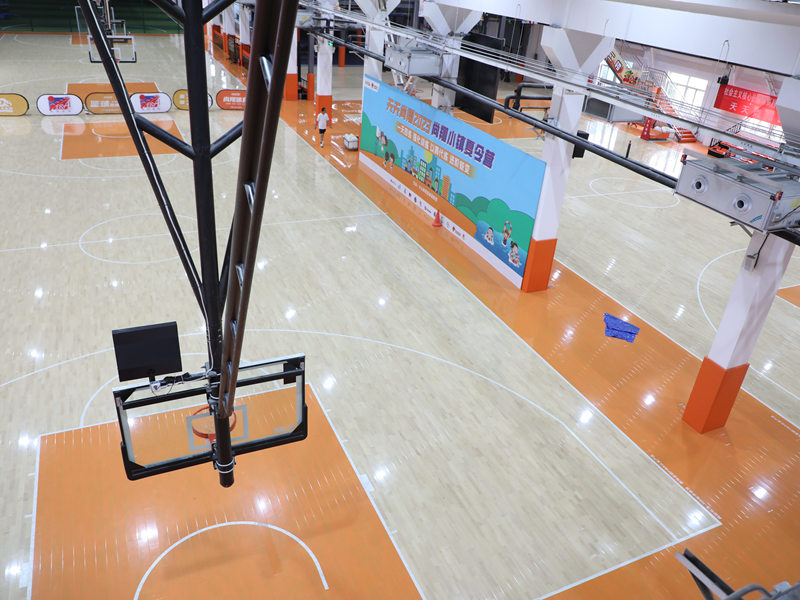
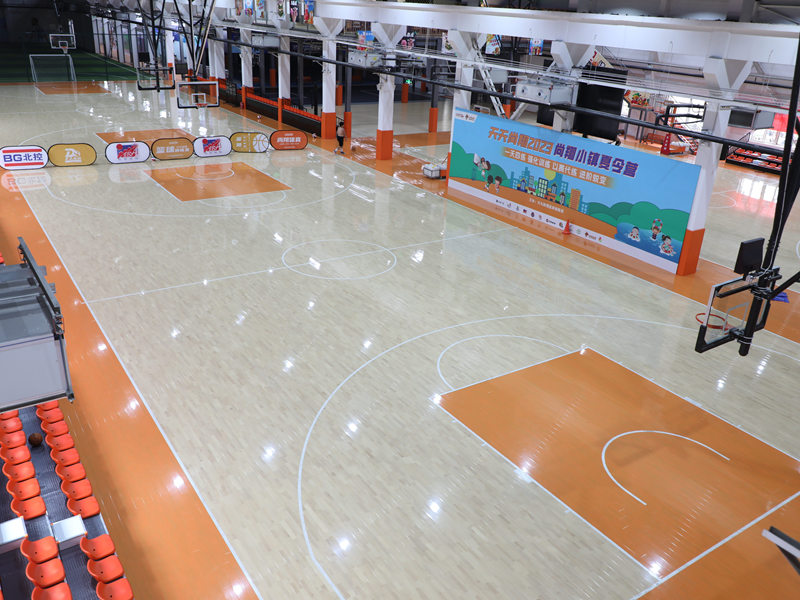
While the upfront cost of installing a high-quality indoor basketball court wood flooring system is higher than the cost of a basic synthetic athletic surface, its long-term economic value makes it the far more affordable choice for almost every venue over the full lifespan of the space. A basic synthetic court typically needs to be completely replaced after 10 to 15 years of regular use, which means that over a 50-year period, a venue would need to purchase and install 3 to 4 separate synthetic floors, paying for full demolition, disposal, and new installation each time. A properly installed and maintained wood court, by contrast, can easily last 50 years or more, with only periodic low-cost screening, recoating, and one or two full resurfacing projects along the way. When you add up all the costs over 50 years, the total cost of the wood floor ends up being less than half the total cost of repeatedly replacing synthetic floors, delivering massive long-term savings for schools, community centers, and sports facilities.

Beyond the direct cost savings from not needing to replace the floor constantly, indoor basketball court wood flooring also generates indirect economic value for a venue by making the space far more desirable for users. Players are willing to pay higher rental fees to play on a high-quality wood court, because they know it is safer, more fun, and better for their performance. Leagues and tournaments will prioritize booking venues with wood courts over venues with old synthetic surfaces, bringing in more revenue for the facility throughout the year. A venue with a well-known high-quality wood court can build a strong reputation in the local basketball community, becoming the go-to spot for all the most important local games, which drives even more consistent usage and revenue. For school gyms, a wood court also makes the facility a far more attractive space for other community events, which can be rented out for higher rates than a generic space with a basic floor.
The long-term durability of wood flooring also reduces hidden operational costs for venue operators. Synthetic floors often start to develop bubbles, tears, and delamination after just a few years of heavy use, which require expensive emergency repairs that disrupt the venue’s schedule and add unexpected costs. A well-built wood court has almost no unexpected failure points, so venue operators can plan their maintenance budget years in advance, with no surprise repair bills popping up out of nowhere. The reduced injury risk that wood flooring provides also saves money indirectly, by reducing the number of player injuries that could lead to liability claims against the venue. When you combine all these direct and indirect economic benefits, investing in high-quality indoor basketball court wood flooring is not just a purchase—it is a long-term financial decision that will pay dividends for multiple generations of users.