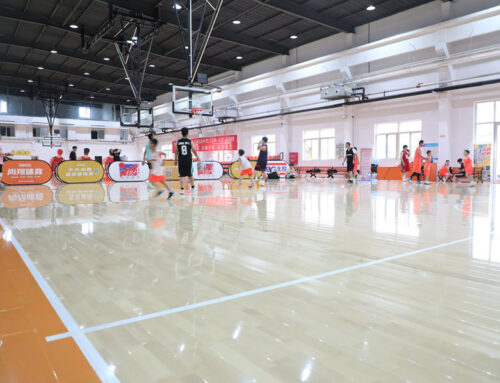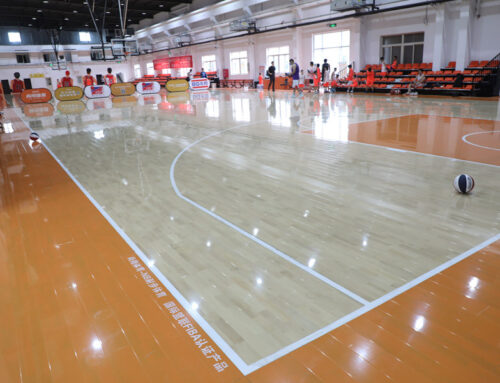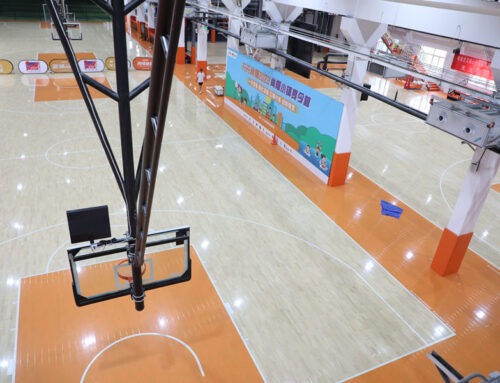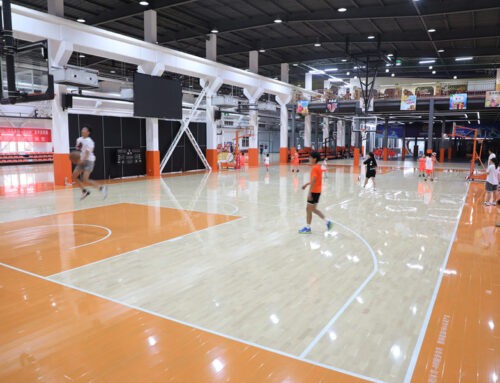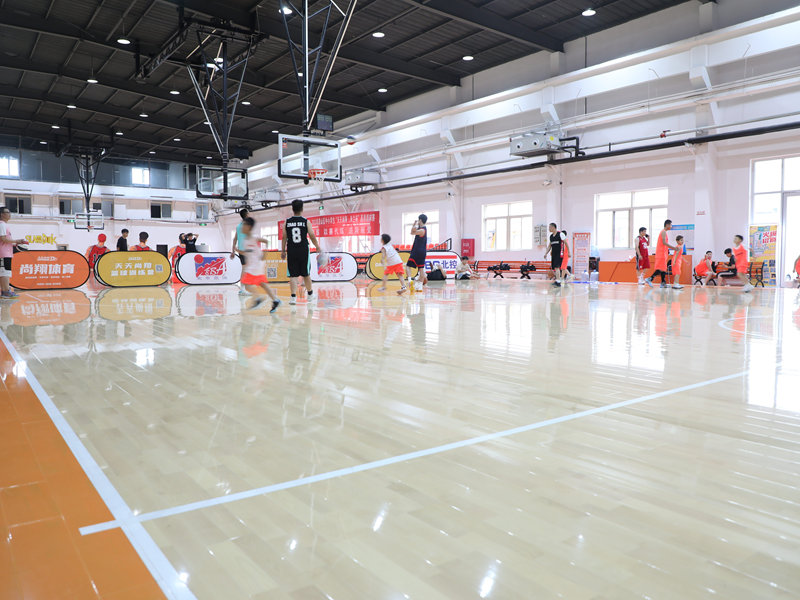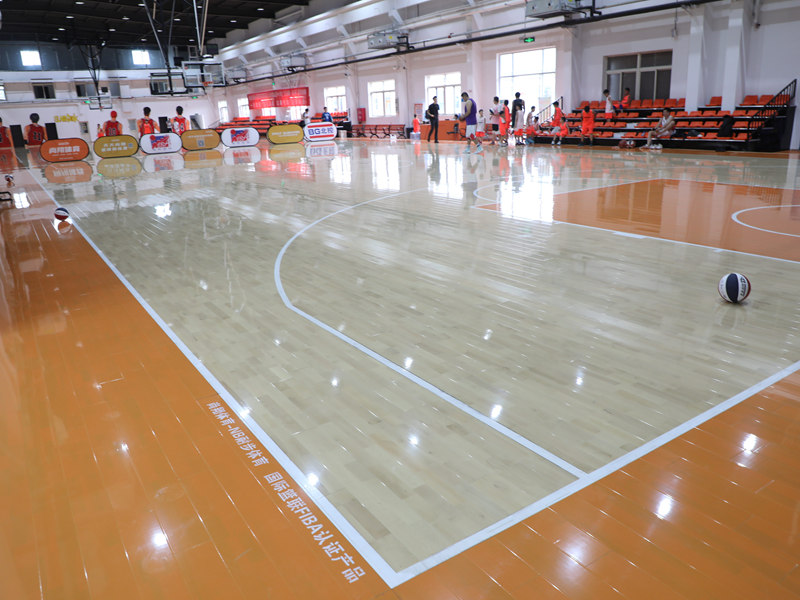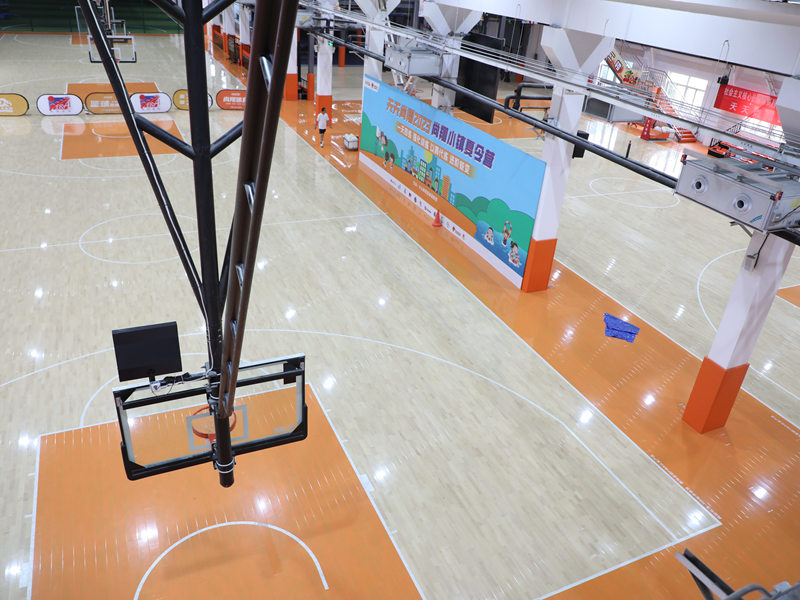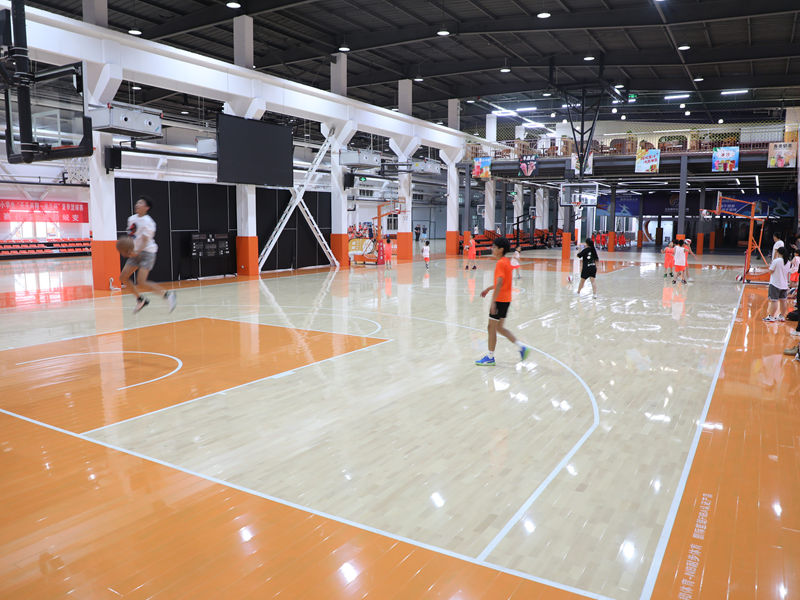
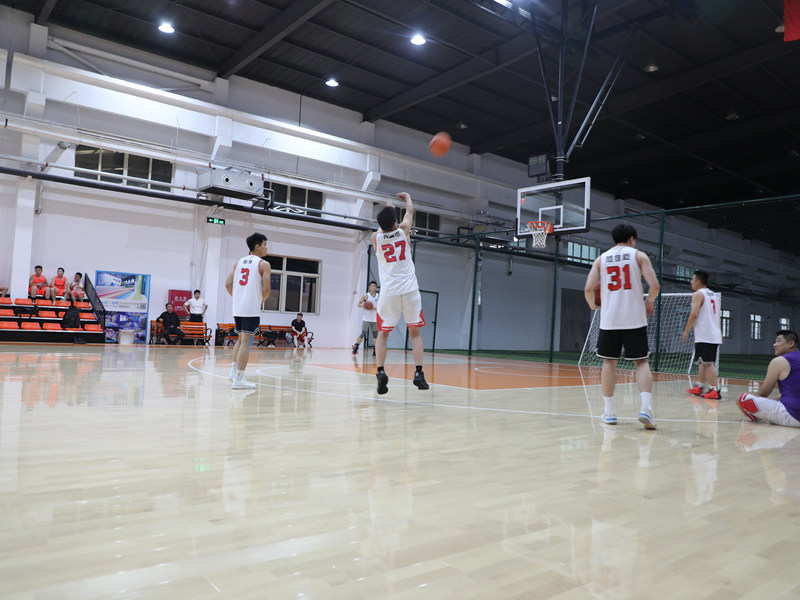
Indoor sports wooden flooring is one of the most important and often overlooked elements of any athletic facility. Whether it is a basketball court, a volleyball court, a badminton hall, or a multi-sport gymnasium, the flooring beneath athletes’ feet plays a critical role in their performance, safety, and enjoyment. Unlike synthetic surfaces or concrete floors, a properly designed and installed wooden sports floor provides the perfect combination of shock absorption, ball response, traction, and durability that athletes demand. This comprehensive guide will take you through everything you need to know about indoor sports wooden flooring, from the types of wood used to installation methods, maintenance practices, and the benefits that make it the gold standard for indoor athletic facilities.
Why Wood Is the Preferred Material for Indoor Sports
Wood has been the material of choice for indoor sports floors for over a century. The reason is simple: nothing else matches the performance characteristics that wood provides. When a basketball bounces on a hardwood floor, the energy is absorbed and returned in a predictable, consistent manner. This gives players reliable feedback and allows them to develop the muscle memory necessary for high-level play. The same principles apply to all indoor sports. Whether you are playing volleyball, badminton, handball, or even indoor soccer, a wooden floor provides the ball response, traction, and shock absorption that athletes need.
Beyond performance, wood provides a natural aesthetic that synthetic surfaces simply cannot replicate. The warm tones of hardwood create an inviting atmosphere that enhances the overall experience of playing sports indoors. Professional arenas around the world, from Madison Square Garden to the O2 Arena in London, are famous for their beautiful hardwood courts that have become icons of the sporting world.
Types of Indoor Sports Wooden Flooring
Not all indoor sports wooden flooring is the same. The type of wood, the construction, and the finish all vary depending on the sport and the level of play. The most common wood species used for indoor sports flooring are hard maple, red oak, and beech.
Hard maple, specifically sugar maple (Acer saccharum), is the industry standard for basketball and most professional indoor sports. It is extremely dense, with a Janka hardness rating of about 1,450 pounds-force, making it highly resistant to dents, scratches, and wear. The tight, uniform grain of hard maple provides a consistently smooth playing surface.
Red oak is a more affordable alternative that is commonly used in school gymnasiums, community centers, and recreational facilities. While not as hard as maple, red oak still provides good performance and can last for decades with proper maintenance. It has a more pronounced grain pattern and a warmer, reddish-brown color that many people find attractive.
Beech is another wood species that is sometimes used for indoor sports flooring, particularly in Europe. It is similar in hardness to maple and provides excellent ball response. However, it is less common in North America.
The Engineered System: More Than Just Wood
An indoor sports wooden floor is not simply a sheet of wood laid over a concrete slab. It is a carefully engineered system consisting of multiple layers, each designed to perform a specific function. The typical construction starts with a concrete subfloor, which provides the structural foundation. On top of the concrete, a moisture barrier is installed to prevent moisture from migrating up into the wood. Above the moisture barrier, a support layer made of plywood or oriented strand board (OSB) is fastened to the subfloor. This support layer provides structural stability and helps distribute the load evenly across the entire floor.
The final layer is the playing surface itself, consisting of individual wooden planks that are nailed down or glued down to the support layer. The planks are typically 20 to 22 millimeters thick for professional courts and 18 to 20 millimeters thick for recreational courts. The entire system is designed to flex slightly under the weight of players, providing shock absorption while maintaining a flat, consistent playing surface.
The Importance of the Finish
The finish applied to an indoor sports wooden floor is just as important as the wood itself. Most courts are finished with polyurethane or water-based polyurethane coatings that protect the wood from moisture, scuff marks, and wear. The finish also determines the gloss level of the floor, which affects both ball grip and traction.
A matte or semi-gloss finish is generally preferred for indoor sports because it provides the optimal balance of traction for players’ shoes while still allowing the ball to bounce predictably. High-gloss finishes can be slippery, especially when the floor is wet with sweat, while very matte finishes can create too much friction, making it difficult for players to move quickly.
Benefits of Indoor Sports Wooden Flooring
The benefits of indoor sports wooden flooring are numerous. First, it provides superior shock absorption, which protects athletes’ joints and reduces the risk of injury. Studies have shown that playing on hardwood floors reduces the impact on knees, ankles, and hips compared to playing on rigid surfaces like concrete.
Second, it provides consistent ball response. The bounce of a ball on a hardwood floor is predictable and uniform, which is essential for athletes who need to anticipate the ball’s trajectory. This consistency is particularly important in sports like basketball, volleyball, and badminton.
Third, it offers excellent traction. Players can stop, start, and change direction quickly without slipping, thanks to the carefully calibrated finish on the floor. This is critical for sports that involve rapid lateral movements.
Fourth, it is durable. A quality hardwood sports floor can last for 30 to 50 years or more with proper maintenance. This is far longer than synthetic surfaces, which typically need to be replaced every 5 to 10 years.
Fifth, it is aesthetically pleasing. The natural beauty of wood creates an inviting atmosphere that enhances the overall experience of playing sports indoors.
In conclusion, indoor sports wooden flooring is the undisputed best choice for any athletic facility. It delivers unmatched performance, durability, and aesthetics, making it the perfect surface for athletes at every level. Whether you are building a new facility or renovating an existing one, investing in quality indoor sports wooden flooring is an investment in the quality of the sport itself.