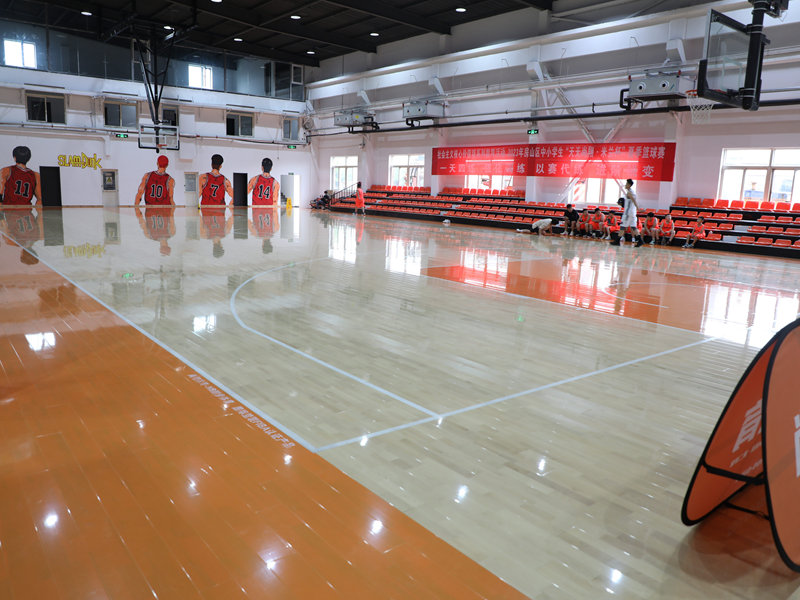
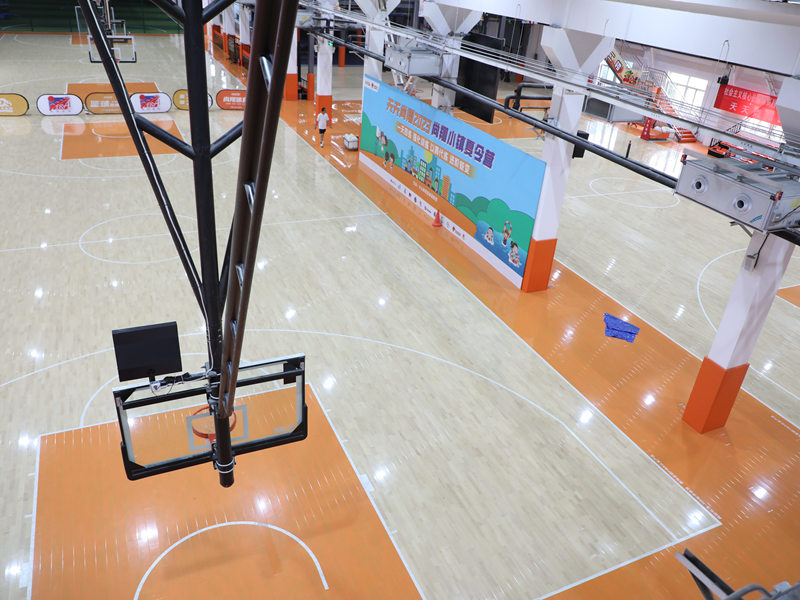
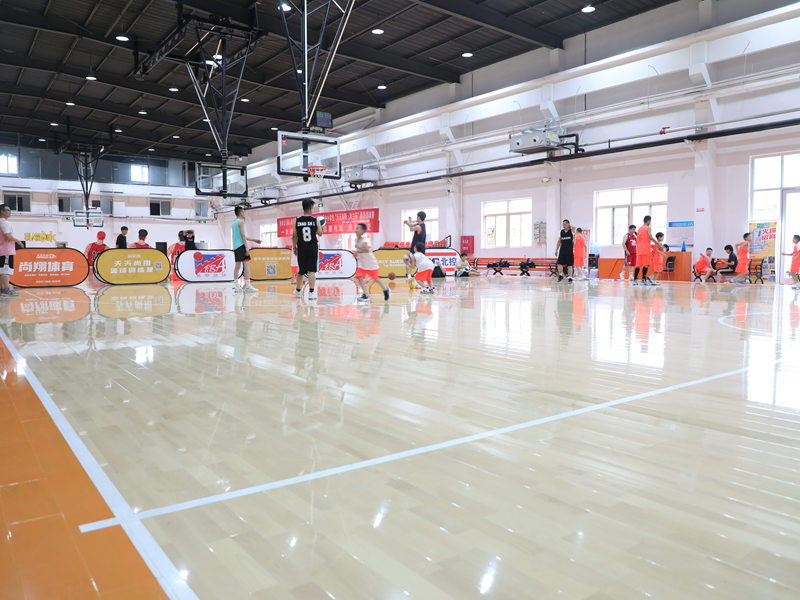
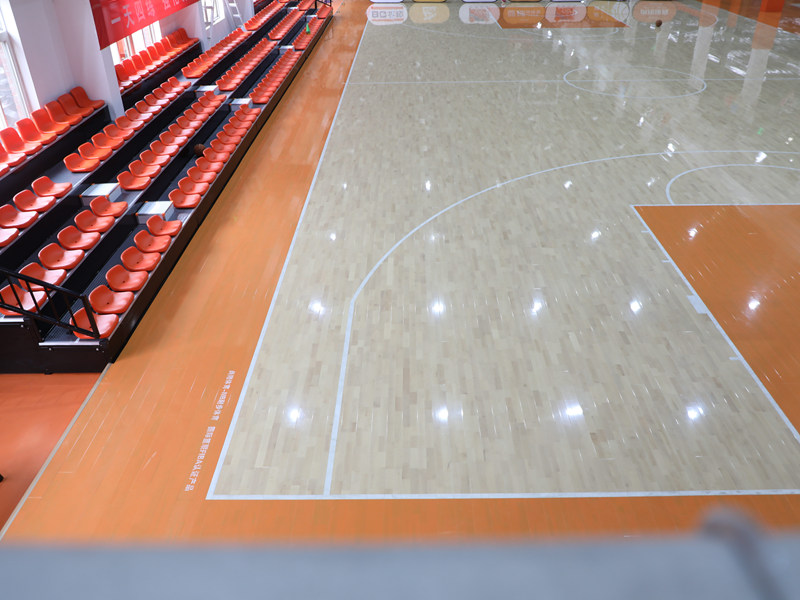
Every athlete knows that the surface they play on can make a dramatic difference in their performance. The bounce of the ball, the grip of their shoes, the comfort of their joints — all of these factors are directly influenced by the flooring. For indoor sports, wooden flooring is the surface that consistently delivers the best results. In this article, we will explore in detail how indoor sports wooden flooring enhances athletic performance and why it is the preferred choice for athletes at every level, from recreational players to professional professionals.

The Science of Ball Response
One of the most critical factors in any indoor sport is the way the ball behaves when it hits the floor. In basketball, the ball must bounce at a consistent height so that players can anticipate its trajectory and react accordingly. In volleyball, the ball must respond predictably when it hits the court. In badminton, the shuttlecock must land and stop in a controlled manner. Wooden floors excel in all of these areas.
The reason lies in the physical properties of hardwood. Hard maple, the wood most commonly used in professional indoor sports floors, has a unique combination of density and elasticity that allows it to absorb energy when a ball hits the floor and then return that energy in a controlled manner. This is known as the coefficient of restitution, and hardwood floors have one of the highest and most consistent coefficients of any surface material.
This consistency is critical for athletic performance. When a player knows that the ball will bounce the same way every time, they can develop muscle memory and execute plays with precision. On surfaces like concrete or low-quality synthetic floors, the bounce can be erratic and unpredictable, forcing players to constantly adjust and making it difficult to develop proper technique.
Shock Absorption and Injury Prevention
Indoor sports are physically demanding. Athletes are constantly running, jumping, landing, and changing direction, all of which put tremendous stress on their joints. The surface they play on plays a huge role in how much of that stress is absorbed by the floor versus transmitted to the body.
Wooden sports floors, when properly installed with a resilient subfloor system, provide excellent shock absorption. The engineered system of layers — concrete subfloor, moisture barrier, support layer, and playing surface — works together to absorb and distribute the impact forces generated by athletes. This reduces the stress on knees, ankles, hips, and lower backs, which are the most common sites of sports injuries.
Studies conducted by sports medicine researchers have consistently shown that playing on hardwood floors reduces the risk of certain injuries compared to playing on rigid surfaces. The shock absorption provided by a quality wooden floor can reduce the impact on joints by up to 20 to 30 percent compared to concrete. This is a significant difference that can extend an athlete’s career and improve their quality of life.
Traction and Footwork
The ability to stop, start, and change direction quickly is essential in almost every indoor sport. Whether you are a basketball player making a crossover dribble, a volleyball player diving for a ball, or a badminton player lunging for a shot, you need a floor that provides reliable traction.
Indoor sports wooden flooring provides the ideal balance of traction. The finish on the floor is designed to offer enough grip for players to move confidently while still allowing their shoes to slide slightly when needed. This is why you see players performing sharp cuts and quick pivots on hardwood courts without losing their footing.
The traction provided by wooden floors is also consistent across the entire playing surface. Unlike some synthetic surfaces, which can become slippery in certain areas due to wear or moisture, a well-maintained hardwood floor provides uniform traction from baseline to baseline.
Temperature and Comfort
One often-overlooked benefit of wooden sports flooring is temperature regulation. Wood is a natural insulator, which means it does not feel as cold as concrete or synthetic surfaces. In indoor facilities, where the floor can sometimes feel cold and hard, a wooden floor provides a more comfortable playing experience. This is especially important in the winter months, when athletes may be wearing shoes with thin soles.
Additionally, wooden floors do not retain heat the way some synthetic surfaces do. This means the playing surface stays at a comfortable temperature even during intense, high-energy games.
Mental Performance and Confidence
Athletic performance is not just physical — it is also mental. The surface a player is playing on can have a significant impact on their confidence and focus. Professional athletes consistently report that they perform better on hardwood floors because they trust the surface. They know how the ball will bounce, they know how their shoes will grip, and they know that the floor will support their movements.
This mental confidence translates directly into better performance. When a player is not worrying about the surface, they can focus entirely on the game. This is why professional leagues around the world mandate wooden floors for their official games. They understand that the floor is not just a surface — it is a performance-enhancing tool.
The Professional Advantage
The performance advantages of indoor sports wooden flooring are most evident at the professional level. The NBA, NCAA, FIBA, and every major professional volleyball and badminton league uses wooden floors for their official games. These are not just any wooden floors — they are the finest examples of sports flooring in the world, engineered to meet exacting standards of performance.
Professional athletes train on these floors every day, and their performance is a testament to the superiority of wooden surfaces. The consistency, shock absorption, traction, and ball response provided by these floors are simply unmatched by any other surface material.
For recreational and amateur athletes, the benefits are just as real, even if they are less quantifiable. A good wooden floor makes the game more enjoyable, reduces the risk of injury, and allows players to perform at their best.
In conclusion, indoor sports wooden flooring is not just a luxury — it is a necessity for any serious athletic facility. It enhances every aspect of athletic performance, from ball response to shock absorption to mental confidence. If you want to give your athletes the best possible playing surface, there is no substitute for quality indoor sports wooden flooring.