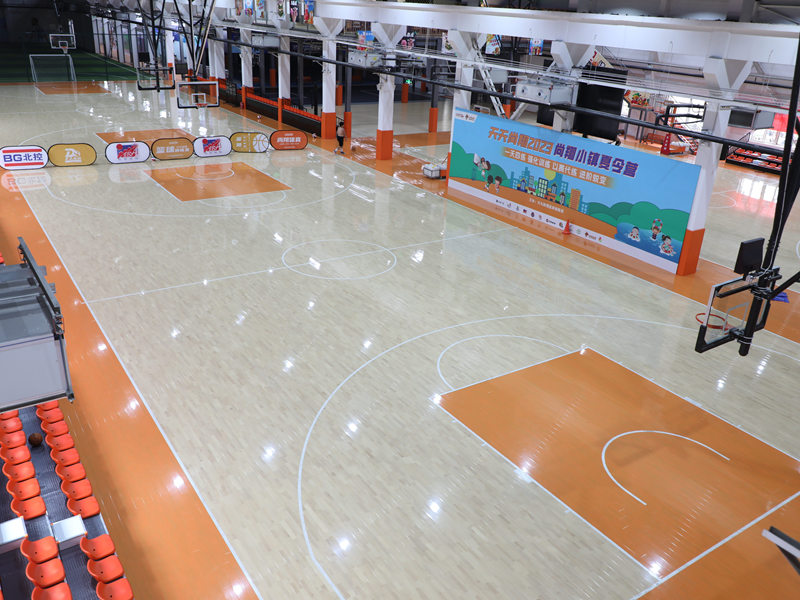
Introduction: Why Indoor Sports Flooring Matters
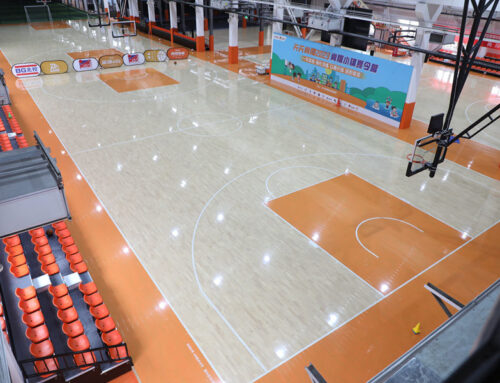
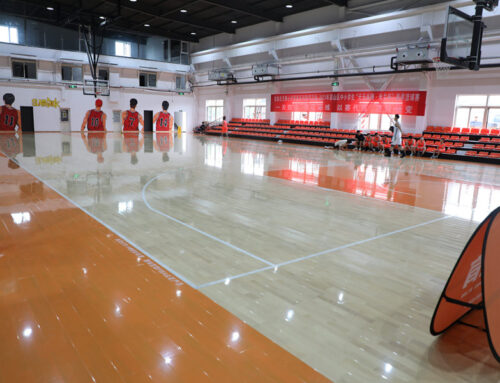
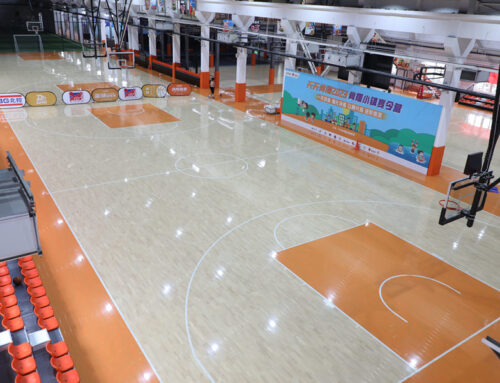
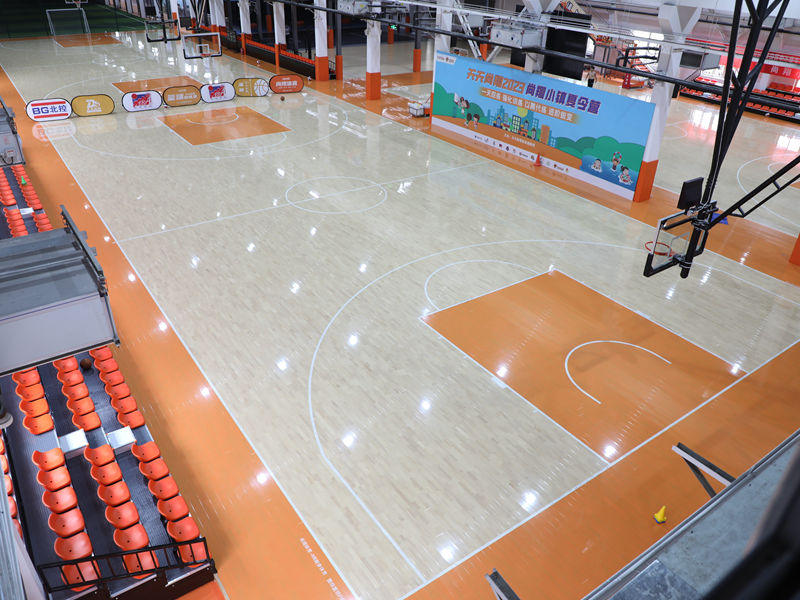
Indoor sports venues — from professional basketball arenas to community recreation centers — demand flooring solutions that go far beyond aesthetics. The right flooring system directly impacts athletic performance, injury prevention, spectator experience, and long-term facility economics. Among the various options available, indoor sports wooden flooring has emerged as the gold standard for decades, and for good reason.
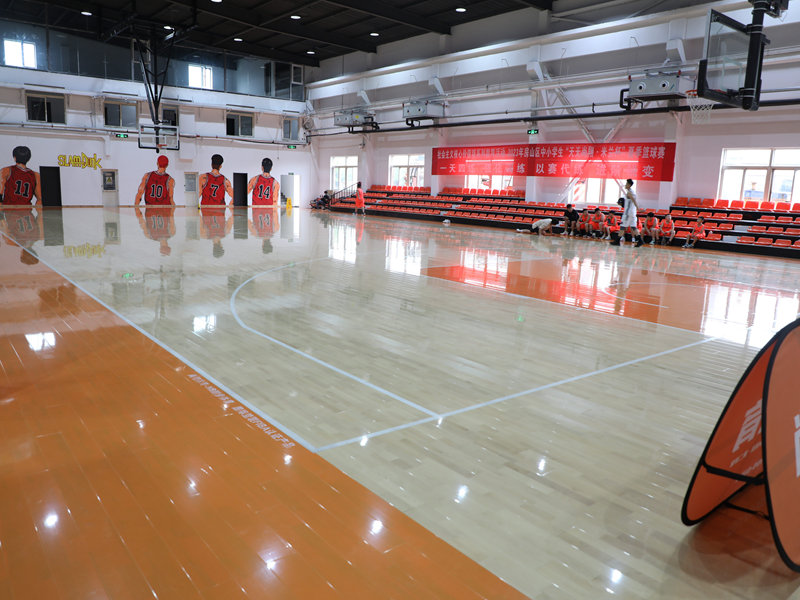
Wooden floors in sports facilities are engineered to handle intense physical demands. They must absorb impact, provide consistent ball rebound, offer reliable traction, and maintain structural integrity under heavy foot traffic and equipment loads. Unlike residential hardwood or commercial laminate, sports-grade wood flooring is purpose-built from the ground up to meet the exacting standards set by governing bodies and facility operators alike.
What Exactly Is Indoor Sports Wooden Flooring?
At its core, indoor sports wooden flooring is a multi-layered system. It typically consists of a solid hardwood surface layer (usually maple, oak, or ash), a subfloor system made of plywood or engineered wood panels, and often includes additional components such as shock pads, moisture barriers, and fastening systems. Each layer serves a specific function, and together they create a surface that performs at the highest level.
The top layer — the part athletes actually interact with — is usually 20mm to 26mm thick solid hardwood. Maple is the most popular choice due to its hardness, uniformity, and light color that provides excellent visual contrast for ball games. European maple (Acer pseudoplatanus) and North American hard maple (Acer saccharum) are the two primary species used, with the latter being slightly harder and more commonly selected for professional installations.
Beneath the surface lies the subfloor structure. This can vary significantly depending on the installation method. Some systems use a floating floor approach where panels rest on a cushioned underlayment. Others employ a nailed-down or screwed-down method where the panels are directly fastened to a wooden or concrete base. The subfloor thickness typically ranges from 18mm to 24mm, depending on the joist spacing and load requirements.
The Evolution of Sports Wooden Flooring
The history of indoor sports wooden flooring is intertwined with the development of organized sports themselves. Early gymnasiums in the late 19th century used simple wood planks nailed directly to joists. These floors were functional but far from ideal — they were uneven, prone to warping, and offered little in the way of shock absorption.
The real transformation began in the mid-20th century when engineers and sports scientists began studying the relationship between flooring and athletic performance. Research revealed that floor stiffness, surface friction, and impact absorption all played critical roles in both performance outcomes and injury rates. This led to the development of engineered systems that could be tuned to specific sports requirements.
By the 1970s and 1980s, the modular panel system had become the dominant approach. Pre-finished hardwood panels, manufactured under controlled conditions, could be installed quickly and replaced individually if damaged. This modularity revolutionized facility management and made wooden flooring more accessible to a wider range of venues.
Today, modern sports wooden flooring systems incorporate advanced materials science. Shock absorption pads made from polymer foams or rubber compounds can be precisely calibrated. Moisture management systems prevent the warping and cupping that plagued earlier installations. And surface finishes have evolved to provide consistent friction without excessive maintenance.
Key Performance Characteristics
Every indoor sports wooden floor must meet several critical performance criteria:
- Shock Absorption: The floor must reduce the impact forces transmitted to an athlete’s joints. Standards typically require a minimum shock absorption value (measured as a percentage of force reduction), with higher values being preferable for sports involving jumping.
- Ball Rebound: For ball sports, the floor must provide consistent and predictable ball bounce. Too much energy absorption results in a “dead” floor where the ball doesn’t bounce properly. Too little absorption creates a harsh surface. The ideal range is typically 90-96% ball rebound compared to a concrete reference surface.
- Surface Friction: The floor must provide enough grip to prevent slipping but not so much that it causes abrasion injuries or impedes quick directional changes. Friction is measured using specialized tribometers, and different sports have different optimal ranges.
- Flatness and Uniformity: The playing surface must be extremely flat — deviations of more than 2mm over a 2-meter span are generally unacceptable. This ensures consistent ball behavior and reduces trip hazards.
- Durability: Sports floors endure enormous wear. The surface layer must resist scuffing, denting, and discoloration. Professional-grade finishes can last 10-15 years before refinishing is needed, and the solid hardwood can be sanded and refinished multiple times over its lifespan.
Common Applications
Indoor sports wooden flooring serves a wide range of applications:
- Basketball courts: The most iconic application. NBA, FIBA, and NCAA courts all use hardwood. The standard panel width and layout create the familiar striped pattern.
- Volleyball courts: Both indoor and beach-style indoor volleyball uses wooden flooring. The surface provides excellent traction for lateral movements.
- Badminton and tennis (indoor): While many indoor tennis facilities use synthetic surfaces, premium venues opt for wood for its superior aesthetics and performance.
- Multi-purpose gymnasiums: Schools, community centers, and corporate wellness facilities often install wood floors that can accommodate basketball, volleyball, badminton, and even dance or martial arts.
- Fitness and training centers: High-end personal training facilities and athletic performance centers increasingly choose wood flooring for its premium feel and durability.
- Esports and event spaces: A growing trend sees wooden floors installed in arenas that host competitive gaming, providing a professional atmosphere and excellent acoustics.
Installation Considerations
Installing indoor sports wooden flooring is a specialized process that requires experienced professionals. Key considerations include:
- Subfloor preparation: The base must be level, clean, dry, and structurally sound. Concrete subfloors require moisture testing (typically using calcium chloride or relative humidity probes). Wooden subfloors must be checked for deflection and stability.
- Acclimatization: Wood is hygroscopic — it absorbs and releases moisture based on ambient conditions. Flooring panels must be acclimatized to the installation environment for a minimum of 48-72 hours before installation.
- Moisture barriers: A polyethylene vapor barrier (typically 0.2mm thick) is essential between the subfloor and the flooring system to prevent moisture migration.
- Expansion gaps: Wood expands and contracts with temperature and humidity changes. Proper expansion gaps (typically 8-12mm around the perimeter) must be maintained and covered with appropriate trim.
- Fastening method: The choice between floating, glued, nailed, or screwed installation depends on the subfloor type, usage requirements, and local building codes.
Maintenance and Longevity
One of the greatest advantages of indoor sports wooden flooring is its longevity. With proper maintenance, a well-installed sports wood floor can last 30-50 years or more. The solid hardwood surface can be sanded and refinished 4-6 times, effectively renewing the playing surface without replacing the entire system.
Routine maintenance includes:
- Daily dust mopping or vacuuming with a soft brush attachment
- Regular damp mopping with pH-neutral cleaners (avoiding excessive water)
- Periodic application of sports-specific floor polish or finish
- Prompt cleanup of spills to prevent moisture damage
- Annual professional inspection and maintenance
Cost Considerations
Indoor sports wooden flooring represents a significant investment. Installed costs typically range from 80to200 per square meter (or 7to18 per square foot), depending on the wood species, system complexity, subfloor conditions, and geographic location. While this is substantially more than synthetic alternatives, the lifecycle cost is often lower due to the floor’s durability, refinishing capability, and minimal replacement needs.
When evaluating cost, facility operators should consider:
- Initial installation cost
- Annual maintenance cost
- Refinishing cost (every 8-12 years)
- Expected lifespan
- Replacement cost of alternative flooring over the same period
- Intangible benefits: athlete satisfaction, facility prestige, tenant retention
Environmental and Sustainability Aspects
Wood is a renewable resource, and responsibly sourced hardwood flooring can be an environmentally responsible choice. Look for certifications from organizations such as the Forest Stewardship Council (FSC) or the Programme for the Endorsement of Forest Certification (PEFC). These certifications ensure that the wood comes from sustainably managed forests.
Additionally, wooden flooring is recyclable and biodegradable at end of life, unlike many synthetic alternatives. The long lifespan of sports wood floors also reduces the frequency of replacement, further lowering environmental impact.
Some manufacturers now offer flooring systems with bio-based adhesives, low-VOC finishes, and recycled content in subfloor materials, making the overall system even more sustainable.
Conclusion
Indoor sports wooden flooring is far more than just a surface to play on. It is a sophisticated engineering system designed to optimize athletic performance, protect athletes from injury, and provide a beautiful, durable playing environment. Whether you are building a new facility or renovating an existing one, understanding the components, performance requirements, and maintenance needs of sports wood flooring is essential for making informed decisions.
The investment in quality indoor sports wooden flooring pays dividends in performance, safety, aesthetics, and long-term value. As sports science continues to advance and facility expectations evolve, wooden flooring remains at the forefront — a proven, adaptable, and timeless solution for indoor athletic spaces.