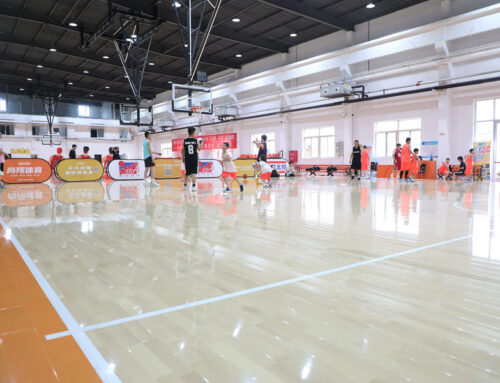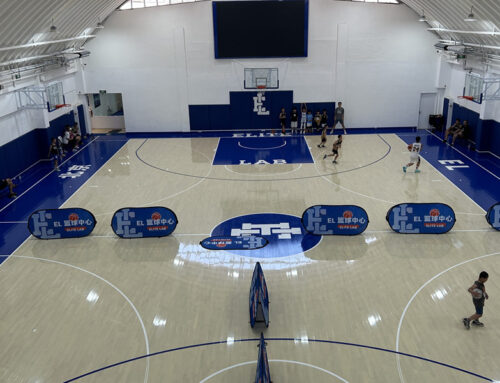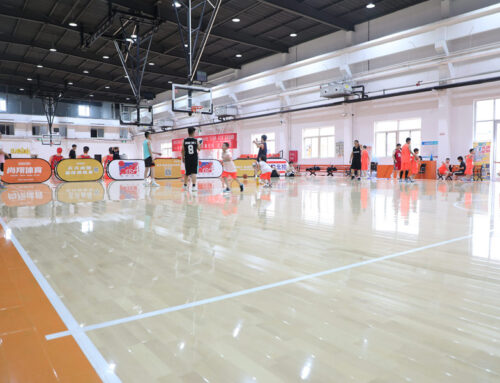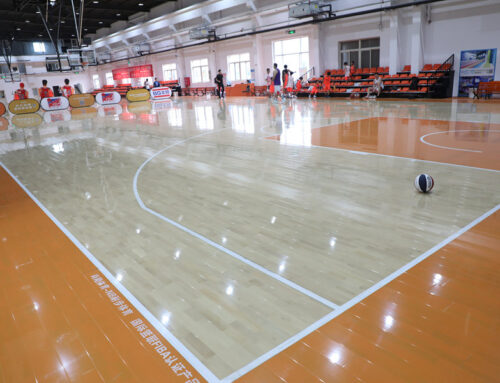
Wood is a natural material, and like all natural materials, it responds to changes in temperature and humidity. This is a fact that every facility manager must understand when choosing wooden flooring for an indoor basketball court. The good news is that interlocking wooden flooring is specifically designed to handle these environmental challenges far better than traditional solid hardwood. This article explains how and why.
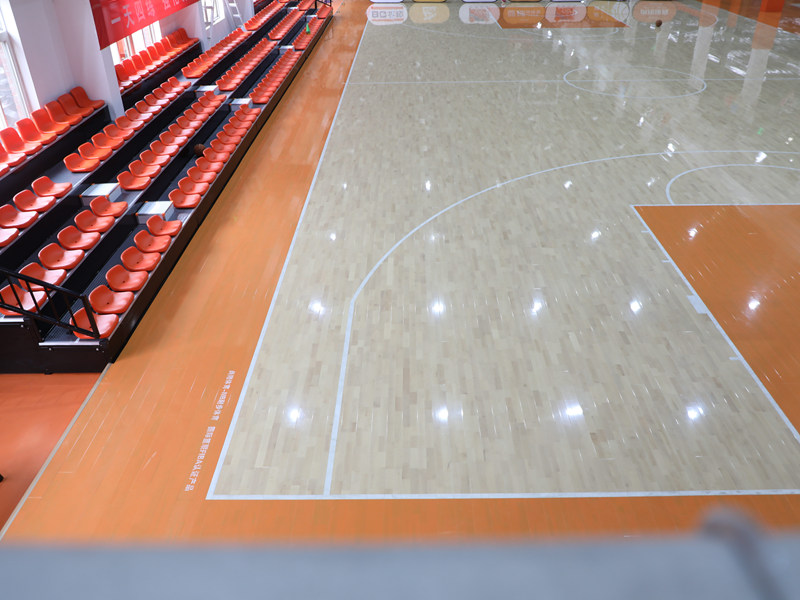
The primary concern with wood flooring is dimensional change. When humidity rises, wood absorbs moisture and expands. When humidity drops, wood loses moisture and contracts. In a traditional solid hardwood floor, this expansion and contraction happens across the entire surface, which can lead to buckling, cupping, or gaps between boards. In an interlocking system, each panel is free to expand and contract independently within its own boundaries. The interlocking connections allow for a small amount of movement without stressing the wood. This dramatically reduces the risk of warping or buckling.
The core material of interlocking panels also plays a stabilizing role. Polypropylene and rubber are not affected by humidity in the same way that wood is. They do not expand or contract significantly with changes in moisture. This means that even if the wood surface does move slightly, the core holds the panel together and maintains its structural integrity.
Temperature also affects wood, though to a lesser degree than humidity. High temperatures can cause the finish to soften, while low temperatures can make the wood more brittle. Interlocking flooring is designed to perform within a standard indoor temperature range of 15 to 30 degrees Celsius. Within this range, the floor maintains its performance characteristics without any issues.
The expansion gap is a critical design feature that accounts for dimensional change. As mentioned in the installation guide, a gap of 8 to 12 millimeters must be left around the entire perimeter of the court. This gap gives the wood room to expand without pushing against the walls. Baseboards or trim are installed over this gap to provide a clean finished look while still allowing the wood to breathe.
To maintain optimal stability, it is recommended to keep the indoor environment within a relative humidity range of 40 to 60 percent. This can be achieved with a combination of HVAC control and, if necessary, a dehumidifier or humidifier. Most modern gymnasiums already have climate control systems in place, so maintaining the right conditions is usually not a challenge.
In summary, while wood is inherently sensitive to temperature and humidity, the interlocking design of modern basketball court flooring effectively mitigates these effects. With proper installation and environmental control, the floor will remain stable, flat, and performing at its best for years.