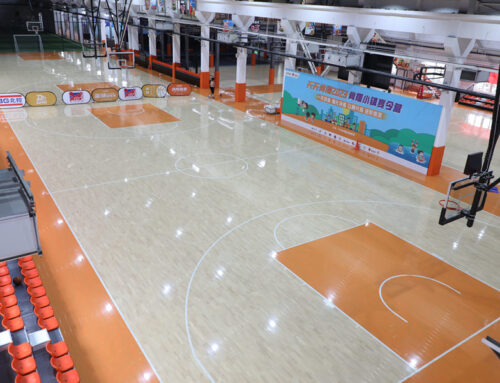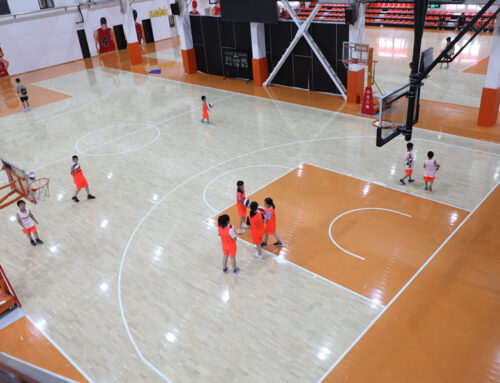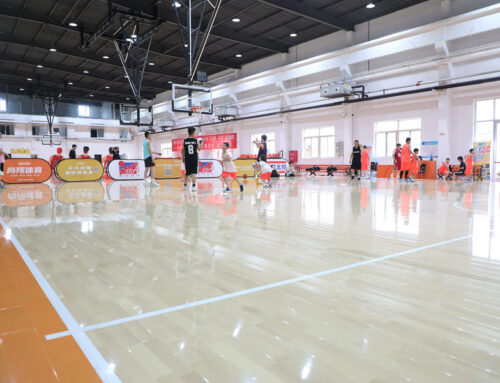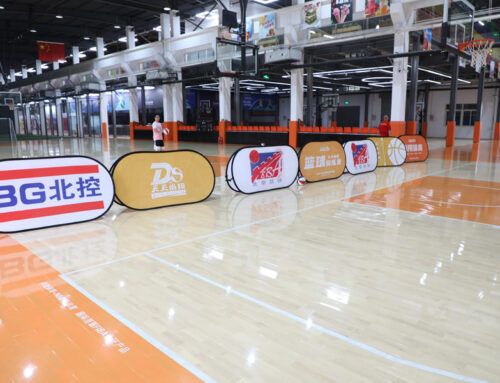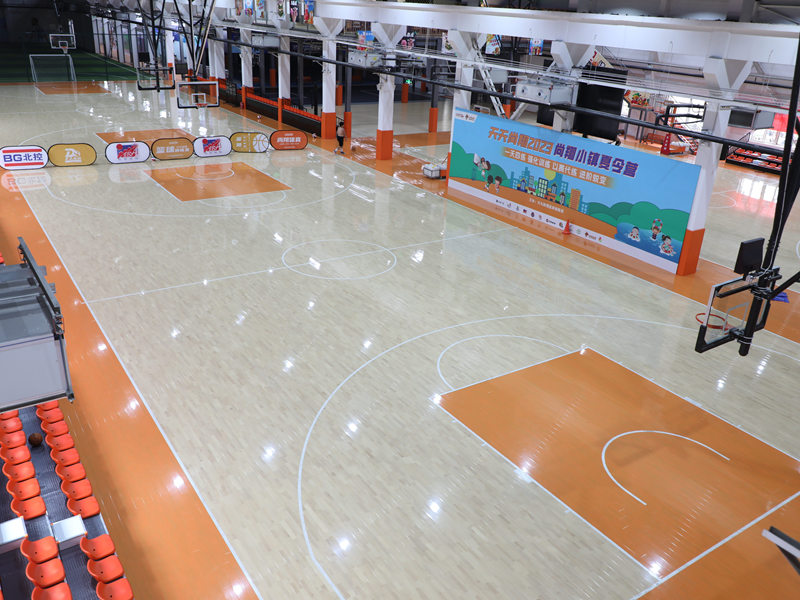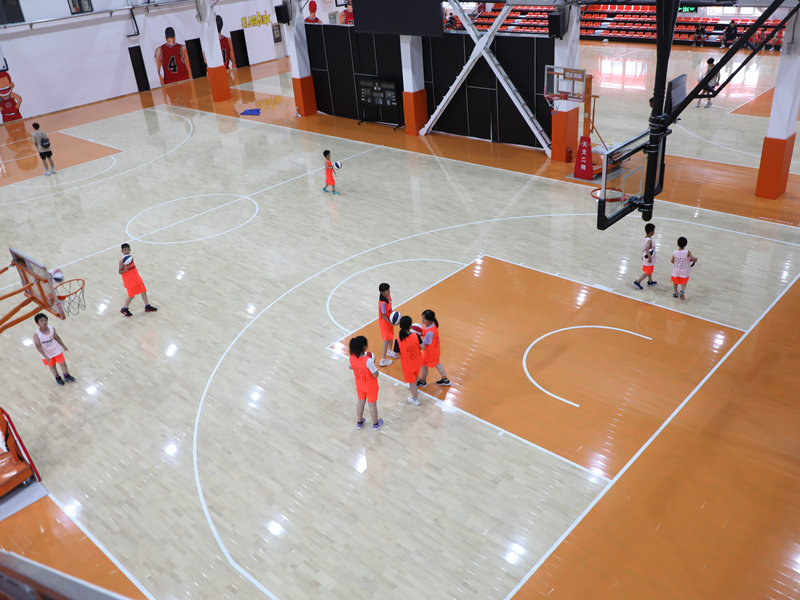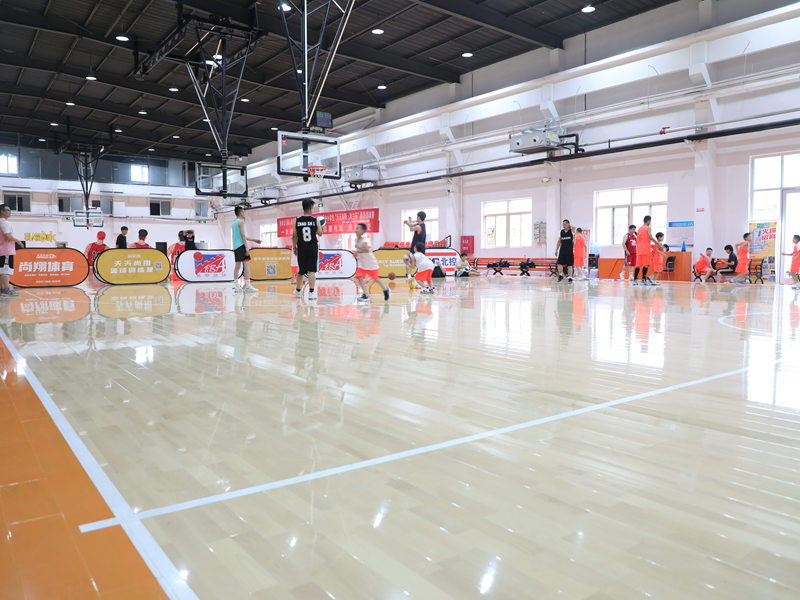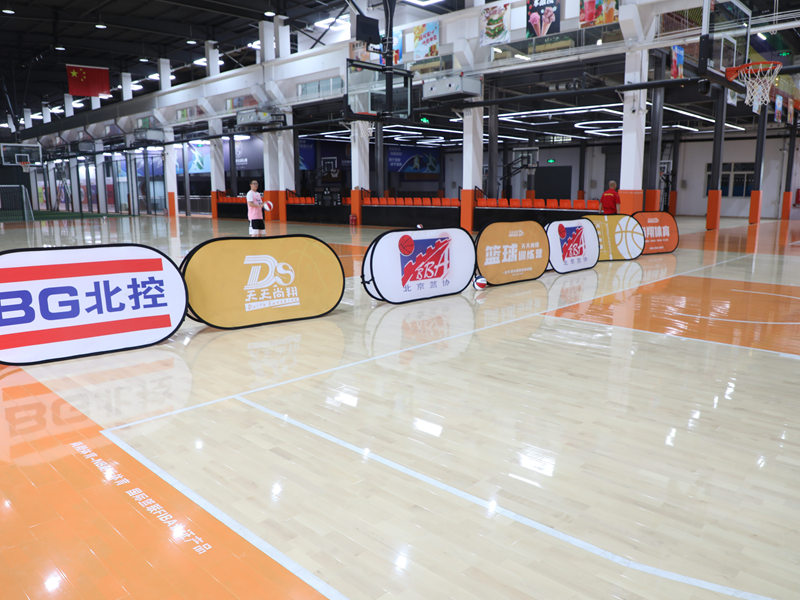
Shock absorption is arguably the most underappreciated feature of portable indoor basketball court wooden flooring. While players focus on how the ball bounces and how the surface looks, shock absorption quietly determines how safe the court is and how long players can perform at their best.
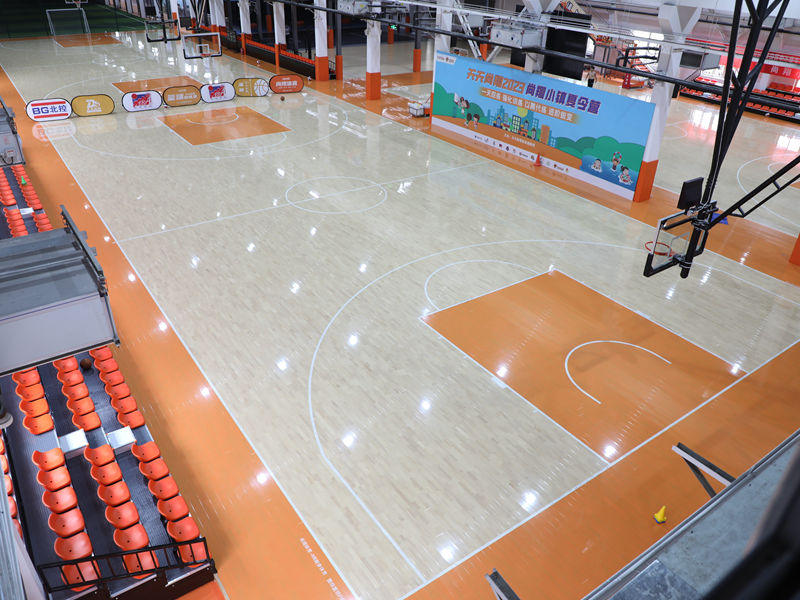
When a player lands from a jump, the impact force travels through the foot, up the leg, and into the joints — ankles, knees, hips, and lower back. On a hard surface with no shock absorption, this force is transmitted almost entirely back into the body. Studies have shown that the impact force on a bare hardwood court can reach two to three times the player’s body weight. On a court with proper shock absorption, this force is reduced by fifteen to thirty-five percent.
The difference is not just about comfort — it is about injury prevention. Ankle sprains, patellar tendinitis (jumper’s knee), and stress fractures are all linked to repetitive high-impact loading. A court with good shock absorption does not eliminate these risks, but it significantly reduces them. For young players whose bones and joints are still developing, this reduction is even more critical.
Portable systems have a unique advantage here: the shock absorption is built in. Permanent hardwood courts rely on the natural give of the wood and the subfloor, which varies widely depending on installation quality. A permanent
Thermal expansion can cause portable panels to cup or bow if the temperature changes rapidly. Moving a court from a cold storage area to a warm gym can cause the wood to expand faster than the connections can accommodate, leading to raised edges. Always acclimate the panels in the installation space for at least 48 hours before use, as mentioned in the installation guide.
For facilities in extreme climates — very hot and humid or very cold and dry — consult with the manufacturer about climate-specific recommendations. Some systems are specifically engineered for high-humidity environments with enhanced moisture barriers, while others are designed for cold-climate use with cold-resistant shock absorption materials.