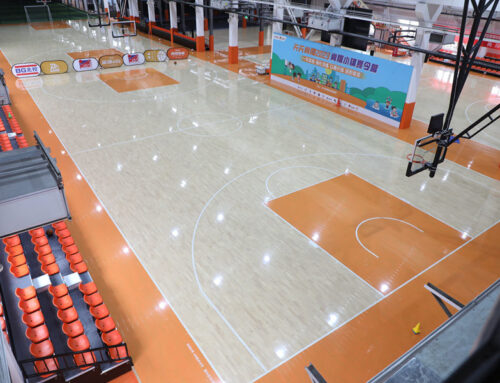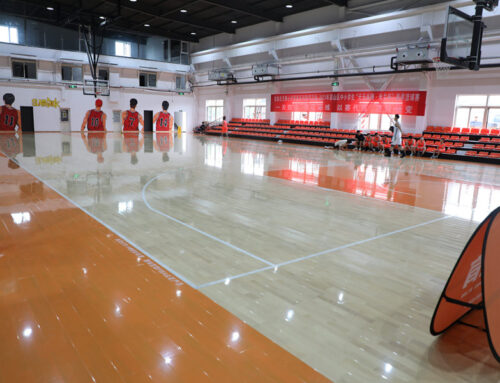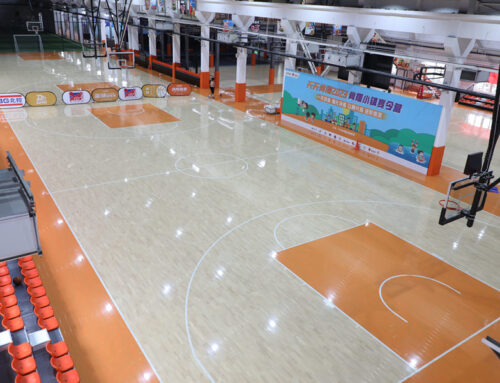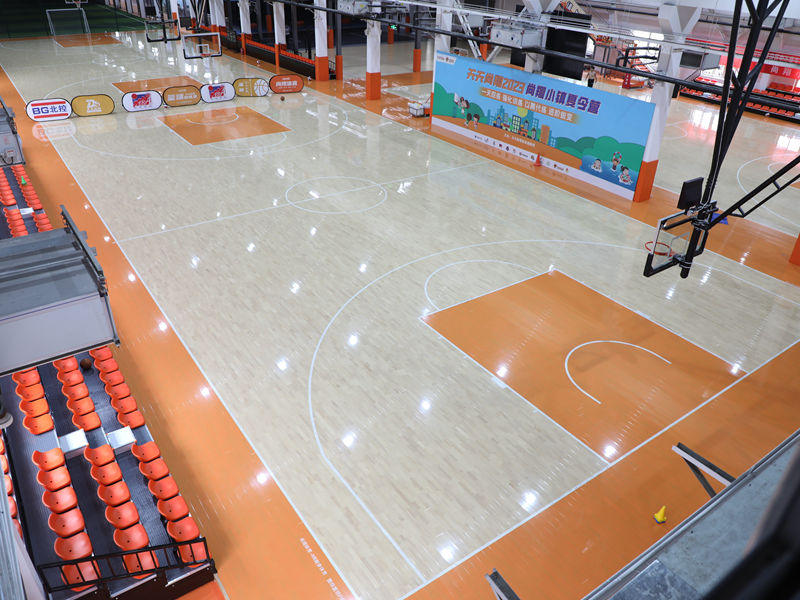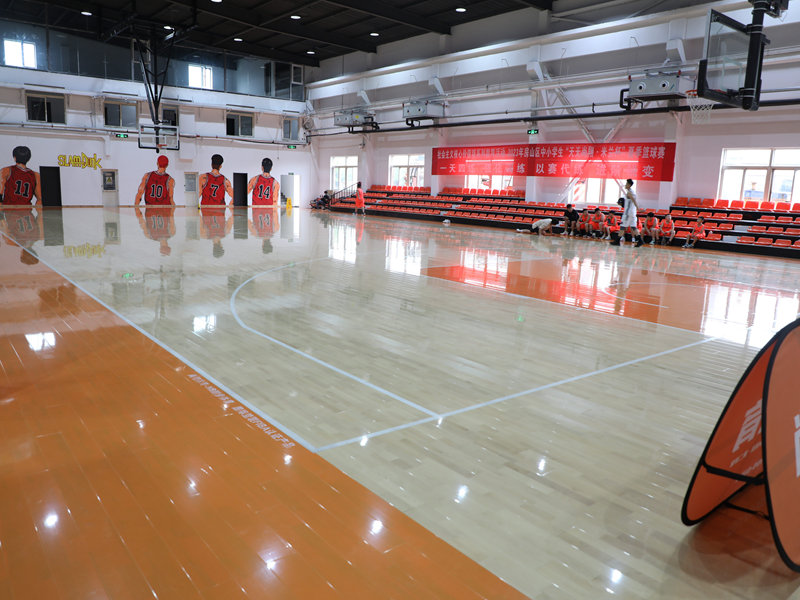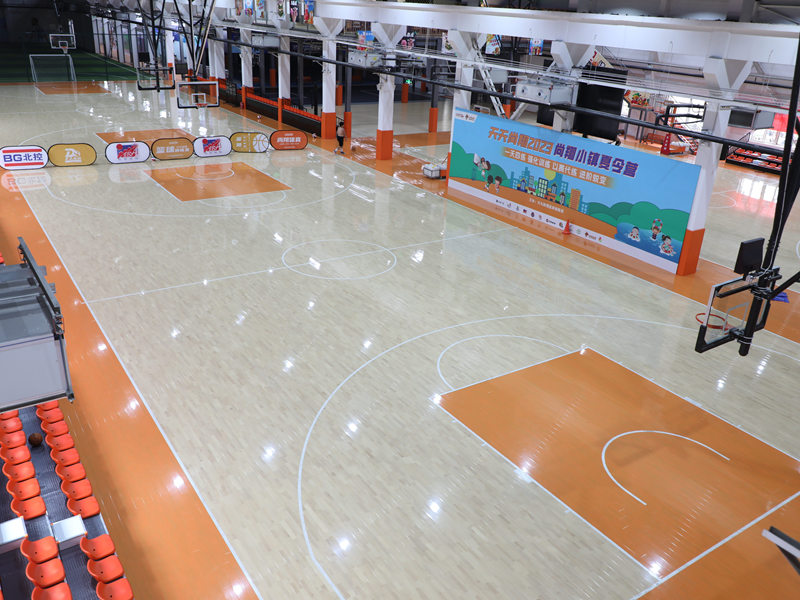
Safety is the number one priority in any athletic facility, and the flooring plays a central role in athlete safety. Indoor sports wooden flooring is specifically engineered to minimize the risk of slips, falls, and impact injuries, making it one of the safest flooring options available for indoor sports. Let us examine the key safety features of sports wood flooring and how they protect athletes.
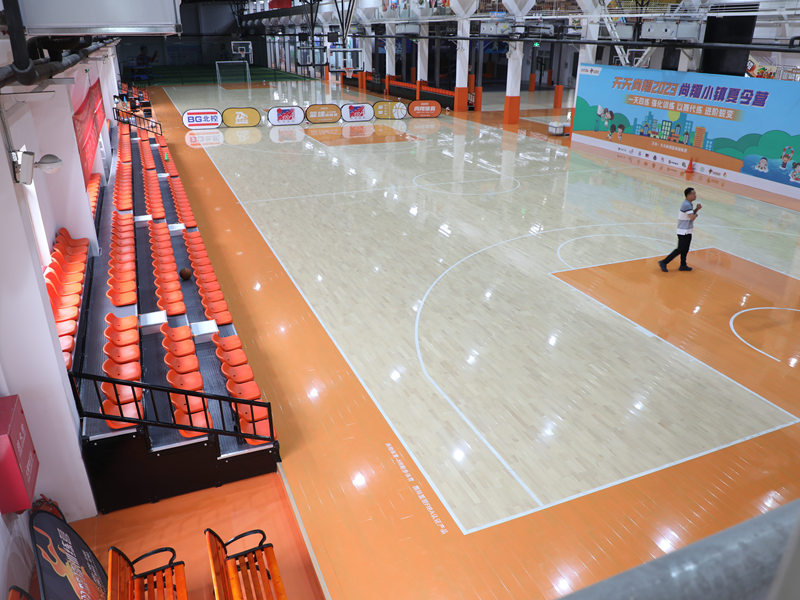
The most obvious safety feature of indoor sports wooden flooring is its traction. The surface of a sports wood floor provides excellent grip for athletic shoes, reducing the risk of slips and falls. The matte or semi-gloss finish that is standard on most sports wood floors is specifically designed to provide optimal traction — enough grip to prevent slipping, but not so much that it causes the shoe to catch and twist the ankle. This balance is carefully calibrated through the selection of the finish type, the number of coats, and the surface texture.
Shock absorption is perhaps the most important safety feature from an injury prevention perspective. As discussed in earlier articles, the elastic layer in a sports wood floor absorbs the impact forces generated by jumping and landing, reducing the stress on the athlete’s joints, muscles, and bones. This is particularly important for sports like basketball and volleyball, where athletes are constantly jumping and landing. Studies have shown that playing on a floor with proper shock absorption can reduce the incidence of knee injuries by up to 30% compared to playing on a hard surface like concrete.
The uniformity of the surface is another critical safety factor. Any bumps, dips, or irregularities in the floor can cause athletes to trip or lose their balance. Indoor sports wooden flooring is installed to extremely tight tolerances — a maximum deviation of 2 millimeters over any 3-meter span — ensuring a perfectly flat and even surface. This uniformity gives athletes the confidence to move at full speed without worrying about the floor beneath their feet.
The finish on indoor sports wooden flooring also contributes to safety by reducing glare. Bright, reflective surfaces can temporarily blind athletes, especially under intense arena lighting. The matte finish on most sports wood floors diffuses the light, reducing glare and improving visibility. This is particularly important in fast-paced sports like basketball and badminton, where split-second decisions are made based on visual cues.
Fire safety is another consideration. Indoor sports wooden flooring is treated with fire-retardant chemicals that meet the fire safety standards of most building codes. While wood is a combustible material, the fire-retardant treatment significantly slows the spread of flame, giving athletes more time to evacuate in the event of a fire. The treatment does not affect the performance of the floor and is reapplied during each refinishing cycle.
The absence of toxic fumes is also a safety advantage. Unlike some synthetic floors, which can release harmful chemicals when heated, indoor sports wooden flooring does not produce toxic fumes in a fire. The water-based finishes used on most sports wood floors are also low in VOCs, making the air quality in the facility safer for athletes and spectators.
For young athletes, the safety features of indoor sports wooden flooring are even more important. Children’s bones, joints, and muscles are still developing, and they are more susceptible to injury from hard impacts. A sports wood floor with proper shock absorption can significantly reduce the risk of overuse injuries and growth plate damage in young athletes.
In conclusion, indoor sports wooden flooring is designed with safety at its core. From traction and shock absorption to fire retardancy and low toxicity, every aspect of the floor is engineered to protect athletes and create a safe environment for competition and training.