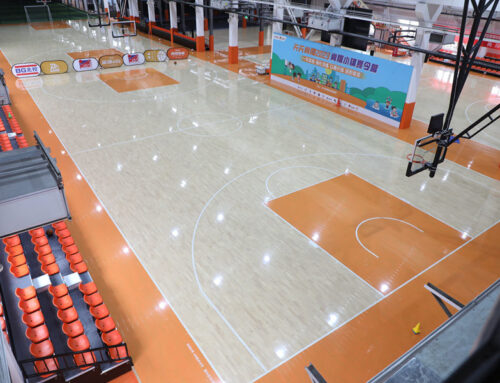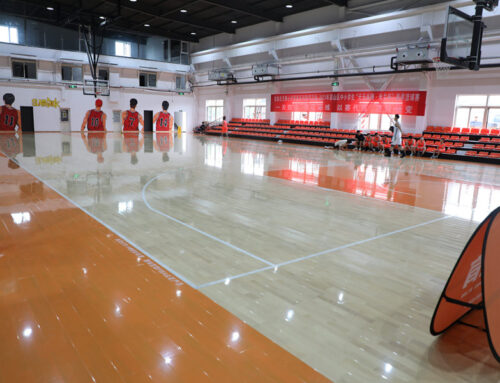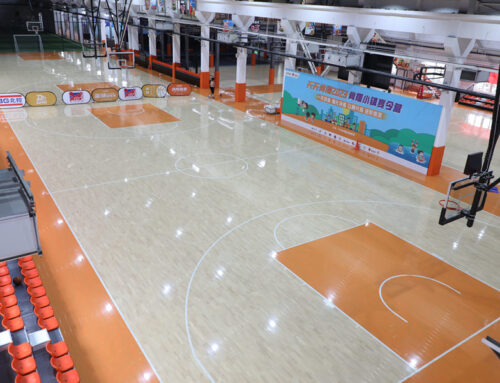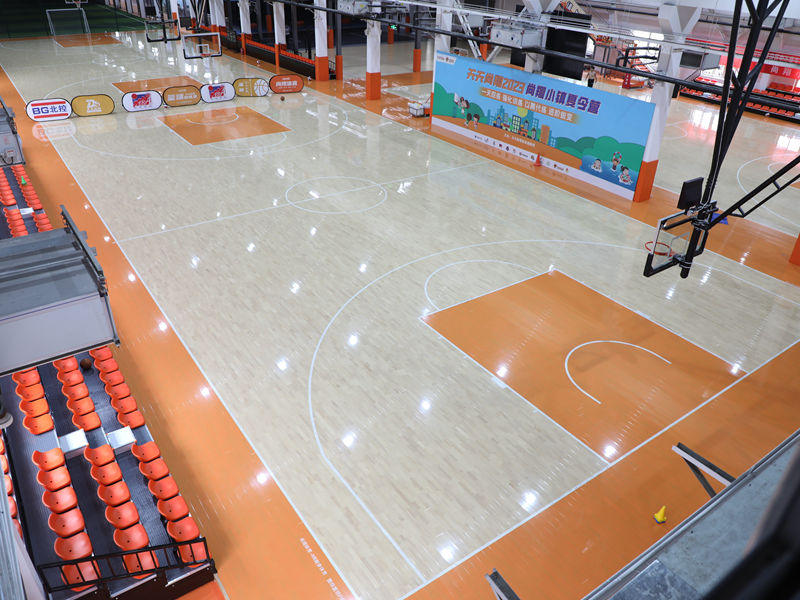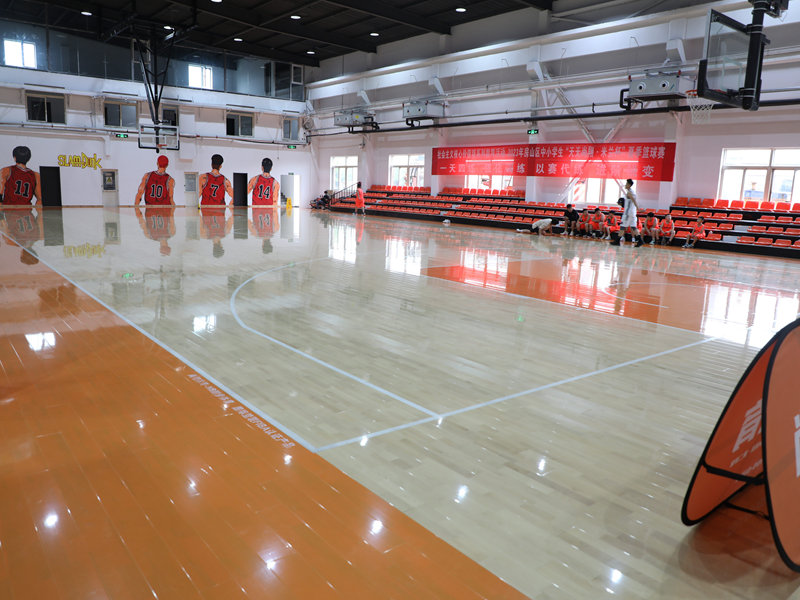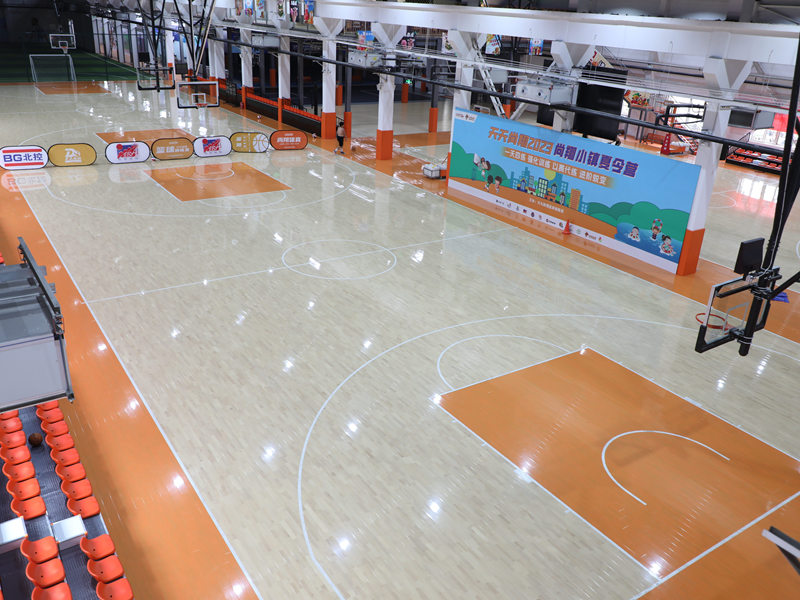
When you step onto a well-built indoor basketball court, the smooth, responsive surface beneath your feet is the result of careful planning, precise craftsmanship, and a systematic assembly process that prioritizes both performance and safety. Assembling indoor basketball wooden flooring is far more than just laying down planks; it is a detailed procedure that transforms an empty indoor space into a professional-grade playing area that can withstand hours of intense athletic activity. Every stage of the process matters, from the initial site assessment to the final finishing touches that ensure the floor meets the high standards required for competitive basketball.
Before any physical assembly work can begin, the site must undergo a thorough evaluation to confirm it is suitable for supporting a basketball wooden floor. The first key factor is the condition of the existing subfloor, which is usually made of concrete. The subfloor must be completely level, as even small uneven spots can create dangerous tripping hazards or cause unnecessary stress on the wooden planks over time. Workers use long straight edges and laser levels to measure every section of the surface, marking any areas that need to be ground down or filled in to create a perfectly flat base. Moisture testing is another critical step in this pre-assessment phase. Wood is a natural material that expands and contracts with changes in humidity, so if the concrete subfloor has a high moisture content, it can transfer that dampness to the wood above, leading to warping, buckling, or mold growth in the future. Technicians use specialized meters to take multiple moisture readings across the entire space, ensuring that the moisture level of the subfloor is within the acceptable range before any materials are brought into the area. The temperature and humidity of the indoor space are also adjusted in advance, to create a stable environment that matches the conditions the wooden flooring will experience during regular use.
Once the site is fully prepared, the next phase of assembly begins with the installation of the underlayment system, which forms the foundation of the entire basketball wooden floor structure. This layer is not visible to players, but it plays an irreplaceable role in the floor’s performance. The underlayment typically consists of a series of resilient pads and supportive panels that are laid across the leveled subfloor. These components are carefully positioned and secured, creating a uniform layer that absorbs the impact of players running, jumping, and making sudden stops on the court. This shock absorption is essential for reducing the strain on athletes’ knees, ankles, and joints, lowering the risk of overuse injuries that are common in high-intensity sports like basketball. The underlayment also includes a moisture barrier that acts as a second line of defense, preventing any remaining moisture from the subfloor from seeping up into the wooden layers above. Workers take great care to make sure every seam in the underlayment is properly sealed, so there are no gaps that could compromise the barrier’s effectiveness. They also check that the entire underlayment system is evenly compressed across every part of the court, so there are no soft spots that would create an inconsistent playing experience.
After the underlayment is fully in place, the assembly moves on to laying the main wooden planks that form the visible surface of the basketball court. Before installation, the wooden planks are acclimated to the indoor environment for several days, allowing them to adjust to the temperature and humidity of the space so that any natural expansion or contraction happens before they are secured in place. Workers start laying the planks from one end of the court, carefully aligning each piece to ensure the joints fit tightly together without any gaps. The planks are arranged in a specific pattern that runs parallel to the longest wall of the court, which not only creates a visually pleasing appearance but also helps distribute the weight of players evenly across the entire surface. Each plank is fastened securely to the supportive layer beneath it, using a method that allows for a small amount of natural movement, so the wood can expand and contract with changes in the environment without warping or cracking. As they work, the installation team constantly checks the alignment of the planks, using string lines to make sure the edges stay perfectly straight across the full length of the court. They also inspect each joint to ensure there are no uneven edges that could catch a player’s shoe during a game.
Once all the main wooden planks are laid, the next step is to install the perimeter elements that complete the structure of the basketball wooden floor. Expansion gaps are left along all the walls of the court, as this empty space gives the wood room to expand when the humidity rises, preventing the floor from pushing against the walls and buckling. These gaps are later covered with flexible trim pieces that hide the open space without restricting the movement of the floor. The team then moves on to the sanding phase, using industrial-grade sanding equipment to smooth the entire surface of the wood. They start with a coarse grit sandpaper to remove any small imperfections, uneven edges, or leftover adhesive residue, then work their way through progressively finer grits to create an incredibly smooth, uniform surface. Multiple passes are made across the entire court, with workers paying extra attention to the areas near the edges and corners that the large sanding machine might not reach easily. After sanding is complete, the entire floor is thoroughly cleaned, with every speck of sawdust removed using powerful vacuum systems and tack cloths, to make sure the surface is completely free of debris before the finishing materials are applied.
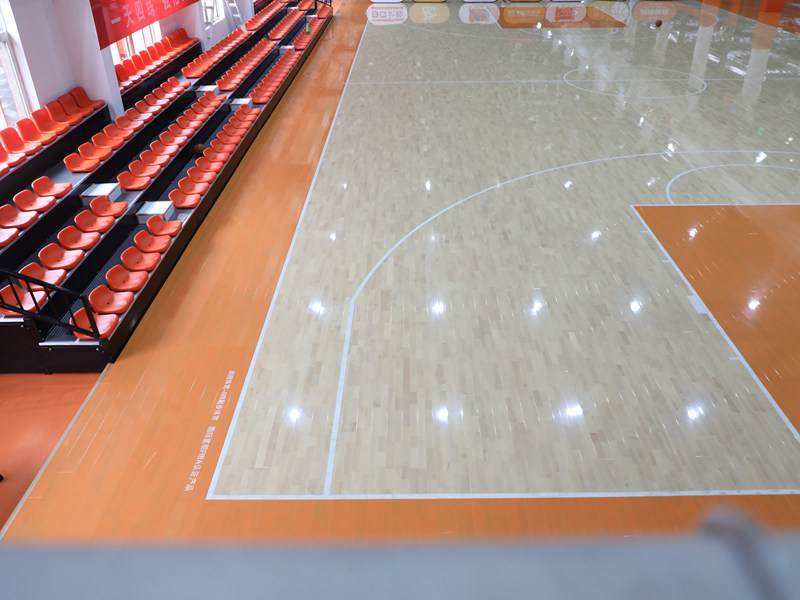
The final stage of the assembly process is applying the protective finish and adding the court markings. Multiple layers of a durable, sports-grade finish are brushed or rolled onto the wooden surface, with each layer left to dry completely before the next one is added. This finish creates a tough, wear-resistant layer that protects the wood from scuffs, scratches, and moisture from players’ sweat or spilled drinks, while also providing the exact level of traction that basketball players need. When the last coat of finish is fully cured, the team carefully measures and applies the official basketball court lines, including the three-point arc, free-throw lines, center circle, and boundary lines. They use precise measuring tools to ensure every line is in the exact position required by basketball regulations, and the paint used for the lines is designed to bond strongly with the finish, so it will not peel or wear away even after thousands of players step on it. Once all the work is done, the team conducts a final inspection, walking across every part of the court to check for smoothness, testing the traction by making sudden stops and starts, and verifying that all lines are perfectly aligned. The end result is a fully assembled indoor basketball wooden floor that is ready to host practices, games, and tournaments, providing a safe, high-performance surface that players can rely on for years to come.