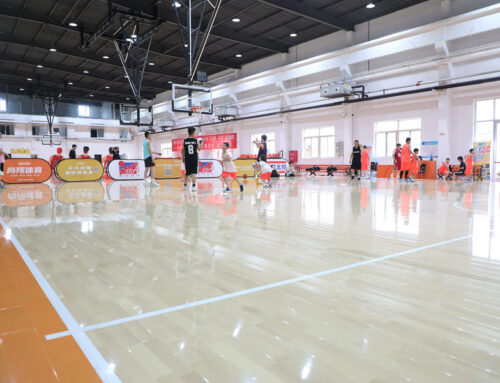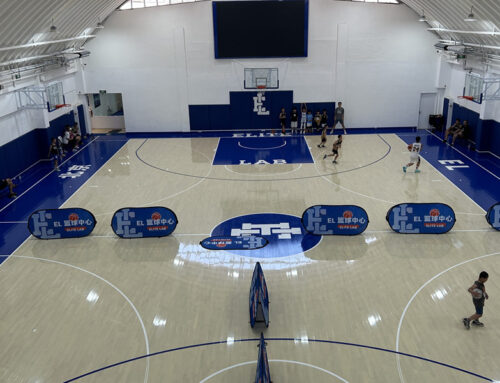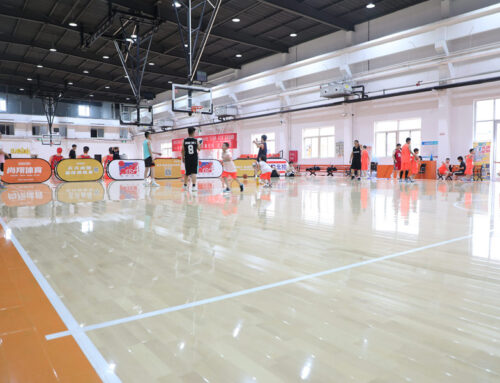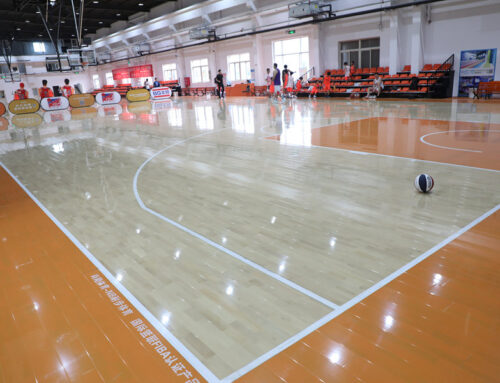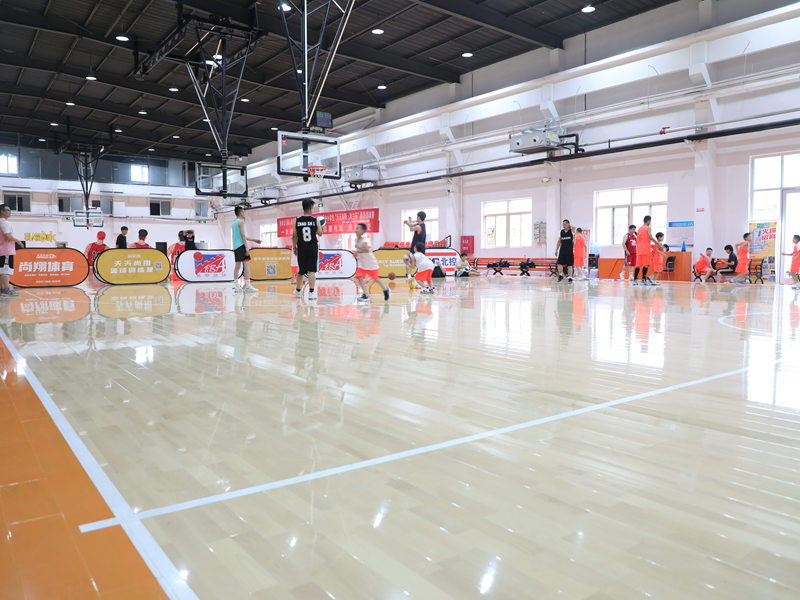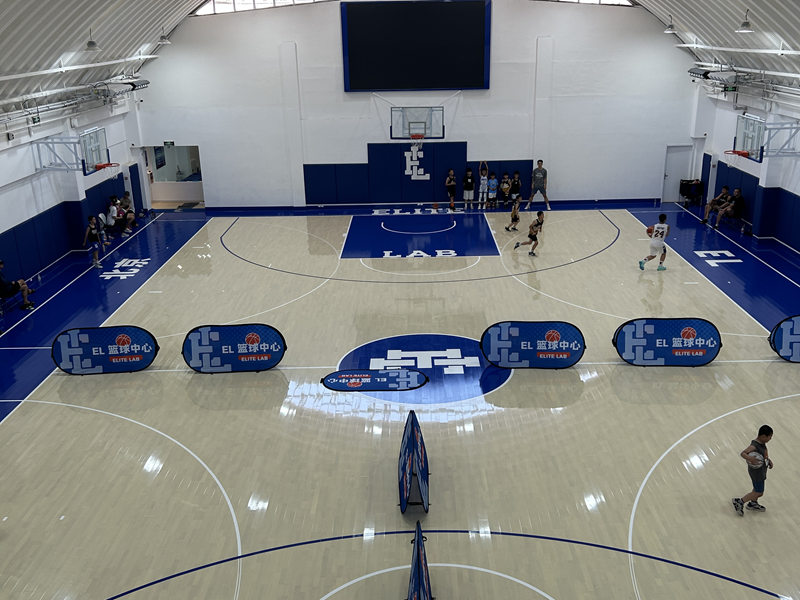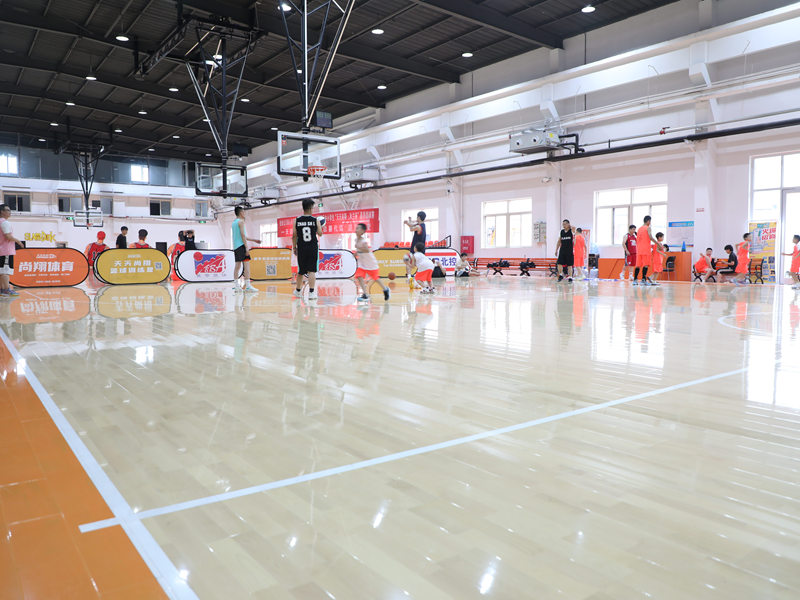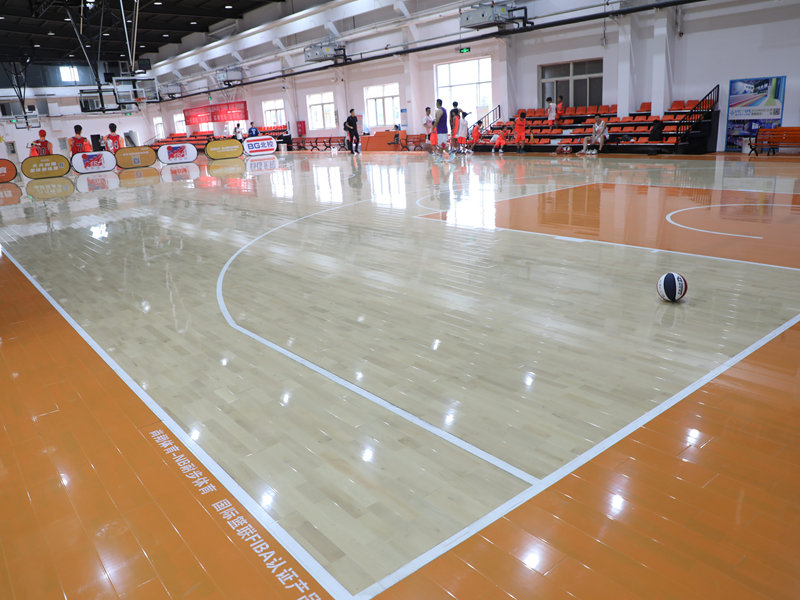
When you invest in a flooring system for an indoor basketball court, you want it to last. The floor will be subjected to thousands of footsteps, hundreds of ball impacts, and countless games every year. It needs to hold up under this relentless use without showing signs of wear. Interlocking wooden flooring is designed for exactly this kind of demanding environment, and its durability and lifespan are among its strongest selling points.
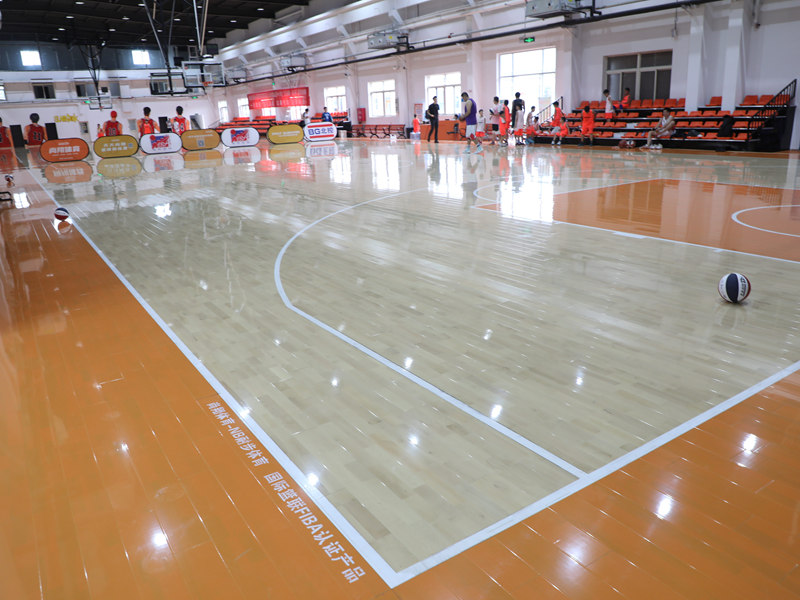
The hardwood surface of interlocking panels is the first line of defense against wear. High-quality hardwood species like maple and oak are naturally dense and hard, making them resistant to dents, scratches, and gouges. On top of the natural hardness of the wood, the surface is protected by a multi-layer finish that acts as a shield against the abrasion caused by shoe soles and basketballs. This finish is typically a water-based polyurethane that is both durable and environmentally friendly.
The interlocking base layer is the second line of defense. Made from materials like polypropylene or rubber, this layer is designed to withstand repeated compression without losing its shape. Unlike foam underlayments, which can flatten over time, the honeycomb or rubber core of interlocking panels maintains its structural integrity even after years of heavy use. This means that the shock absorption and ball response of the floor remain consistent throughout its lifespan.
One of the key factors that contribute to the long lifespan of interlocking flooring is its modular design. In a traditional hardwood floor, damage to one section often requires sanding and refinishing a large area, or in the worst case, replacing multiple boards. This is not only expensive but also disruptive. With interlocking flooring, a single damaged panel can be lifted out and replaced in minutes. The rest of the court is completely unaffected. This ability to repair locally rather than globally is a massive advantage in terms of both cost and convenience.
The typical lifespan of a well-maintained interlocking wooden basketball court floor is measured in decades, not years. With regular cleaning, proper humidity control, and occasional panel replacement, the floor can continue to perform at a high level for 15 to 20 years or more. This is comparable to, and in some cases exceeds, the lifespan of traditional solid hardwood flooring, especially when you factor in the ease of maintenance.
It is also worth noting that the floor does not degrade in performance over time. Unlike some synthetic surfaces that become slick or stiff as they age, interlocking wooden flooring maintains its ball bounce, traction, and shock absorption consistently. This means that the playing experience on day one is essentially the same as the playing experience on day ten thousand.
For any facility manager looking for a flooring solution that delivers long-term value, interlocking wooden flooring is an investment that pays for itself many times over.