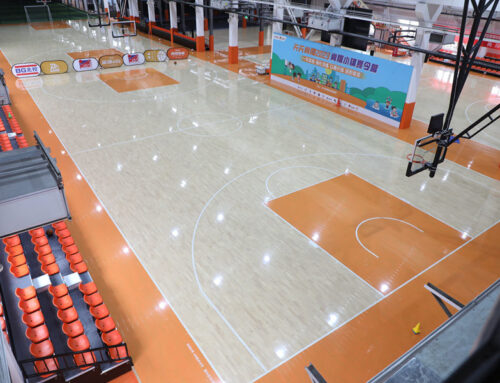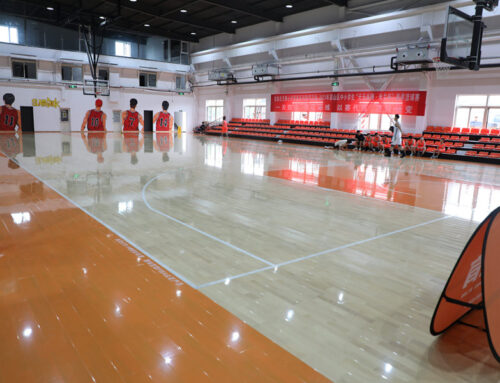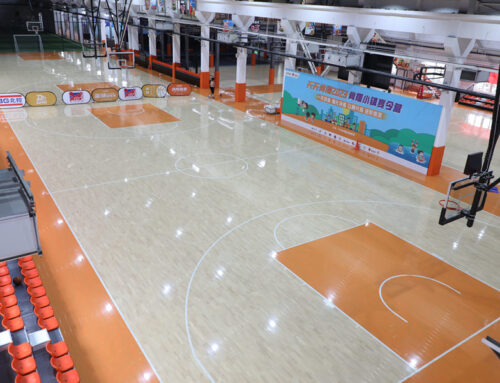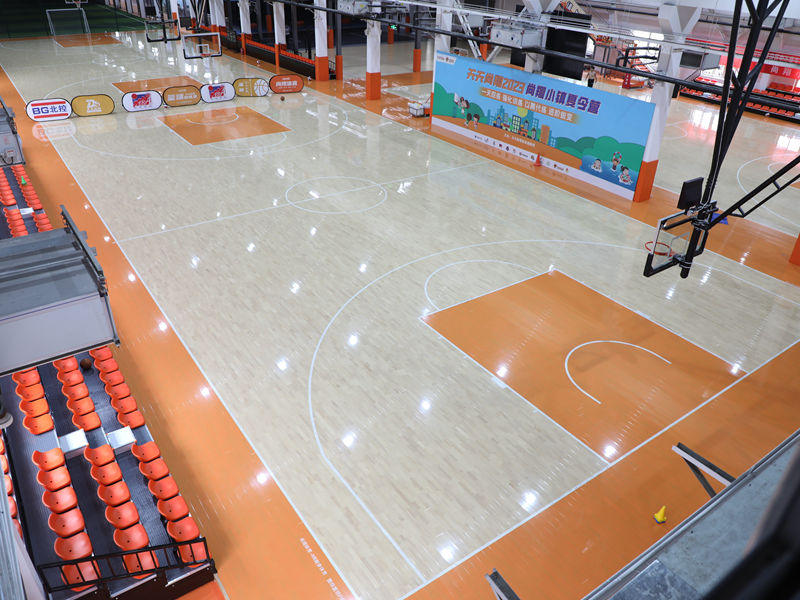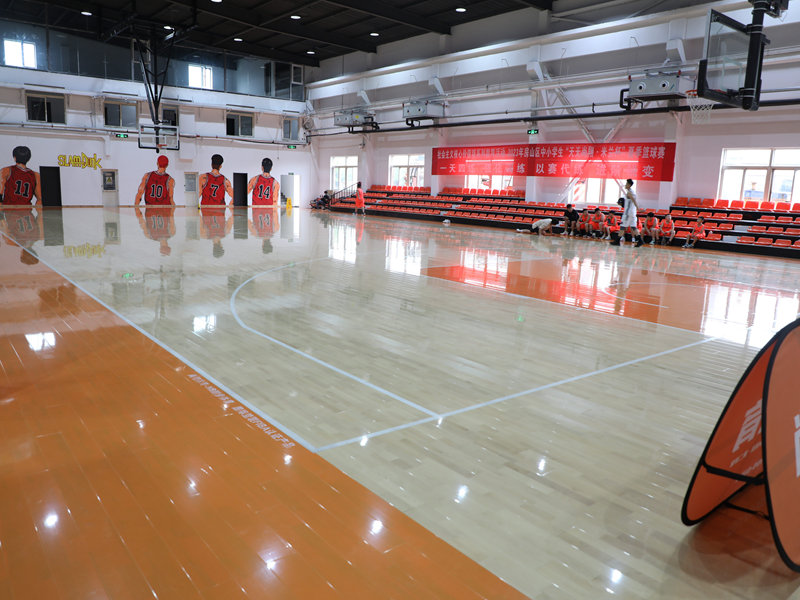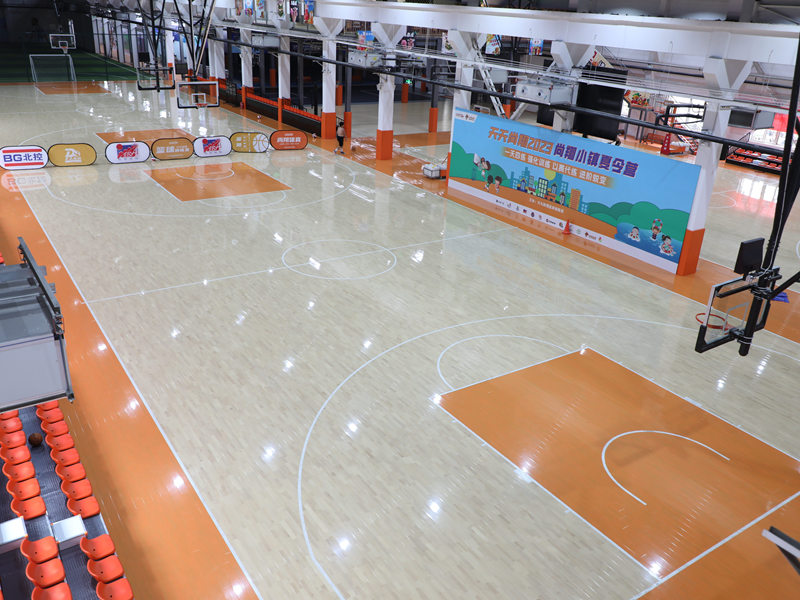
The idea of building your own portable basketball court wood flooring is appealing. It promises lower costs, full customization, and the satisfaction of creating something with your own hands. While it is technically possible, the reality is more complex than most DIY enthusiasts expect. This article covers what you actually need to know before deciding whether the DIY route is right for you.
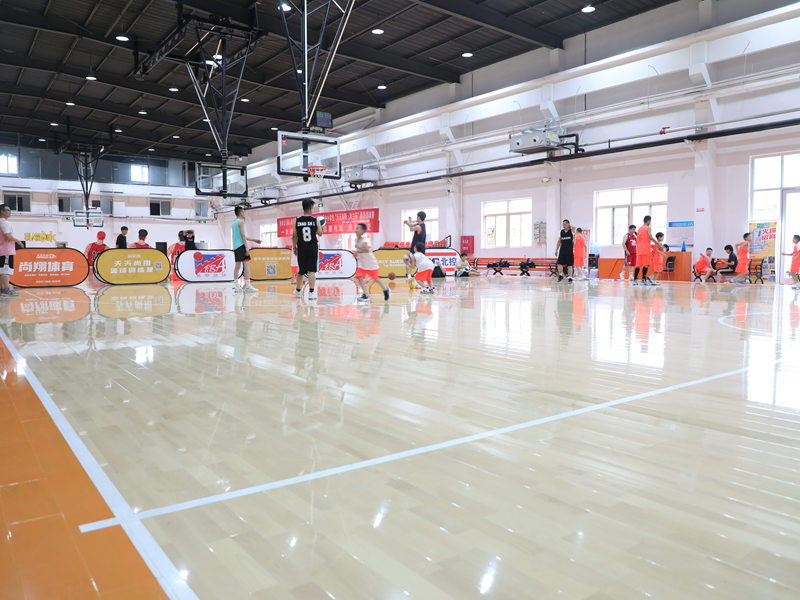
First, let us be clear about what DIY means in this context. You are not going to mill your own hardwood planks and finish them by hand. What most people mean by DIY portable flooring is purchasing individual components, such as interlocking wood tiles or modular panels, and assembling them yourself rather than hiring a professional installation crew. This is a very different proposition from building a floor from raw materials.
The components you would need include the floor panels themselves, a subfloor base system, connection hardware, perimeter edging, and possibly a finish or sealant. Panel costs for a full-size court can range from ten thousand to fifty thousand dollars depending on quality. The subfloor base, if needed, adds another two thousand to five thousand dollars. Connection hardware and edging are relatively inexpensive, typically under one thousand dollars total.
The tools required are minimal for most modern systems. A rubber mallet, a utility knife, a tape measure, and a straightedge are usually sufficient. Some systems may require a drill for securing perimeter clips, but even this is optional in many cases. You do not need any specialized woodworking equipment.
The time investment is where DIY can save money but cost you something else. A professional crew can install a full-size portable court in four to eight hours. A DIY team of two to four people will typically need eight to sixteen hours, depending on experience. If your time has value, factor that into the cost calculation. For many people, the time saved by hiring professionals is worth more than the labor cost difference.
The biggest risk in DIY installation is improper assembly. If panels are not connected correctly, the surface will be uneven, which affects ball bounce and creates tripping hazards. If expansion gaps are not left at the perimeter, the floor can buckle in warm weather. If the subfloor is not level, the entire court will have low spots that collect water and accelerate wear. These mistakes can be costly to fix and may void the warranty.
Customization is the main advantage of the DIY approach. You can choose the exact wood species, thickness, color, and finish that you want. You can also design the court layout, including the placement of three-point lines, free-throw lanes, and other markings. Some DIY systems even allow you to mix and match panel colors to create unique designs.
My recommendation is this: if you have basic construction skills, a level workspace, and a weekend to spare, DIY assembly of a modern modular portable system is absolutely doable and can save you several thousand dollars in labor costs. If you have no experience with flooring installation, or if the court will be used for competitive play, hire a professional. The cost of getting it wrong is too high.