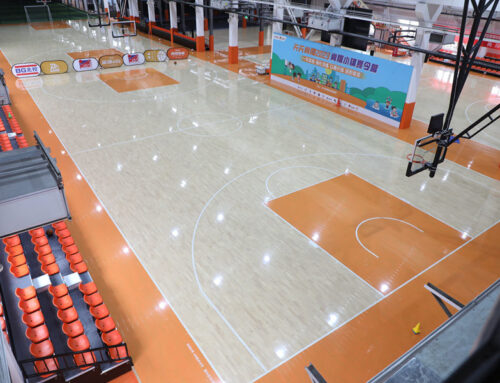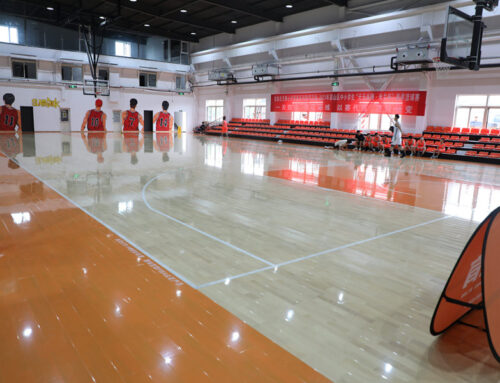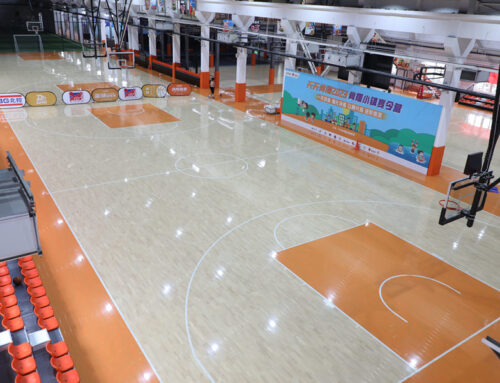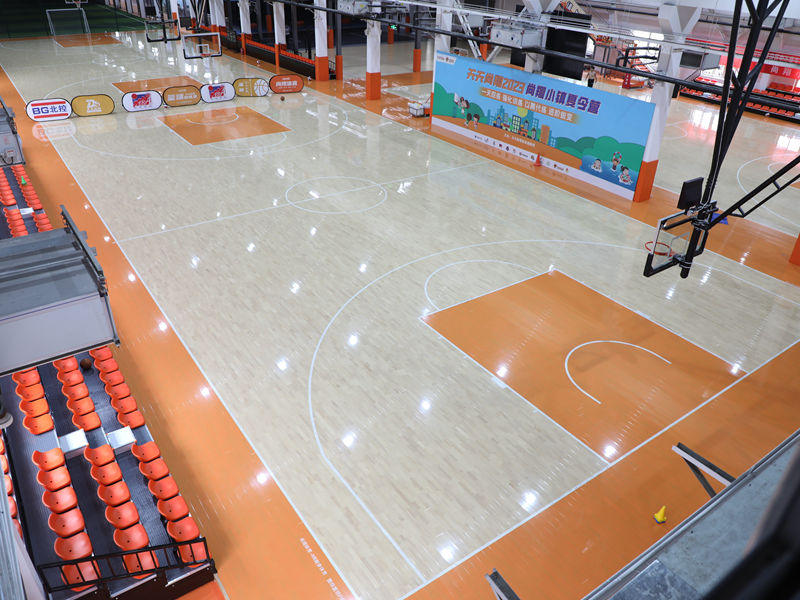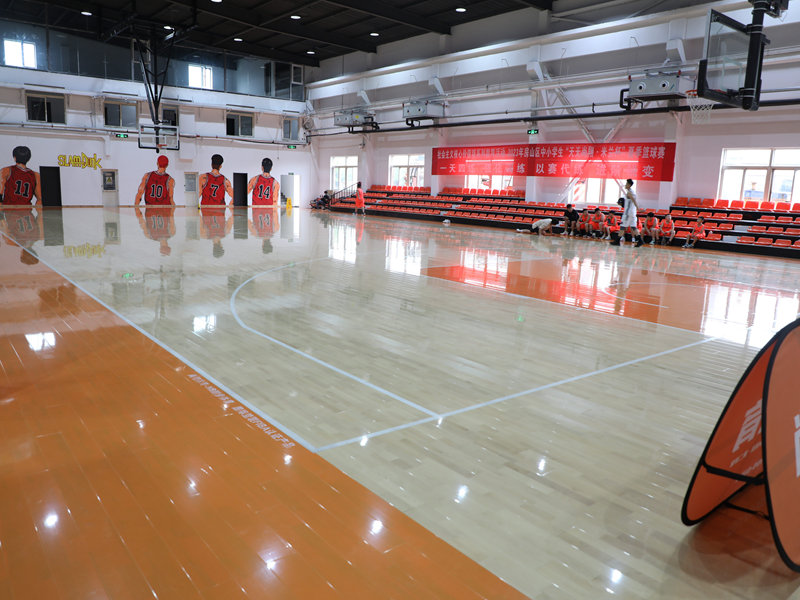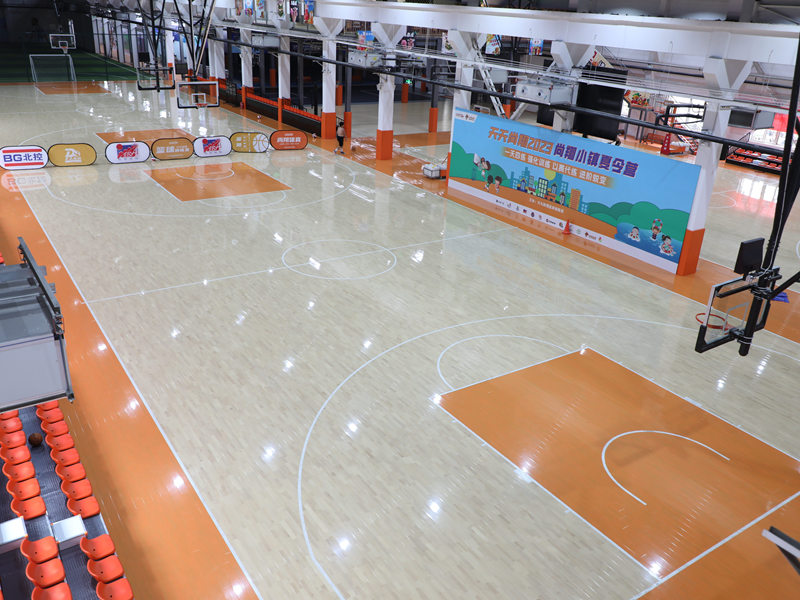
Despite the growing popularity of modular indoor sports wood flooring, several myths persist that can lead to poor purchasing decisions. Clearing up these misconceptions is essential for anyone evaluating flooring options.
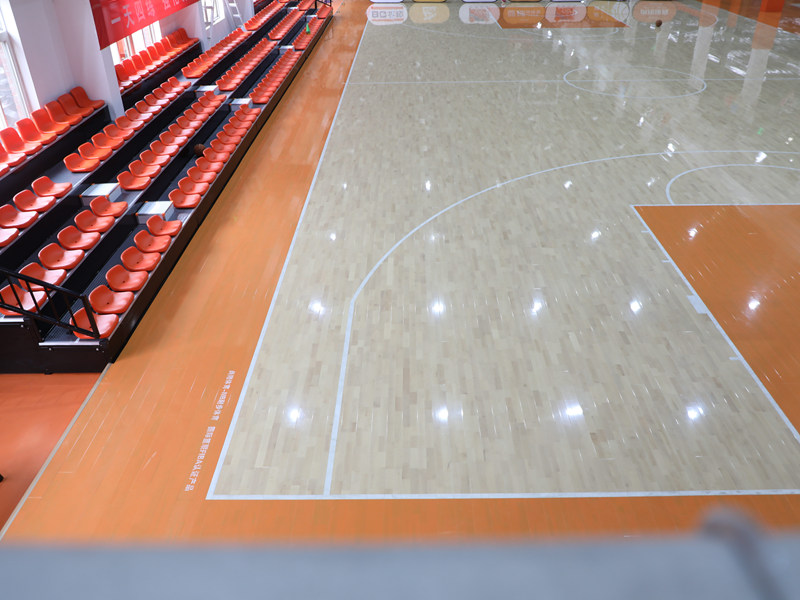
Myth one: Modular floors are less durable than traditional floors. This is simply not true. The durability of a sports wood floor depends on the wood species, the thickness of the wear layer, the quality of the finish, and the maintenance regimen — not on whether the floor is modular or traditional. In fact, modular floors can be more durable in practice because damaged panels can be replaced individually, preventing small problems from becoming large ones. A traditional floor with a single damaged board that is left unrepaired can lead to progressive deterioration of the surrounding area.
Myth two: Modular floors have poor ball bounce. Early modular systems sometimes had inconsistent ball bounce due to gaps between panels or uneven surfaces. Modern modular systems, however, use precision-milled locking mechanisms that create a seamless, flat surface. When properly installed, the ball bounce of a modular floor is identical to that of a traditional floor — and both can be certified to meet international standards.
Myth three: Modular floors are only for temporary or recreational use. This myth likely stems from the fact that modular floors are easier to install and relocate, which some people associate with temporary setups. In reality, many professional and Olympic-level training facilities use modular sports wood floors. The modular design is about flexibility and serviceability, not about being temporary.
Myth four: You cannot refinish a modular floor. This is false. The wood surface of modular panels can be sanded and recoated just like any other sports wood floor. Because the panels are uniform in thickness, the refinishing process is actually more predictable and consistent than with traditional hand-installed floors, where variations in board thickness can create uneven surfaces after sanding.
Myth five: Modular floors are more expensive overall. As discussed in previous articles, while the upfront cost may be comparable to or slightly higher than traditional floors, the total cost of ownership is often lower due to faster installation, easier maintenance, longer lifespan, and residual value. Evaluating cost on a lifecycle basis tells a very different story than looking at the initial price tag.
Myth six: The locking mechanism will loosen over time. Modern locking systems are engineered to maintain their connection under the dynamic loads of athletic activity. The panels are held in place not just by the locking mechanism but also by their own weight and the friction of the joint. When properly installed on a level subfloor, the connections remain secure for the life of the floor.
Understanding these myths — and the facts behind them — is essential for making an informed flooring decision. Modular sports wood flooring is a mature, proven technology that delivers professional-level performance with practical advantages that traditional floors cannot match.