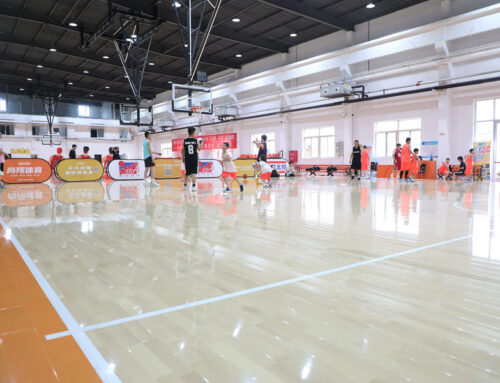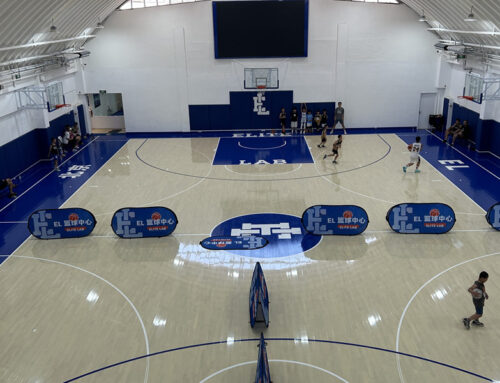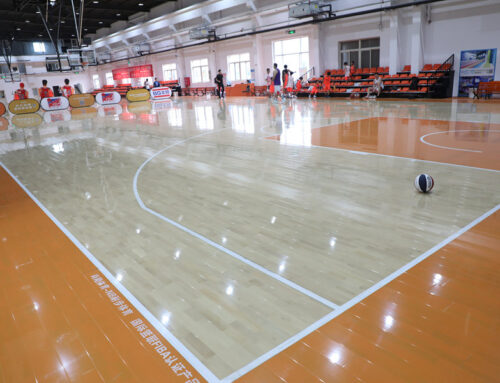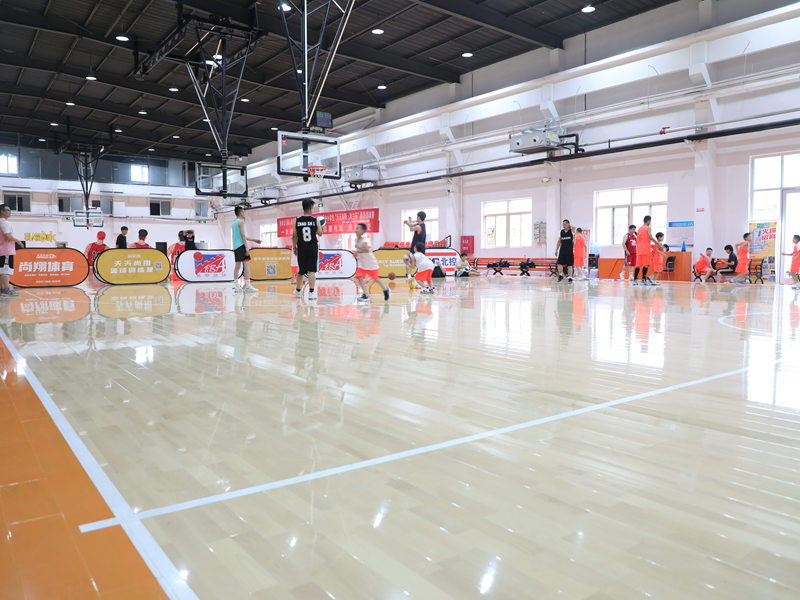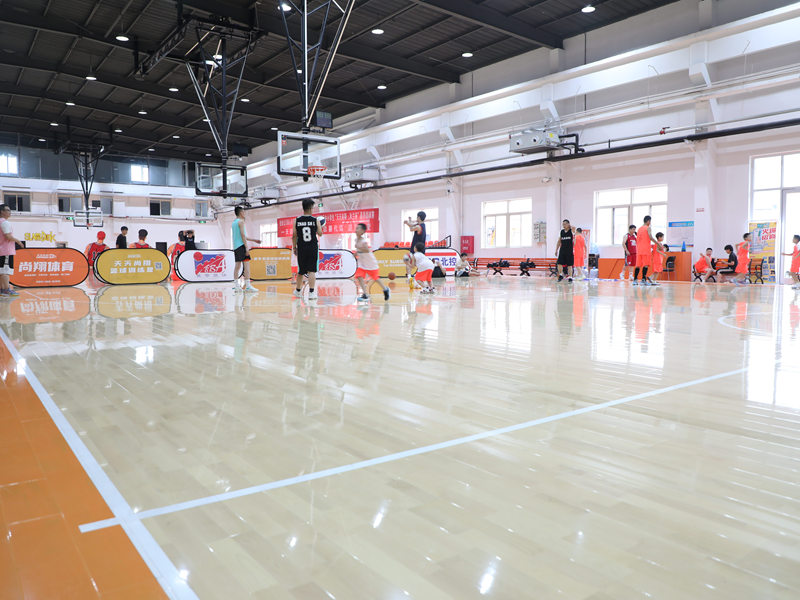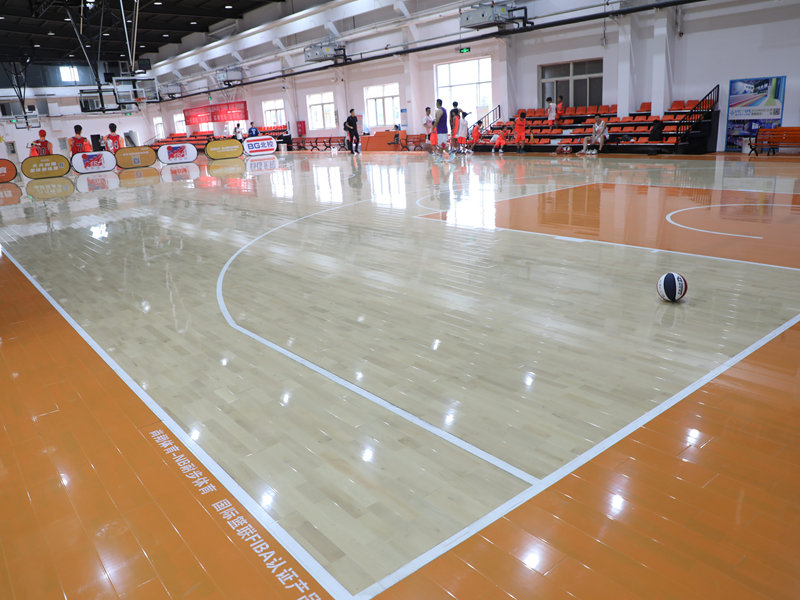
One of the most common concerns about portable basketball court wood flooring is how it holds up in different climate conditions. Wood is a natural material, and natural materials respond to their environment. Temperature, humidity, and even sunlight can all affect the performance and longevity of a portable wood floor. Understanding these climate factors helps you make the right choices for your location.
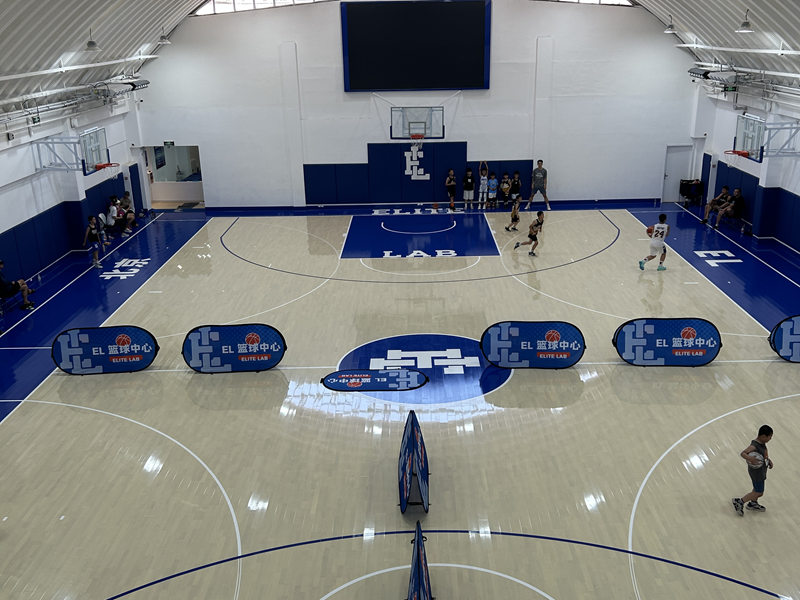
Humidity is the single biggest climate factor. Wood absorbs and releases moisture from the air, causing it to expand and contract. In high-humidity environments, panels can swell, causing the surface to cup or buckle. In low-humidity environments, panels can shrink, creating gaps between them. The solution is to choose a portable system with full-edge moisture sealing and to maintain indoor relative humidity between 40 and 60 percent when possible. For outdoor use, never leave the floor exposed to rain or standing water, and always allow it to dry completely before storage.
Temperature extremes affect portable flooring in two ways. First, the wood itself expands in heat and contracts in cold. This is why expansion gaps at the perimeter are so important; they give the wood room to move without buckling. Second, extreme heat can soften the adhesives and finishes on the floor, while extreme cold can make the wood more brittle. Most portable systems are rated for use in temperatures between minus 10 and plus 40 degrees Celsius, but performance is optimal between 15 and 25 degrees.
Sunlight is a concern primarily for outdoor installations. Prolonged UV exposure can fade the finish and dry out the wood, making it more susceptible to cracking. If your portable court will be used outdoors, choose a system with a UV-resistant finish and consider using a canopy or cover when the court is not in use. Even indoor courts near large windows can benefit from UV-filtering window treatments to protect the floor finish.
Indoor climate control is the ideal scenario for any wood flooring, portable or permanent. If your facility has air conditioning and dehumidification, your portable floor will perform at its best and last the longest. If climate control is not available, invest in portable dehumidifiers and heaters to keep the environment within the recommended range.
Seasonal storage is critical for outdoor portable courts. During the off-season, the floor should be disassembled, cleaned, dried, and stored in a climate-controlled space. Do not stack panels without protective material between them, and do not cover them with airtight plastic, which traps moisture.
By accounting for climate factors in your planning and maintenance, you can ensure that your portable basketball court wood flooring performs reliably year after year, regardless of where you are located.