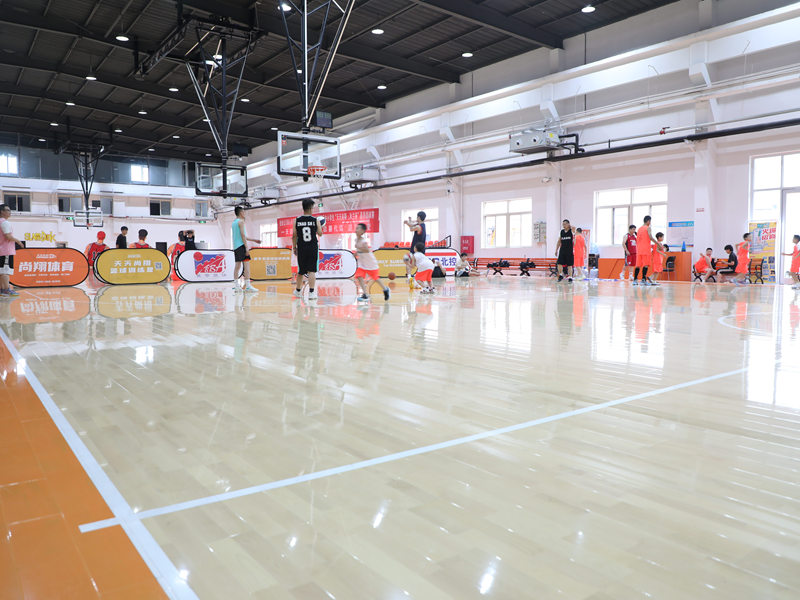
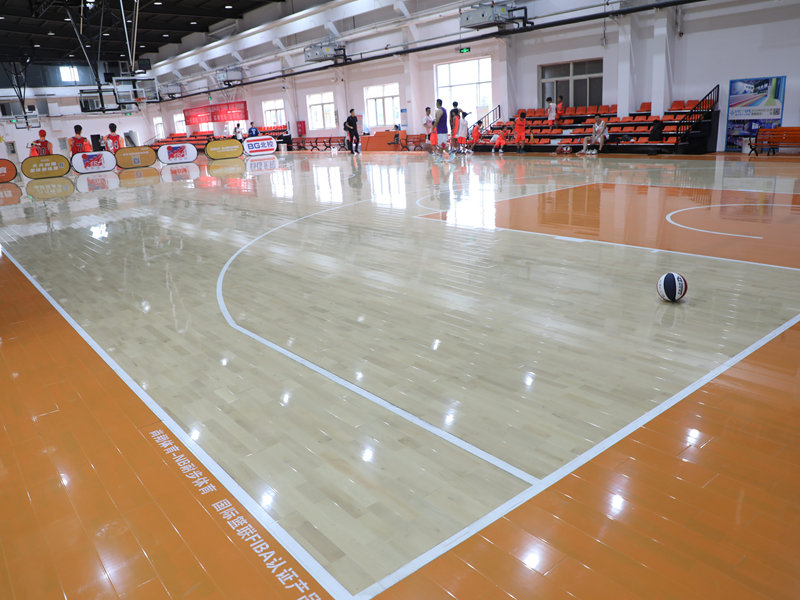
Different geographic regions with extreme climates present unique challenges for indoor basketball court wooden flooring, but these challenges can be managed successfully with the right planning and system design. In very dry desert climates, the biggest risk is extremely low indoor humidity that can cause wood planks to shrink dramatically, creating wide gaps between the boards.

Installing a high-quality humidification system as part of the facility’s HVAC setup solves this problem by adding just enough moisture to the air to keep relative humidity within the ideal 45 to 55 percent range. In hot, humid tropical climates, the main challenge is preventing excess moisture from the air from being absorbed by the wood, which can cause planks to swell, warp, and cup. In these regions, a powerful dehumidification system and a top-tier vapor barrier beneath the floor are absolutely essential to protect the wood from permanent moisture damage. In regions with very large seasonal temperature swings, the HVAC system needs to be designed to maintain consistent humidity levels all year round, even when the heating is running full blast in the winter and the air conditioning is running in the summer. With the right system design and regular monitoring, indoor basketball court wooden flooring can perform perfectly in every climate on Earth, from cold northern regions to hot tropical areas, delivering the same great playing experience for players no matter where they are located.