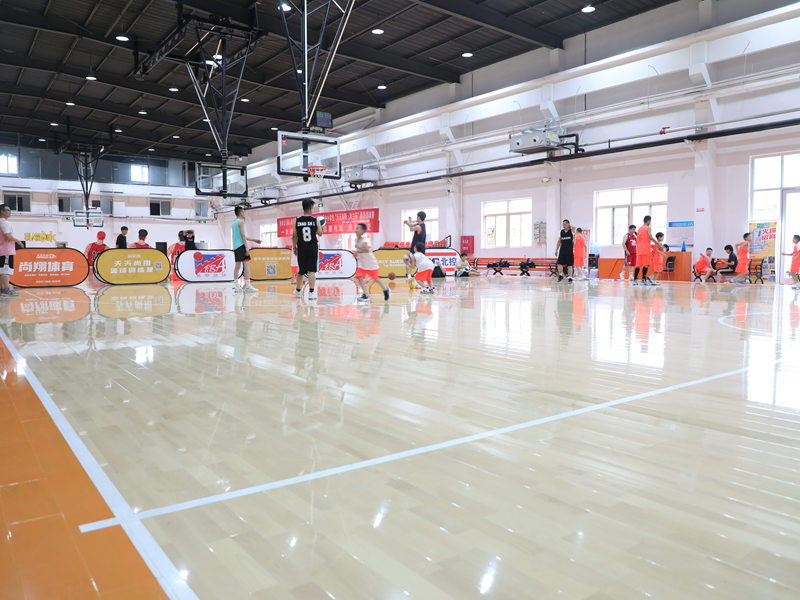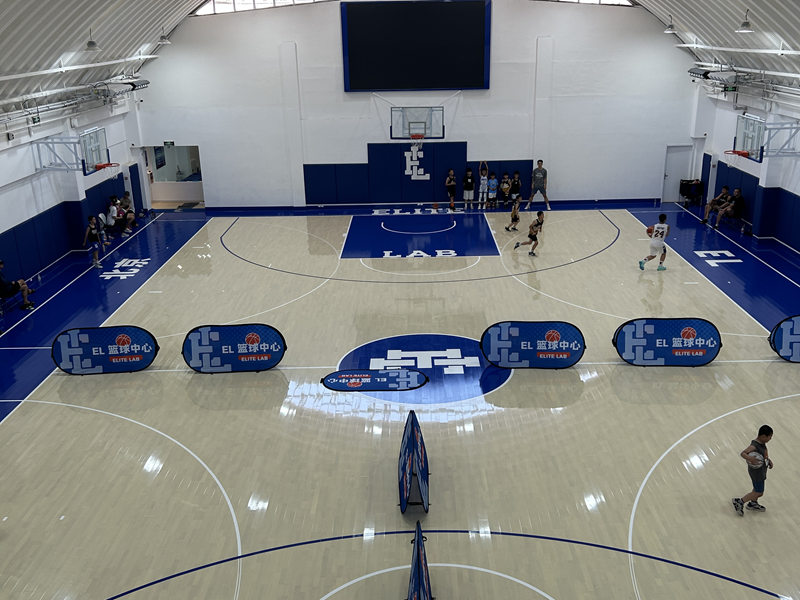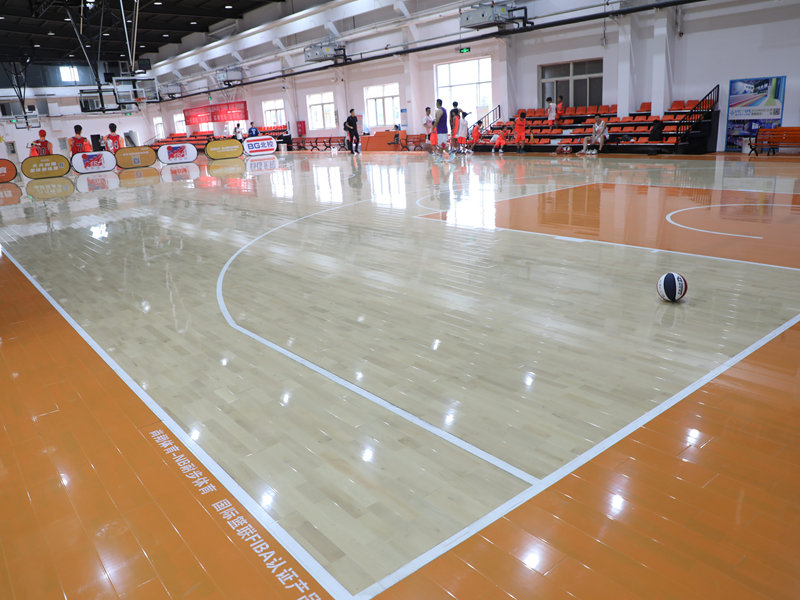
When it comes to indoor sports flooring, there is no one-size-fits-all solution. The choice of material depends on the specific sport, the level of play, and the facility’s budget.
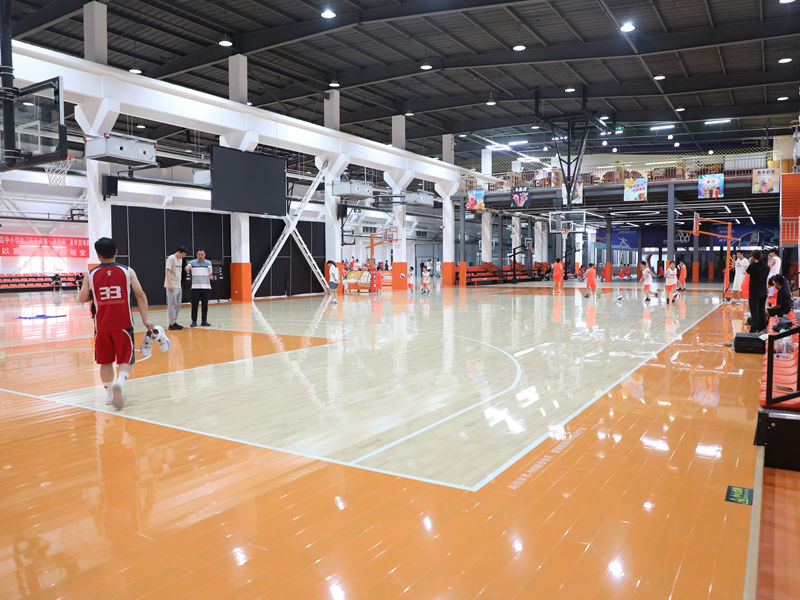
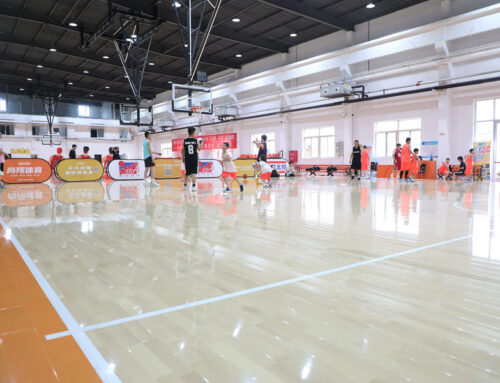
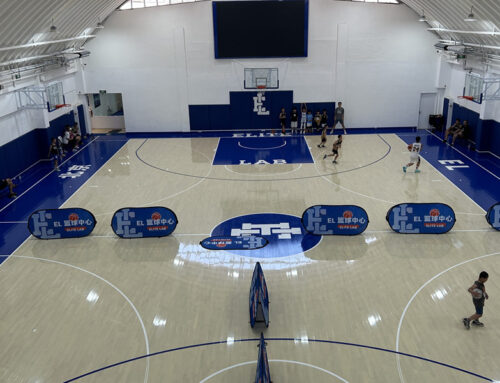
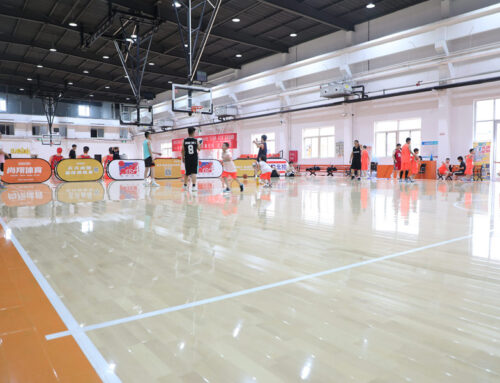
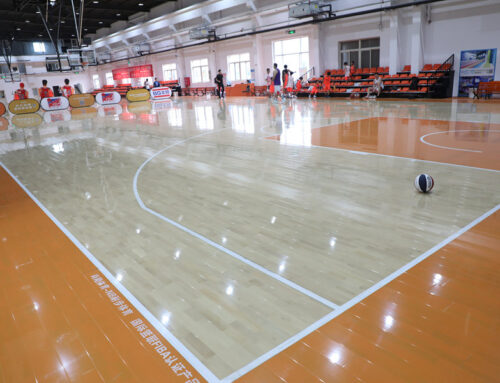
Hardwood flooring, typically made of maple, remains a popular choice for basketball courts due to its durability and aesthetic appeal. However, it requires regular maintenance and is susceptible to moisture damage. Synthetic floors, such as vinyl or polyurethane, offer a more cost-effective alternative with excellent shock absorption and slip resistance. These surfaces are often used in multi-purpose gyms and recreational centers. Rubber flooring is another versatile option, ideal for weight rooms, aerobics studios, and areas requiring high impact resistance. For specialized sports like gymnastics or dance, sprung floors with built-in shock absorption systems provide the necessary cushioning to protect athletes from injuries. Each type of flooring has its unique advantages and challenges, making it essential for facility managers to carefully evaluate their needs before making a decision.