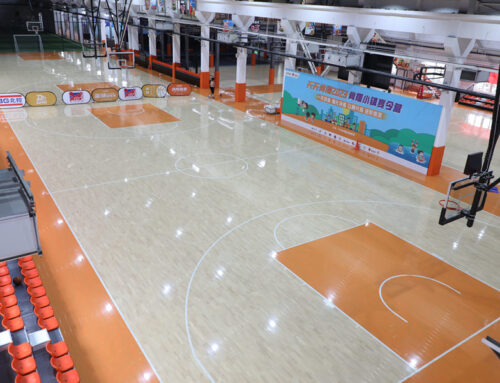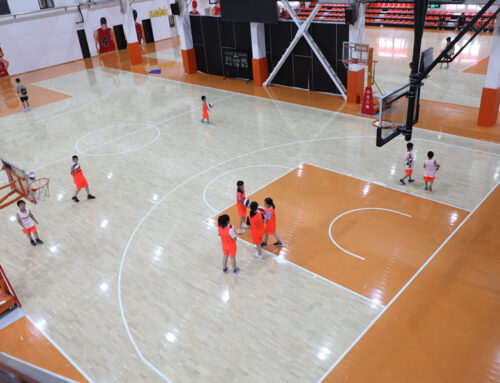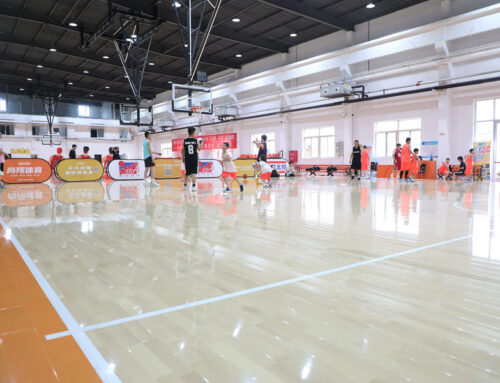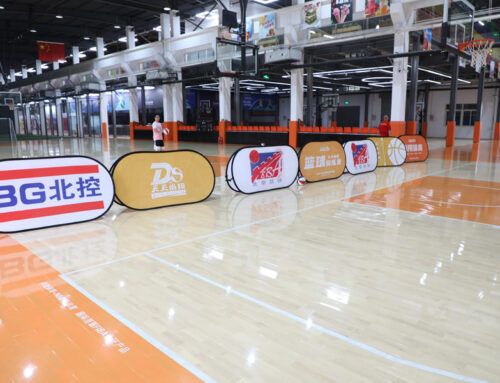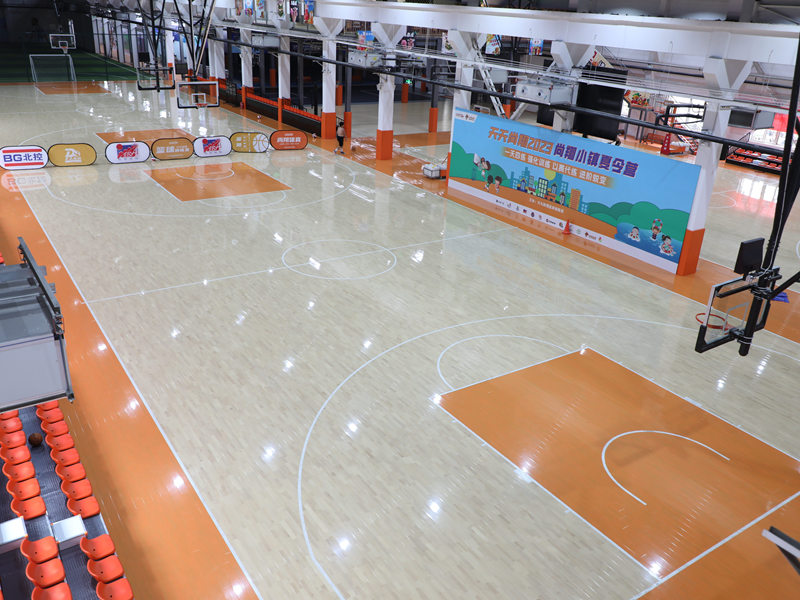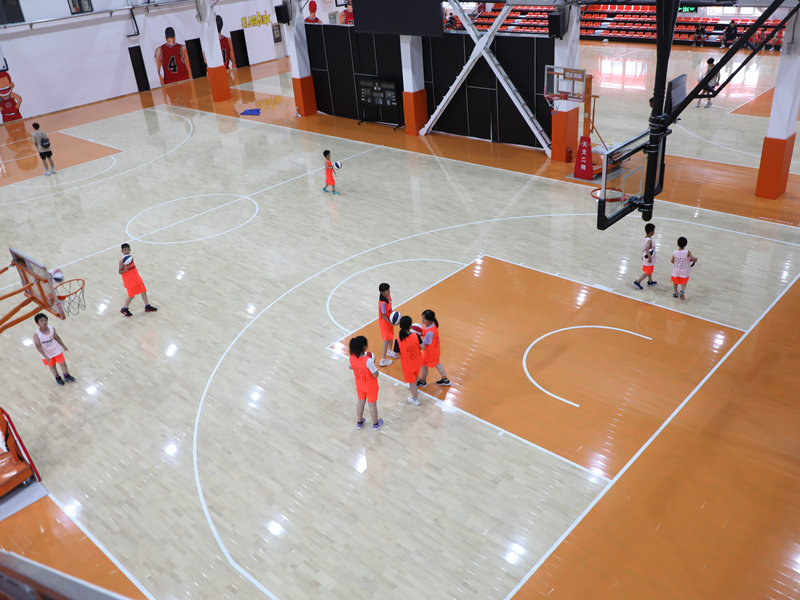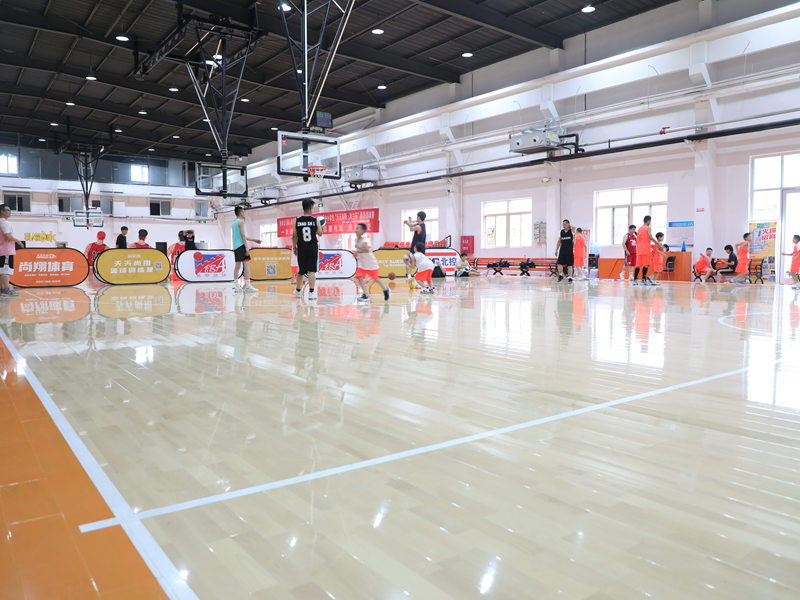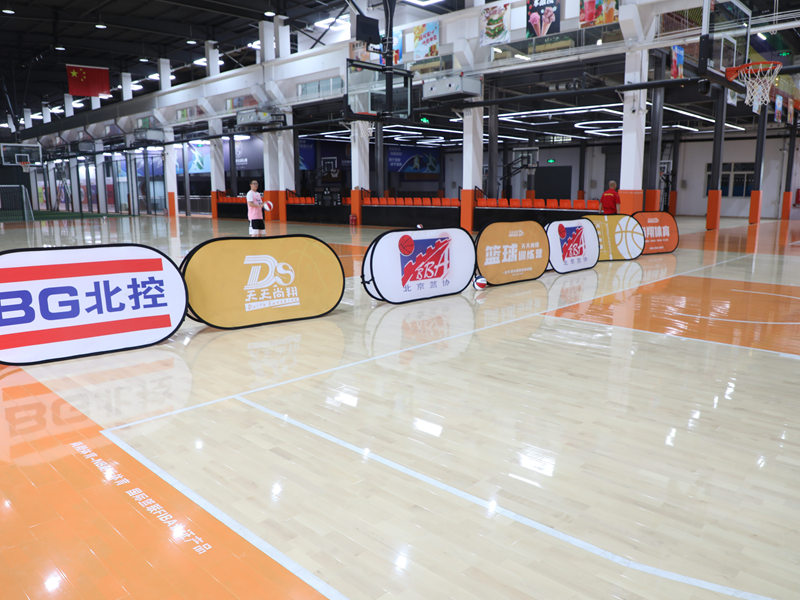
There are several types of materials used for indoor basketball court flooring, each with its own unique set of advantages and disadvantages. One of the most popular options is hardwood flooring, typically made from maple or oak. Hardwood floors are known for their excellent durability, shock absorption, and consistent ball bounce. They also provide a classic, professional look that is often associated with high-level basketball competitions. However, hardwood floors require regular maintenance, including sanding, refinishing, and cleaning, to keep them in good condition.
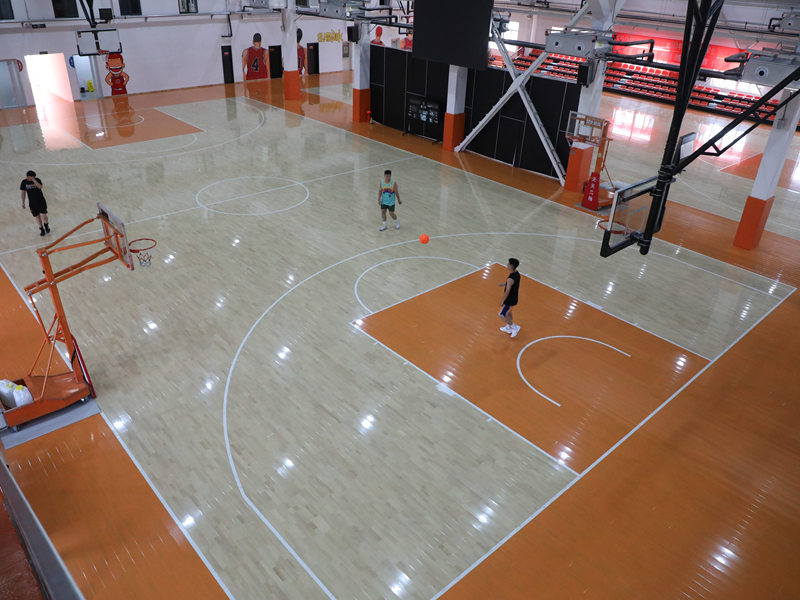
Another option is synthetic flooring, such as vinyl or rubber. Synthetic floors are more affordable than hardwood and require less maintenance. They are also resistant to moisture and stains, making them a good choice for facilities with high humidity levels or where spills are common. However, synthetic floors may not offer the same level of shock absorption as hardwood, which can increase the risk of injuries for players.
Polyurethane flooring is another popular choice for indoor basketball courts. It combines the durability of hardwood with the ease of maintenance of synthetic floors. Polyurethane floors are resistant to scratches, scuffs, and stains, and they can be easily cleaned with a mop and water. They also provide good shock absorption and consistent ball bounce, making them suitable for both recreational and competitive play.
Finally, there are also modular flooring systems available for indoor basketball courts. These systems consist of interlocking tiles that can be easily installed and removed, making them a flexible option for facilities that need to change the layout of their space frequently. Modular floors are also durable and easy to maintain, but they may not offer the same level of performance as traditional hardwood or polyurethane floors.