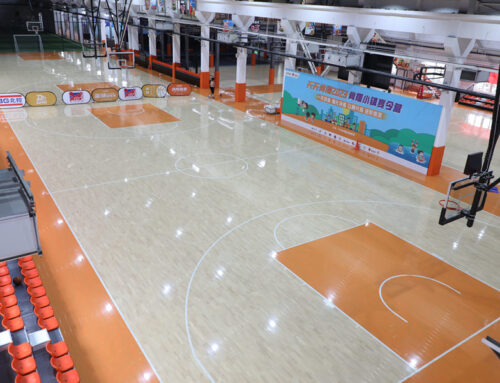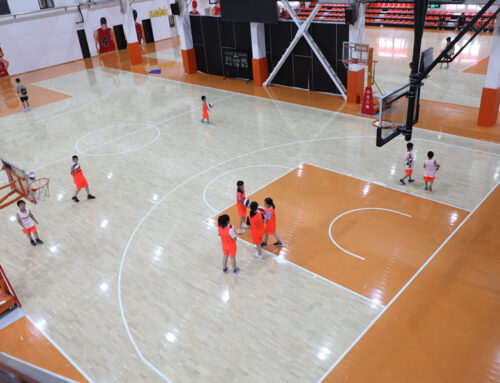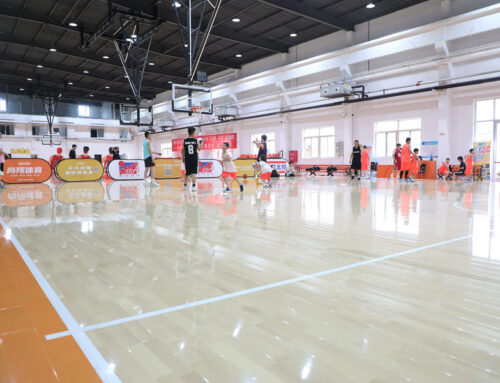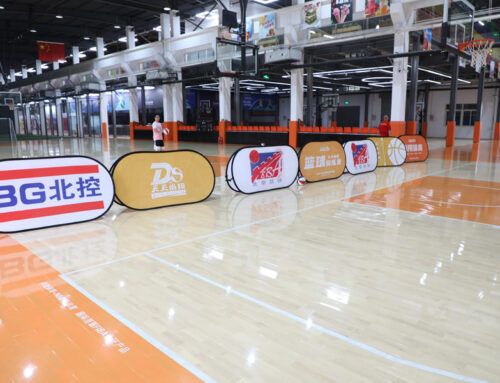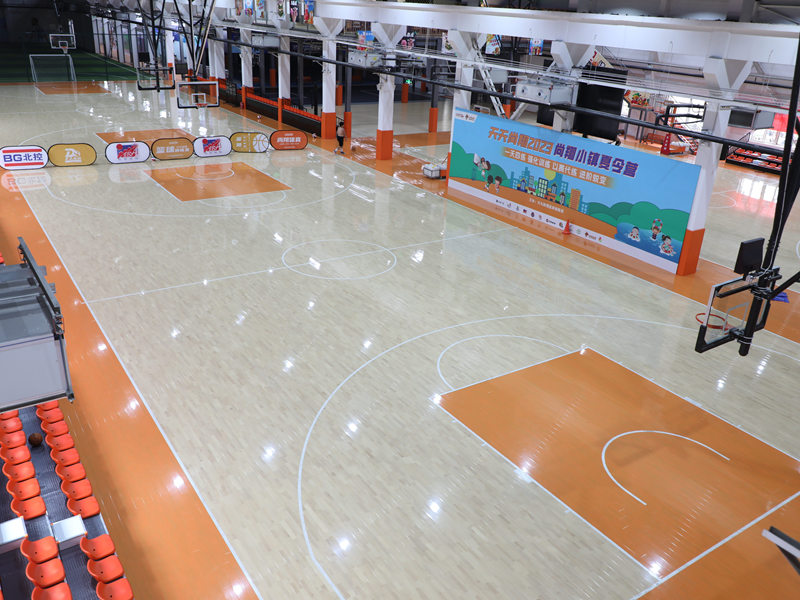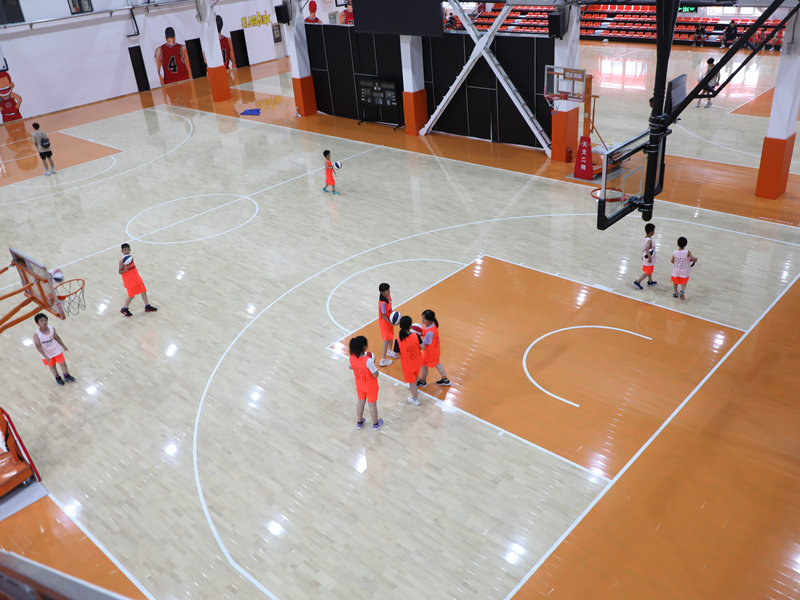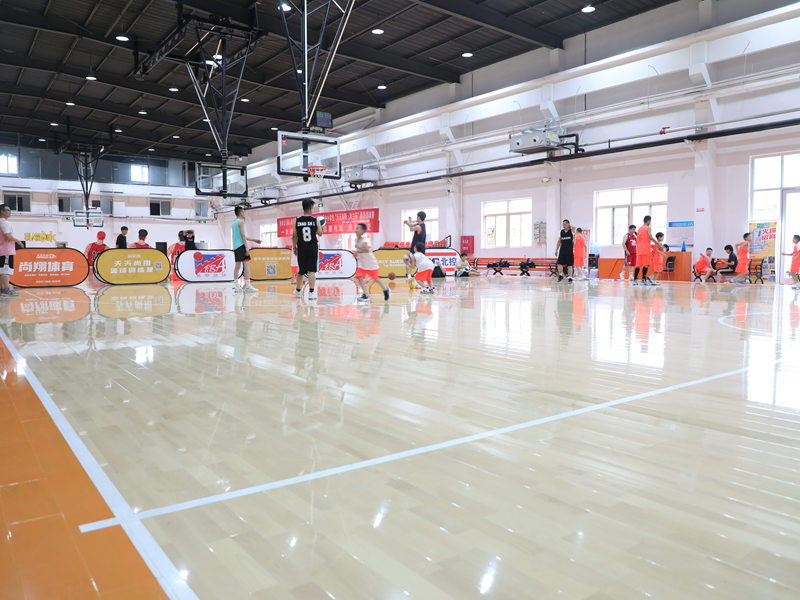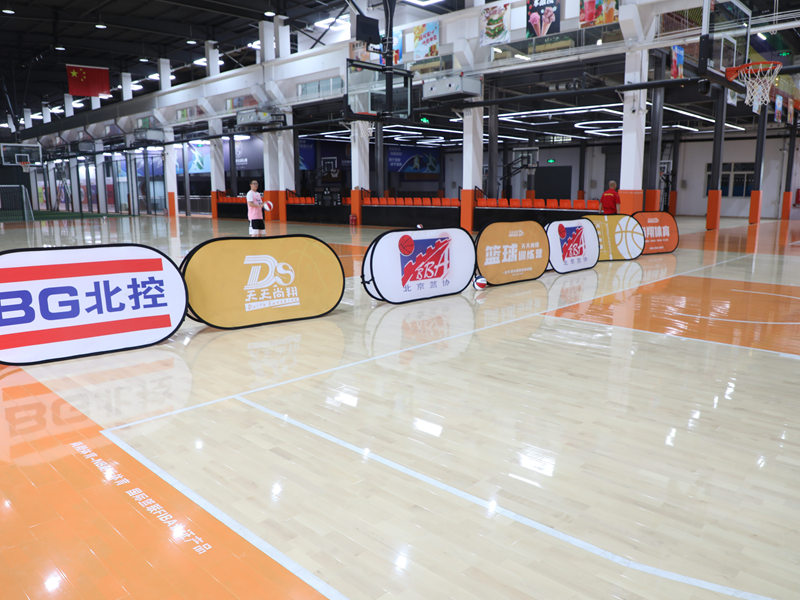
Choosing sports flooring is a significant capital investment, and the decision extends far beyond the initial purchase price. A true evaluation must consider total cost of ownership, operational efficiency, and environmental impact over a decade or more. NaiBu modular indoor basketball court wood flooring excels in this comprehensive analysis, presenting a compelling case for its long-term economic and sustainable value. It transforms the traditional cost center of a sports floor into a model of efficiency, durability, and ecological responsibility, proving that the highest quality can also be the most prudent financial and environmental choice.
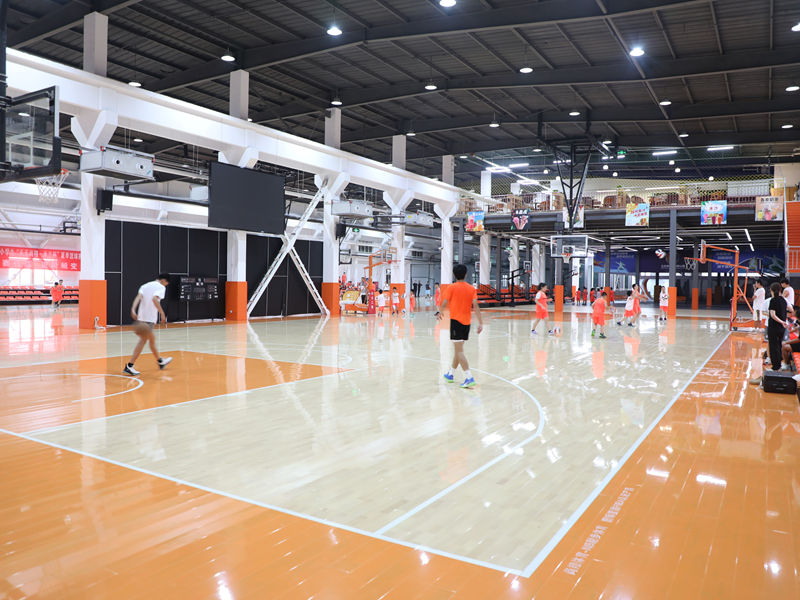
From a financial perspective, NaiBu’s durability is its first line of defense against long-term costs. The engineered wear layer and robust finish are designed to withstand the punishing schedule of a high-traffic venue—be it a school gym hosting daily PE classes, a commercial club with back-to-back league games, or a professional arena. The surface resists scuffing, staining, and wear from athletic shoes, maintaining its professional appearance and consistent playability for over 20 years with proper care. This extraordinary lifespan means the amortized annual cost of the floor becomes remarkably low. Contrast this with lower-quality surfaces that may require full replacement in 5-8 years, incurring not only a new capital outlay but also the substantial indirect costs of extended venue closure. NaiBu’s modular design further reduces operational expenses. Routine maintenance is simplified to dry mopping and occasional damp cleaning, avoiding the costly and disruptive periodic sanding and refinishing mandatory for traditional nailed hardwood floors. The ability to perform isolated repairs, as mentioned, prevents small issues from becoming major renovation projects.
Environmentally, NaiBu’s philosophy is integrated into every stage of its lifecycle. The wood is sourced from certified sustainable forests, ensuring responsible stewardship of resources. The factory-controlled manufacturing process maximizes material yield and minimizes waste compared to on-site fabrication. The modular, reusable nature of the product is perhaps its most significant green advantage. At the end of its long service life in one location, the flooring can be disassembled and reinstalled in another, or its components can be efficiently recycled, drastically reducing landfill waste. This stands in stark contrast to traditional floors, which are typically torn out and discarded. Furthermore, the use of low-VOC, environmentally friendly finishes and adhesives contributes to superior indoor air quality from day one, protecting the health of athletes and staff. By choosing NaiBu, venue owners are not only investing in a superior playing surface but also making a conscious decision to reduce their environmental footprint. They secure a durable asset that delivers unwavering performance, minimizes lifetime expenses, and aligns with modern principles of sustainability—a winning combination that defines true value in today’s market.