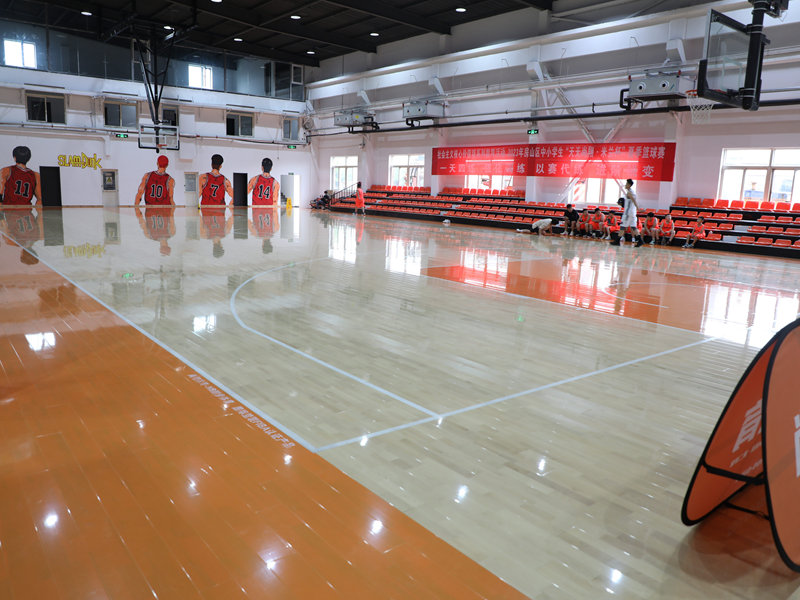
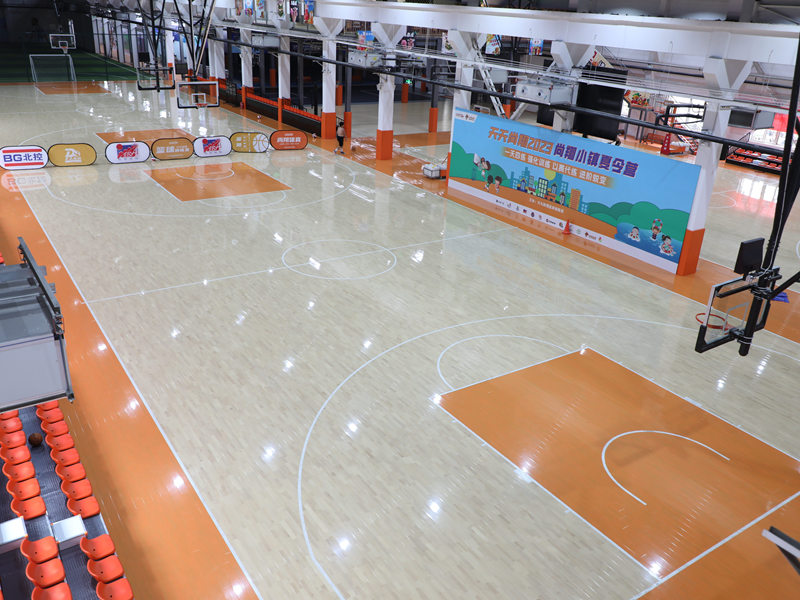
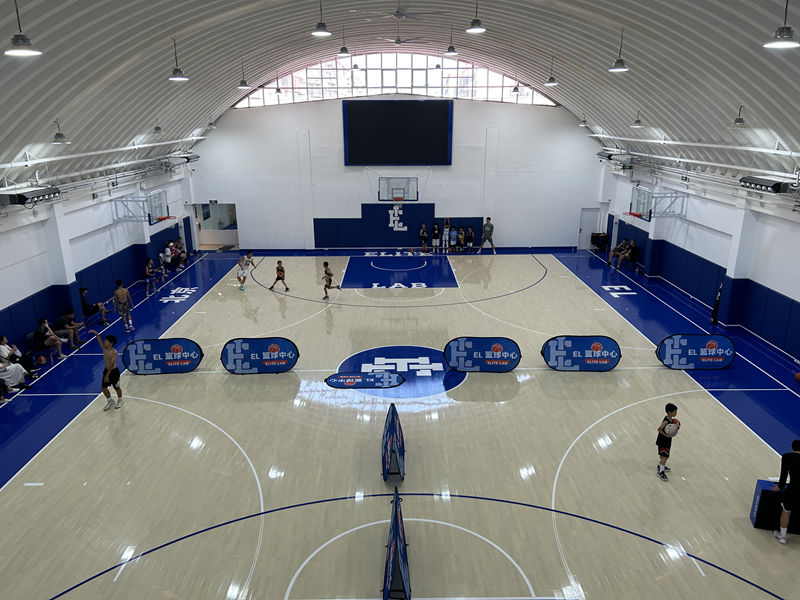
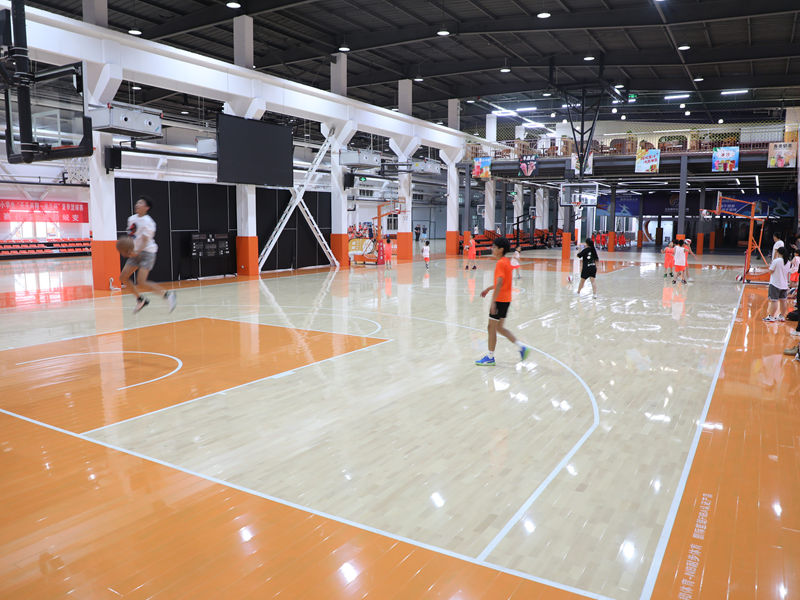
The shock absorption performance of modern indoor basketball court wood flooring is the result of decades of careful engineering and biomechanical research, designed specifically to protect athletes from the repetitive impact forces that are unique to basketball. Engineers measure this performance using a metric called “percentage force reduction,” which calculates how much of the impact force from a standard weighted drop test is absorbed by the floor rather than being transferred directly back to the athlete’s body. International sports governing bodies set minimum standards for this metric, requiring that competitive basketball courts offer at least 30 percent force reduction to meet safety requirements, and many high-quality wood flooring systems far exceed this minimum standard to provide even better protection for players.

This shock absorption does not come from a single soft layer; it is created by the entire layered structure of the indoor basketball court wood flooring system working in harmony. The top hardwood layer is hard enough to provide responsive, stable footing that does not feel spongy or unpredictable underfoot, while the subfloor system beneath it incorporates resilient pads and carefully engineered gaps that compress slightly under impact. This combination creates what engineers call “controlled deflection,” where the entire surface gives a small, consistent amount when force is applied, before springing back to its original shape immediately after the load is removed. This is the key difference between a good sports wood floor and a regular residential hardwood floor: a residential floor is designed to be as hard and rigid as possible, while a sports floor is intentionally designed to have a small, carefully calibrated amount of controlled flexibility.
Another important performance metric for indoor basketball court wood flooring is called “vertical deformation,” which measures how much the floor dips downward under a standard heavy load. If the vertical deformation is too high, the floor will feel soft and spongy, making players feel like they are sinking slightly when they push off to jump, which reduces their performance and can even cause ankle injuries. If the vertical deformation is too low, the floor feels as hard as concrete, offering no shock absorption benefit at all. The best wood flooring systems are calibrated to have a vertical deformation of between 2 and 5 millimeters, a tiny amount of movement that players can barely consciously feel, but that makes a massive difference in reducing joint stress and preventing fatigue over the course of a long game. This perfect balance of firmness and give is what makes high-quality wood floors feel so natural and responsive to play on.