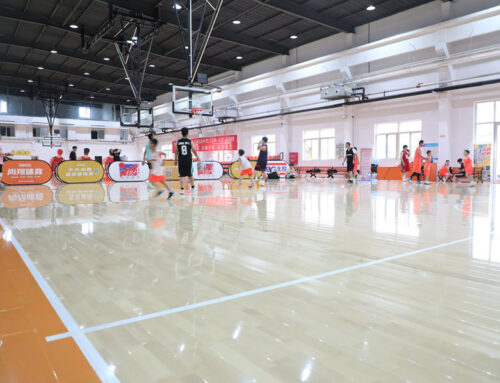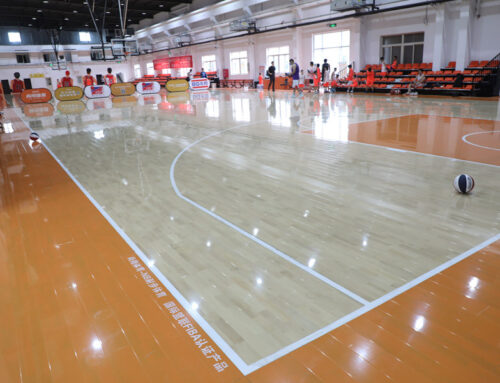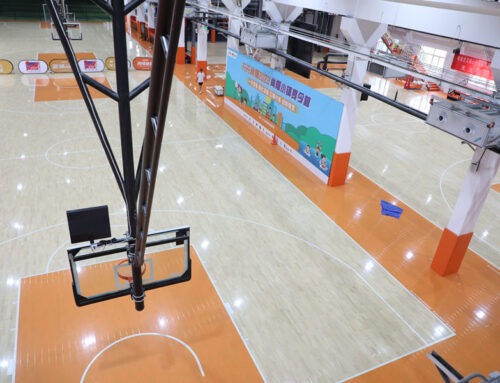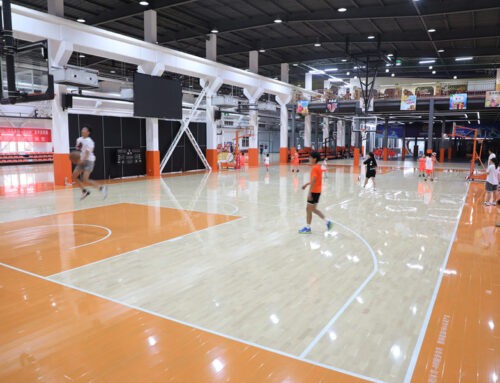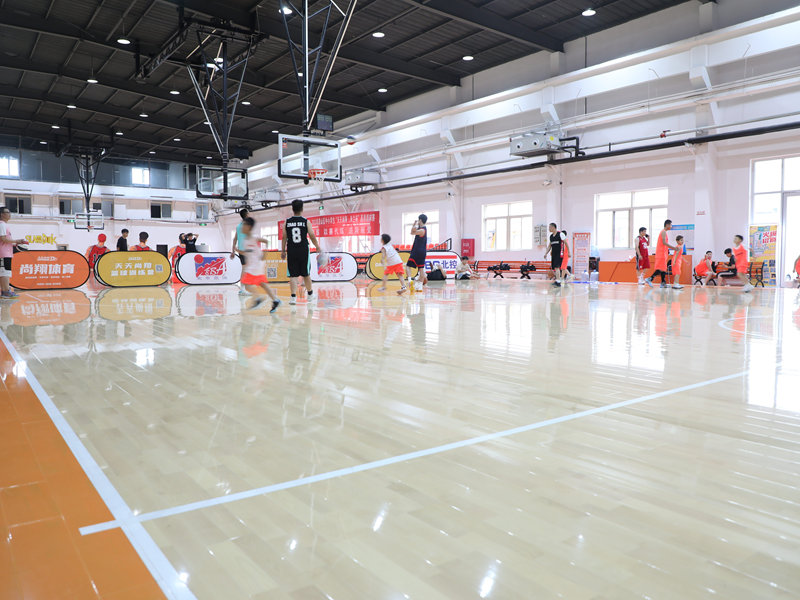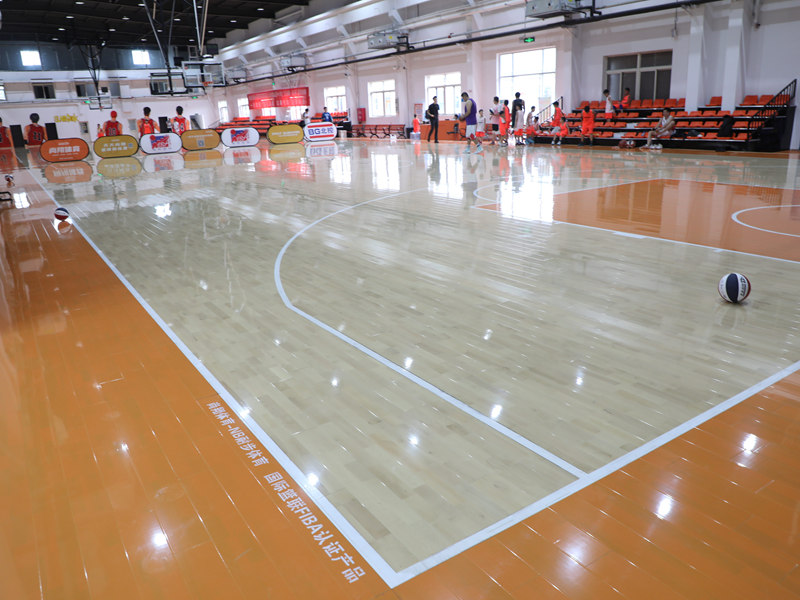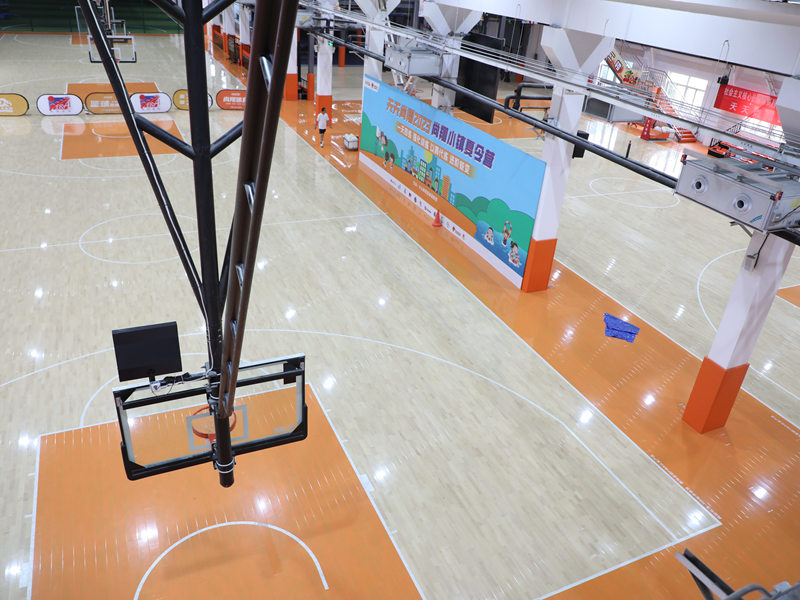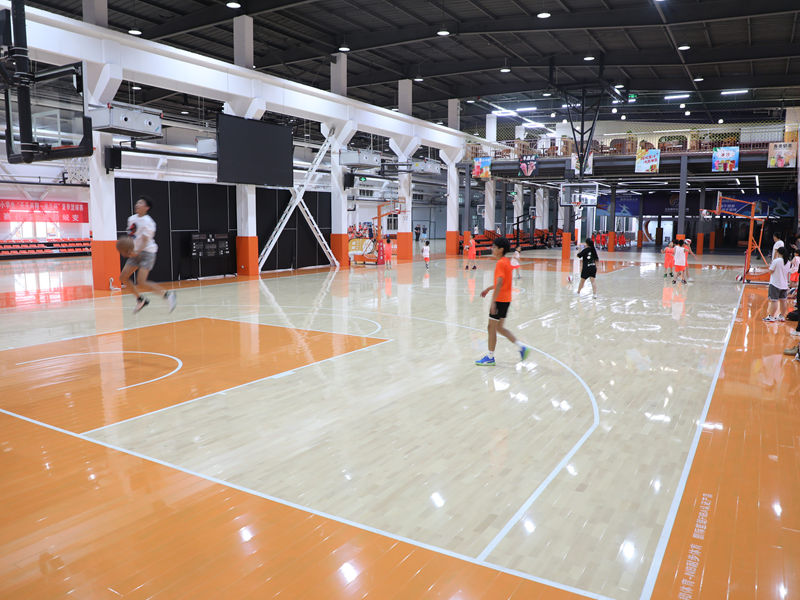
Underlayment plays a crucial role in the performance of indoor basketball wood flooring, providing shock absorption, stability, and moisture protection. While the hardwood surface is the most visible component of a basketball court, the underlayment is equally important in ensuring a safe and high-performance playing environment.
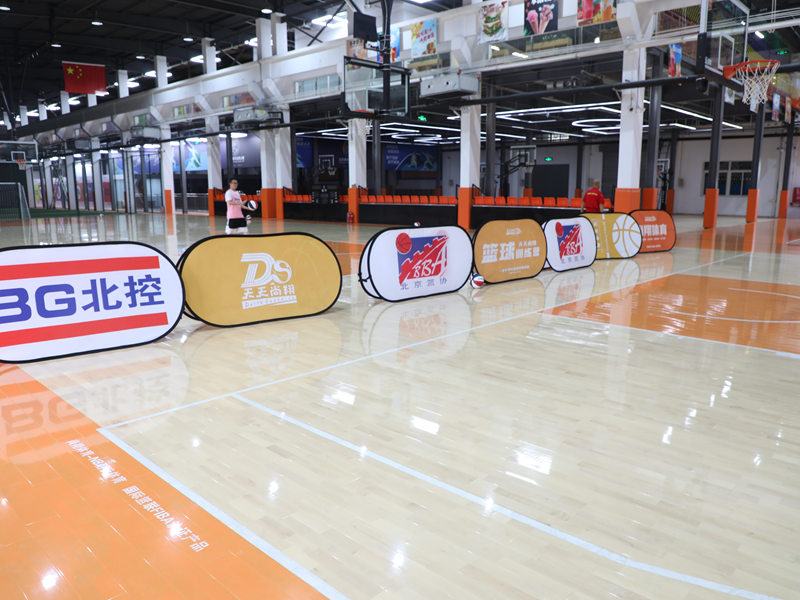
One of the primary functions of underlayment is to absorb shock and reduce impact forces. Basketball involves a lot of jumping and running, which can put significant strain on players’ joints and muscles. A high-quality underlayment helps distribute these forces evenly across the floor, reducing the risk of injury and providing a more comfortable playing experience.
Underlayment also provides stability to the hardwood surface, preventing it from shifting or moving during play. This is especially important in areas with high foot traffic or heavy equipment, as it helps maintain the integrity of the floor and prevents damage. Additionally, underlayment can help reduce noise levels, creating a more pleasant environment for players and spectators.
Moisture protection is another critical aspect of underlayment. Wood is susceptible to damage from moisture, which can cause warping, cracking, or rotting. A moisture-resistant underlayment helps prevent water from seeping into the wood, protecting it from long-term damage and extending its lifespan.
Overall, the role of underlayment in indoor basketball wood flooring performance cannot be overstated. It provides essential shock absorption, stability, and moisture protection, ensuring a safe, high-performance playing environment for athletes of all levels.