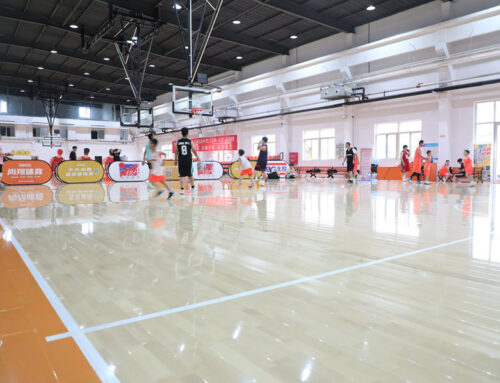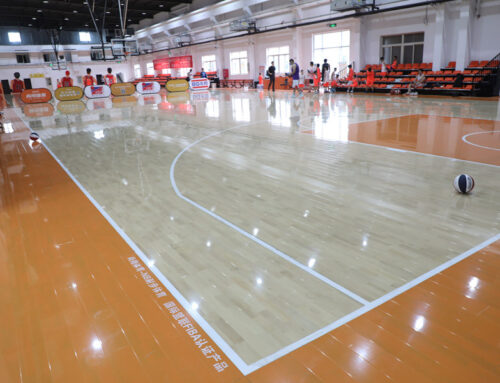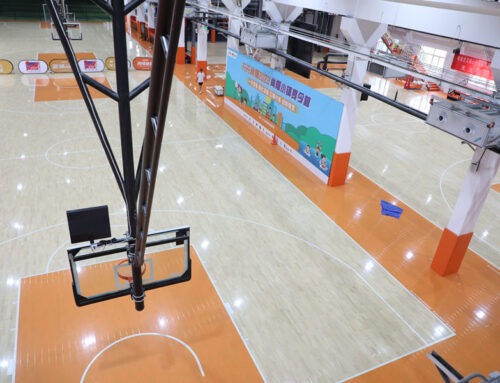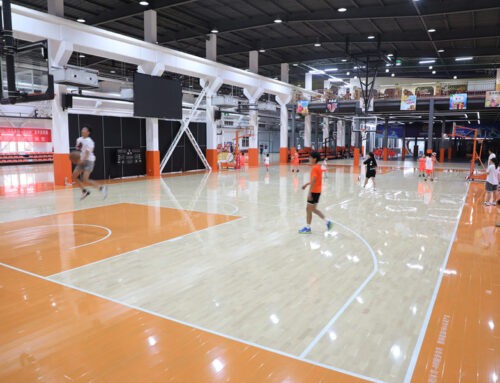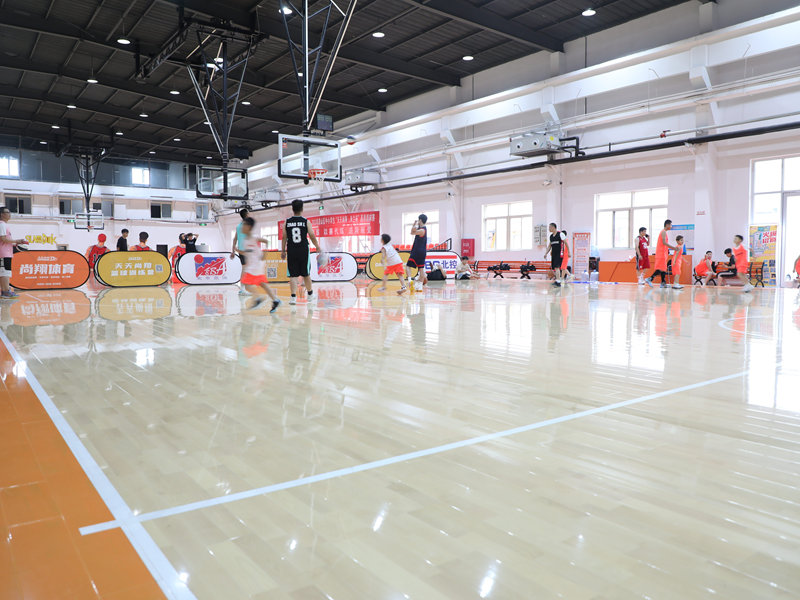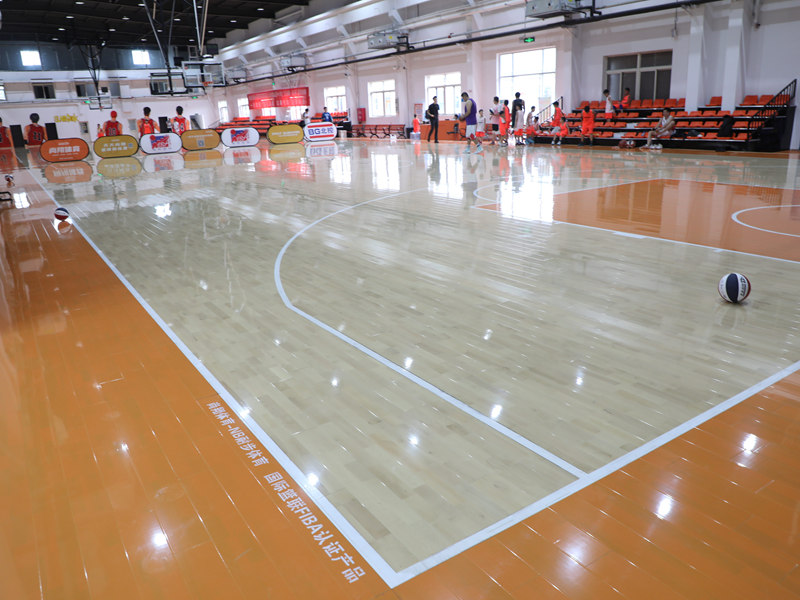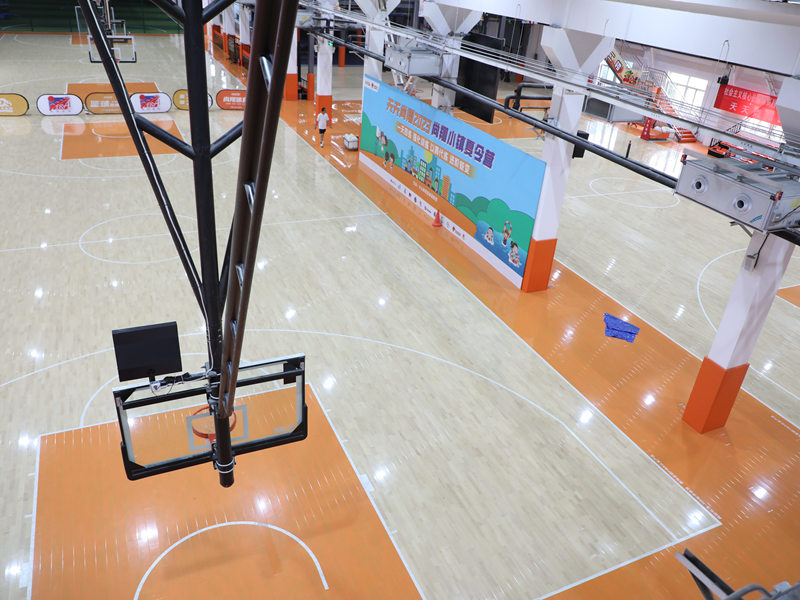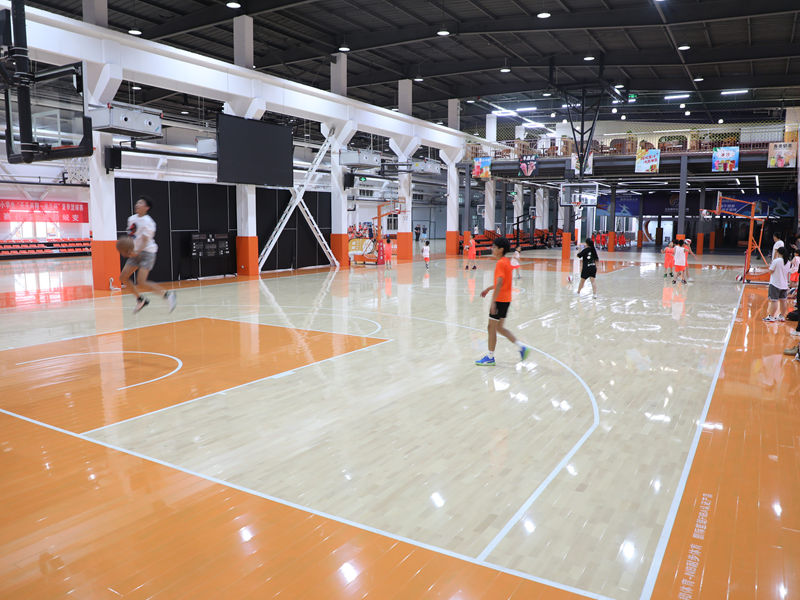
Proper installation of indoor sports wood flooring is crucial for ensuring its long – term performance and safety. The first step in the installation process is to prepare the sub – floor. It must be level, dry, and free of any debris or contaminants. An uneven sub – floor can cause the wood flooring to warp or buckle over time, leading to an uneven playing surface and potential safety hazards.
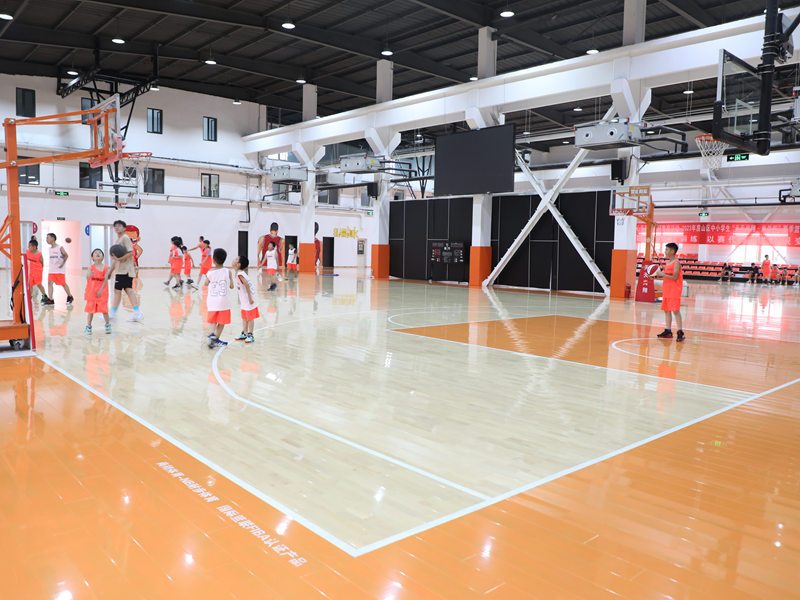
Once the sub – floor is ready, the choice of installation method is important. As mentioned earlier, the floating system is a popular option. In this method, the individual wood planks are connected to each other using tongue – and – groove joints or other interlocking mechanisms. This allows the floor to move slightly as a unit, accommodating changes in temperature and humidity without causing damage.
Another key aspect of installation is the use of appropriate adhesives and fasteners. If adhesives are used, they must be of high quality and compatible with the wood and sub – floor materials. Fasteners, such as nails or screws, should be placed at the correct intervals to ensure a secure and stable installation.
Proper ventilation during and after installation is also essential. Wood is a natural material that can release moisture as it acclimates to the environment. Good ventilation helps to prevent the build – up of moisture, which can lead to mold and mildew growth and damage the flooring. By following these installation guidelines, sports facilities can ensure that their indoor sports wood flooring provides a safe and high – performing surface for years to come.