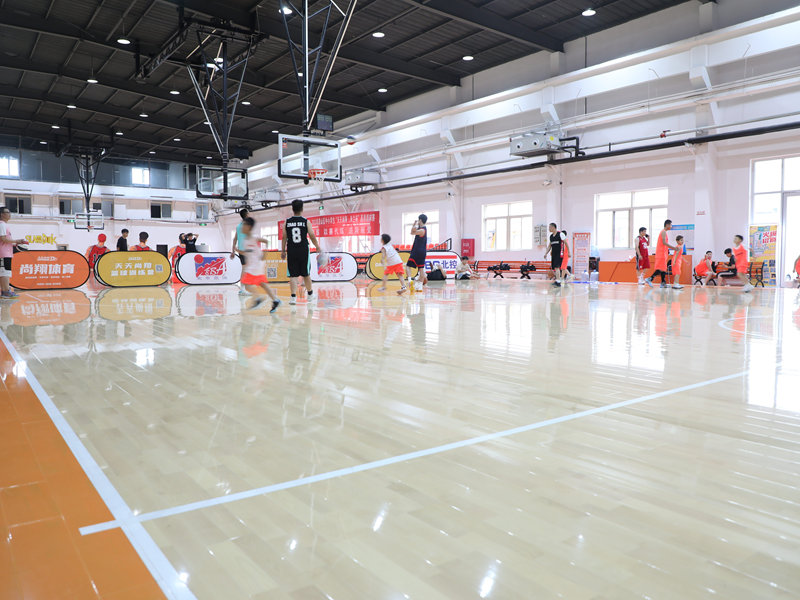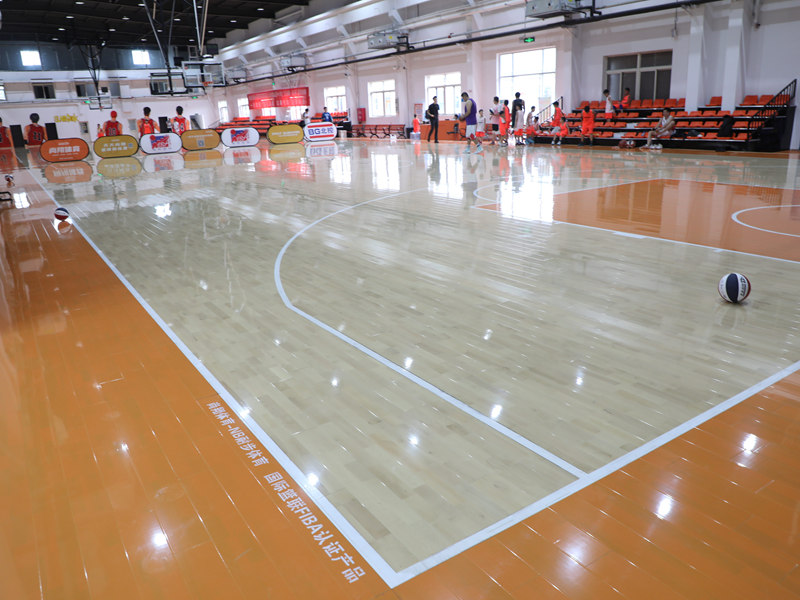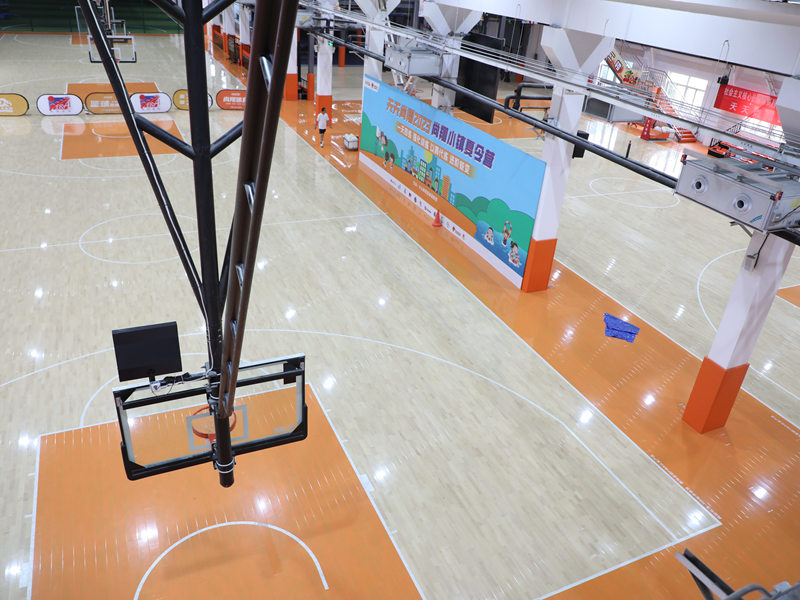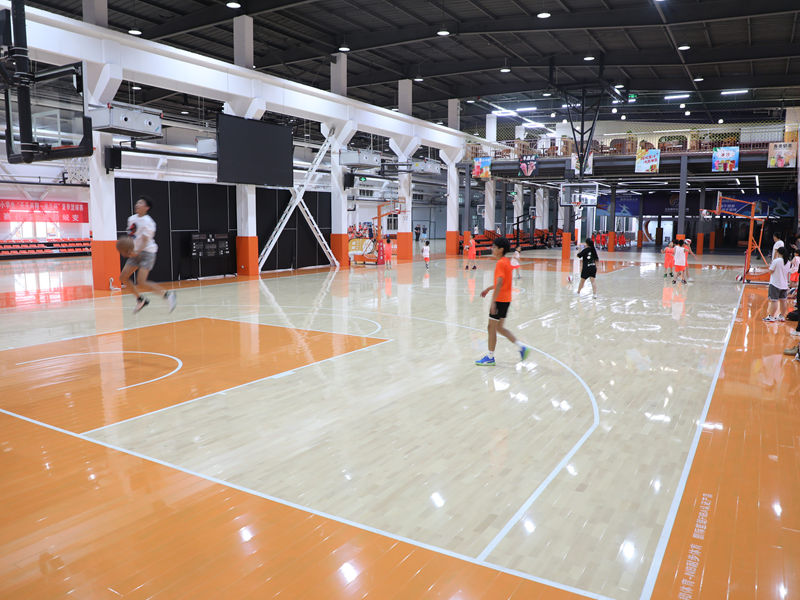
Acoustic design plays a crucial role in the overall experience of indoor basketball wood flooring, affecting not only the sound quality within the facility but also the comfort and safety of players and spectators. Proper acoustic design helps reduce noise levels, improve speech intelligibility, and create a more enjoyable environment for everyone involved.
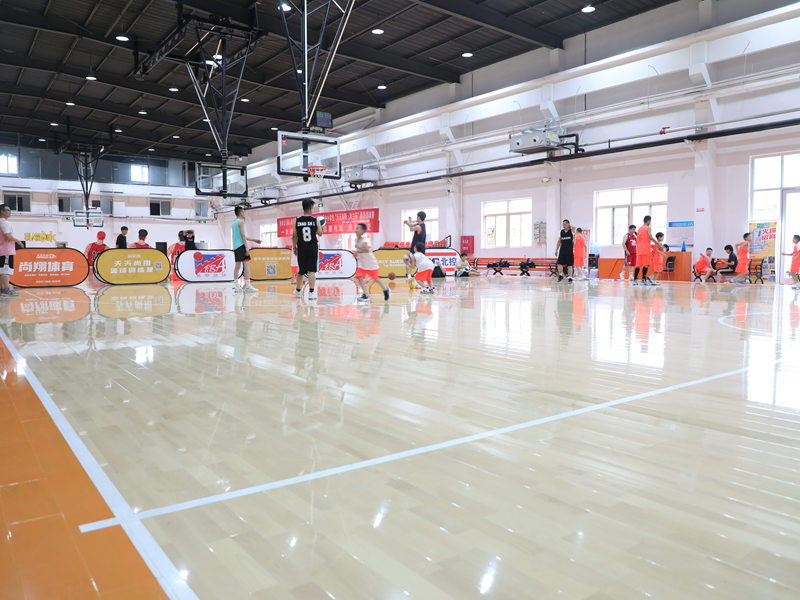
One of the key considerations in acoustic design for indoor basketball courts is the absorption of sound energy. Hardwood floors, while durable and visually appealing, can also reflect sound waves, creating echoes and reverberation that can impair speech intelligibility and increase noise levels. To mitigate this, acoustic panels or baffles can be installed on the walls or ceiling to absorb sound energy and reduce reverberation.
Another important aspect of acoustic design is the control of ambient noise. Basketball courts are often located in multi-use facilities or near other noisy areas, such as gyms or weight rooms. Proper insulation and soundproofing measures can help prevent external noise from interfering with the game, ensuring a more focused and enjoyable experience for players and spectators.
Acoustic design also affects the perception of the court’s size and shape. Properly designed acoustics can make the court appear larger and more open, enhancing the playing experience for athletes. Additionally, good acoustics can help create a more intimate and engaging environment for spectators, improving their overall experience at the game.
Overall, the importance of acoustic design in indoor basketball wood flooring cannot be overstated. It helps reduce noise levels, improve speech intelligibility, and create a more enjoyable environment for players and spectators alike, ensuring a high-quality experience for everyone involved.