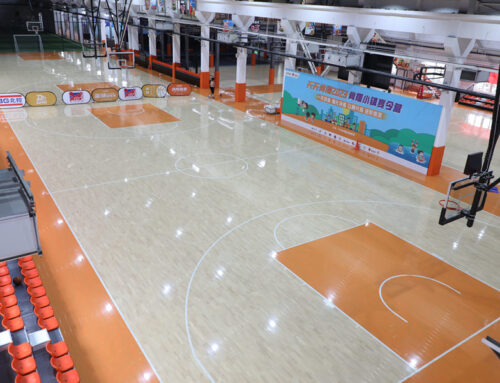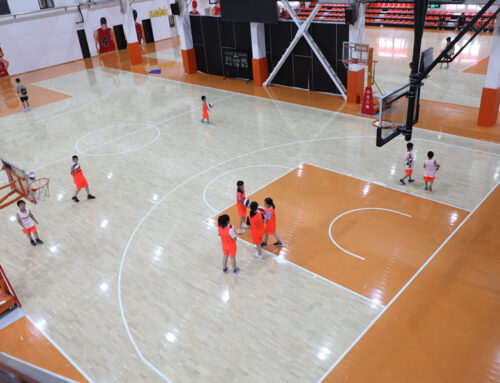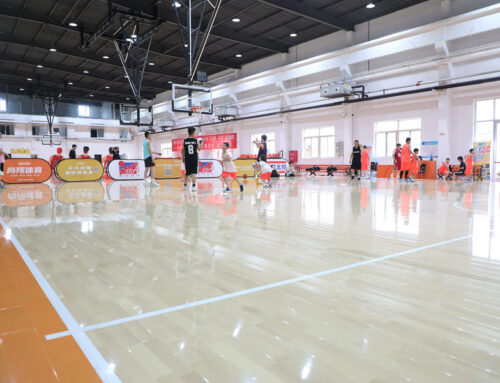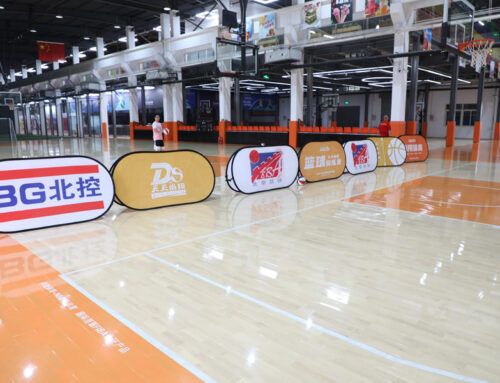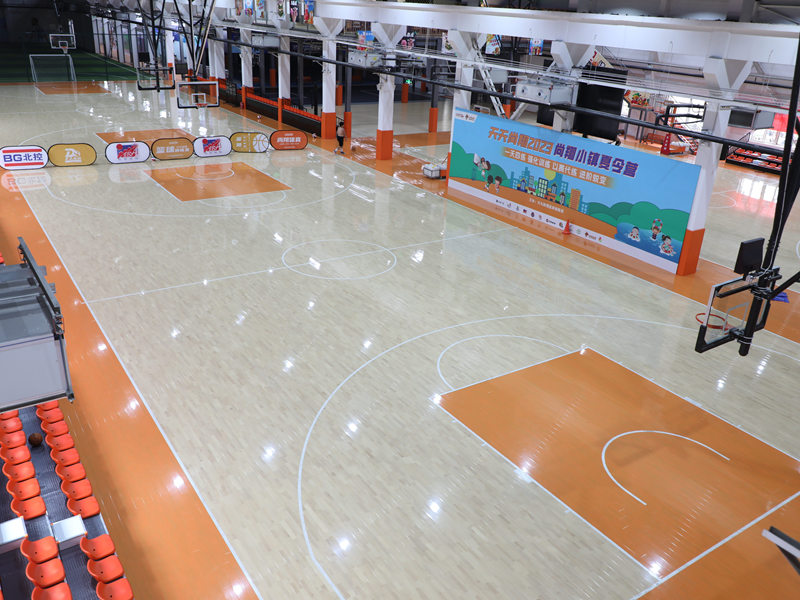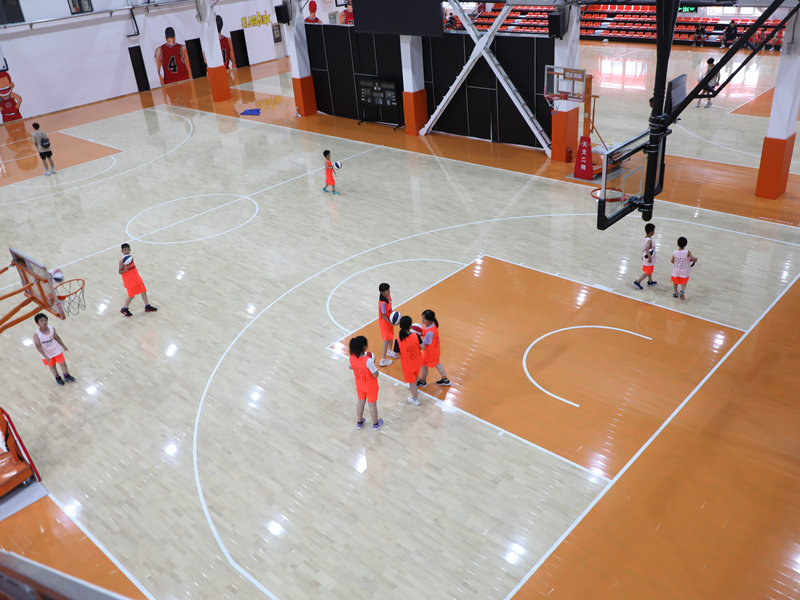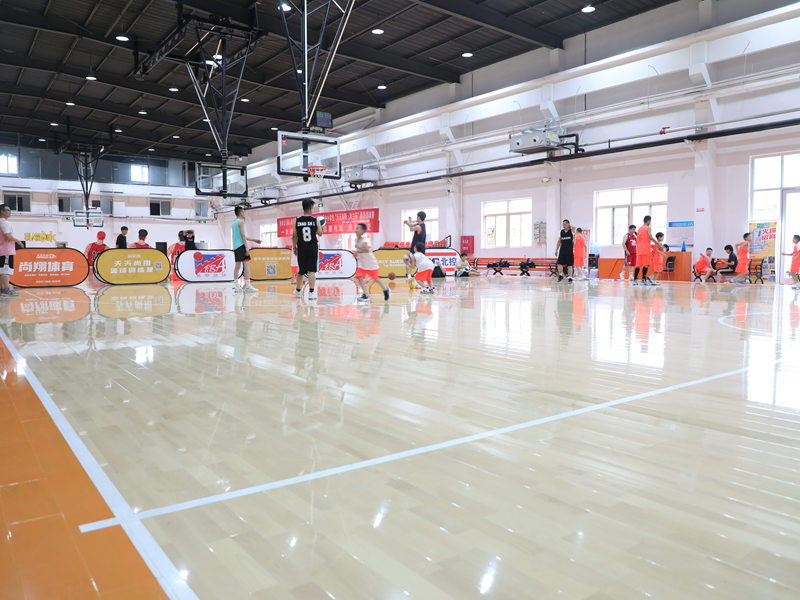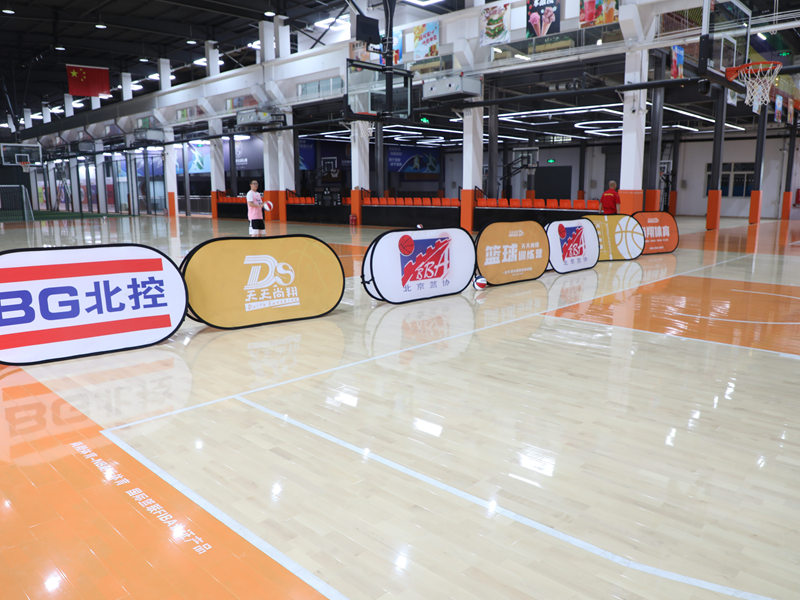
As the global sports industry continues to evolve, modular sports wood flooring is positioned to become the dominant athletic surface choice for indoor facilities of all sizes in the coming decades. New advances in material science are making the panels even more durable, lighter, and more environmentally friendly, while retaining all the premium performance characteristics of traditional wood surfaces.
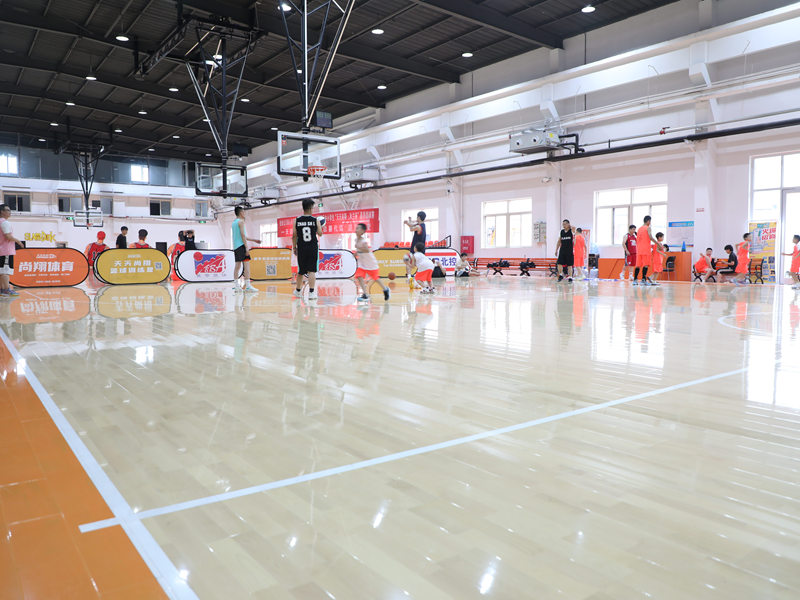
Future generations of modular wood systems will integrate smart sensor technology directly beneath each panel, allowing facilities to track real-time impact force, foot traffic volume, and wear patterns across the court. This data will help facility managers optimize their maintenance schedules, identify high-wear zones before they develop problems, and even provide athletes with performance feedback about their movement patterns on the court. The growing focus on flexible, multi-use spaces in urban areas will also drive more demand for modular systems, since cities are increasingly looking to maximize the use of every public indoor space, rather than building single-purpose dedicated sports arenas. Modular sports wood flooring allows a single public building to serve as a sports court, an event venue, a community gathering space, and a temporary disaster relief shelter, all without any permanent modifications to the structure. This multi-functionality will make it an essential technology for building more resilient, flexible urban communities in the future. As more athletes, facility managers, and community members experience the benefits of modular wood surfaces, the old model of permanent, single-purpose fixed sports wood flooring will gradually be replaced by these smarter, more versatile, more sustainable modular systems. The future of indoor athletics is flexible, adaptable, and accessible to everyone, and modular sports wood flooring is at the very center of this transformation.