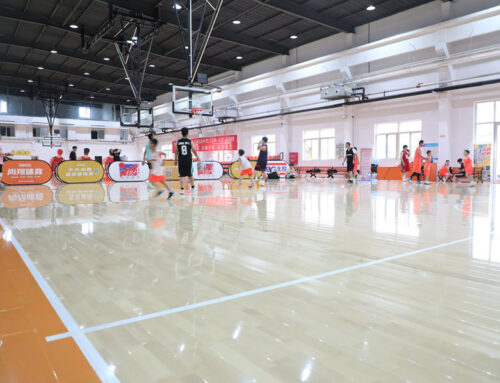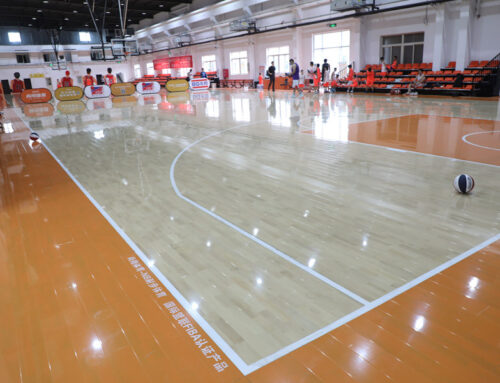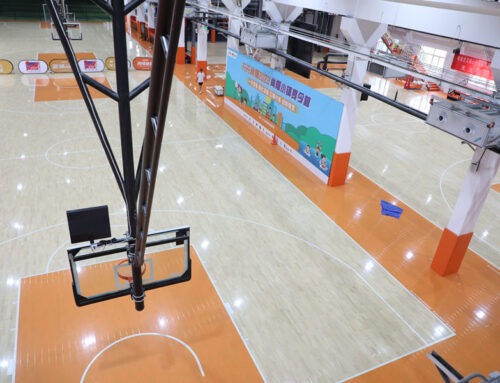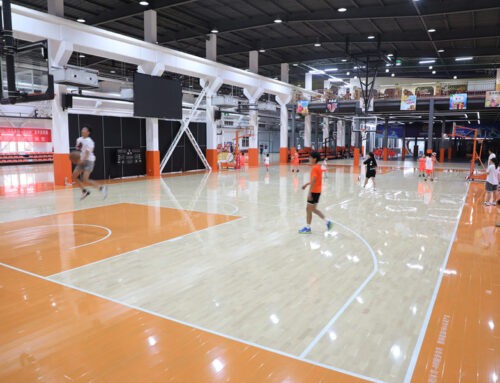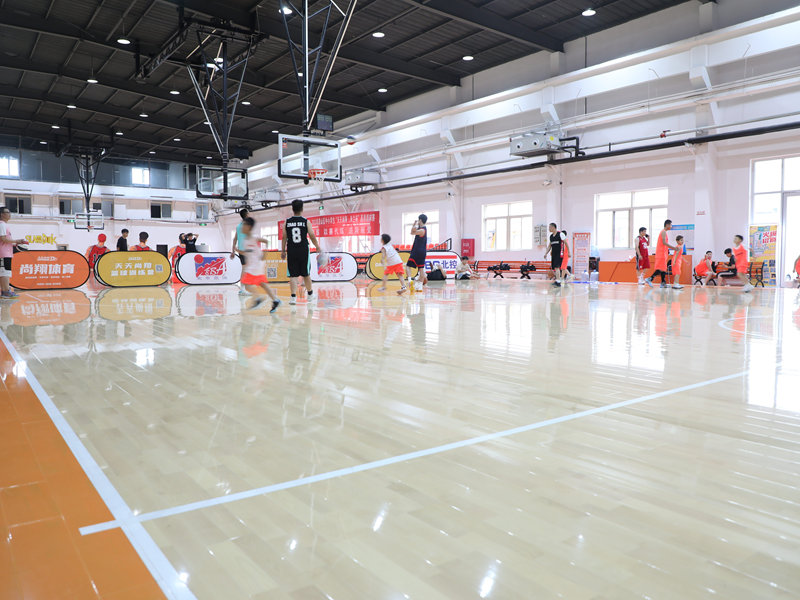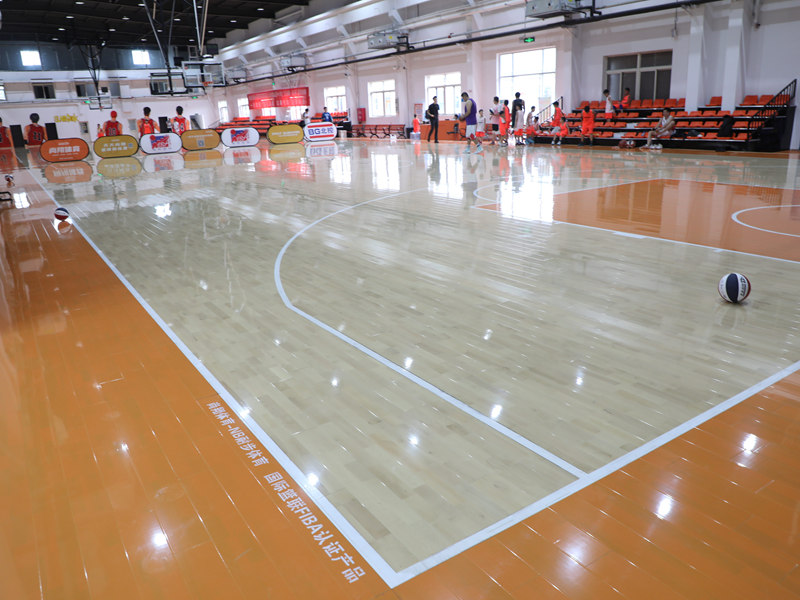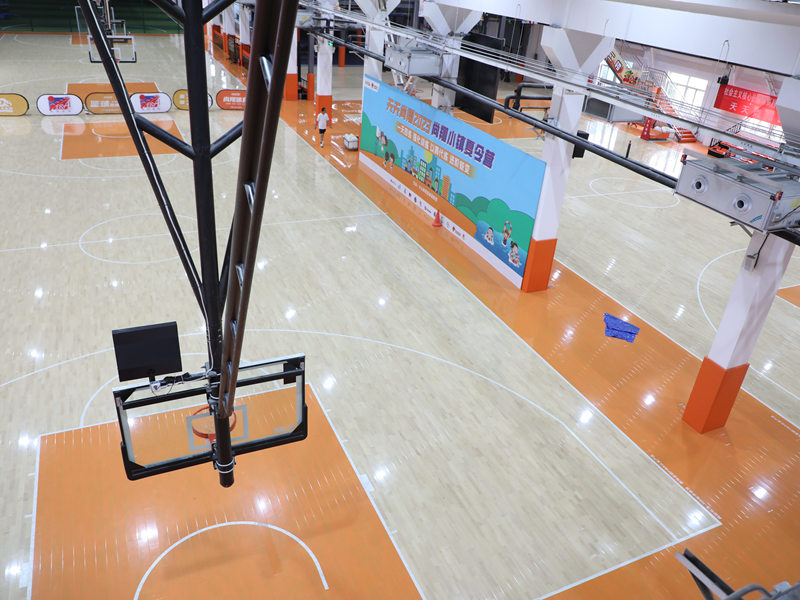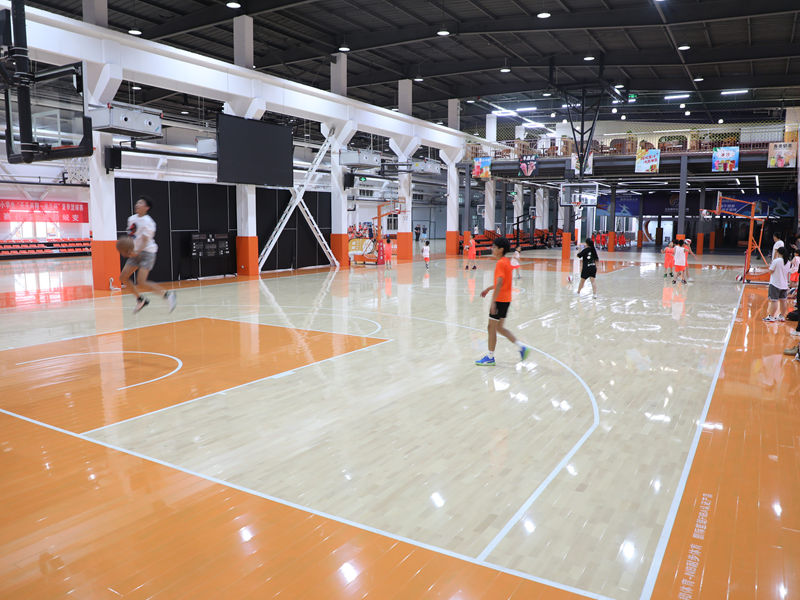
Indoor basketball wood flooring has been around for over a century, and in that time, it has evolved from simple planks nailed to joists into a high-tech engineered system backed by sports science. But the evolution is far from over. Several emerging trends and innovations are poised to transform the basketball wood floor of the future.
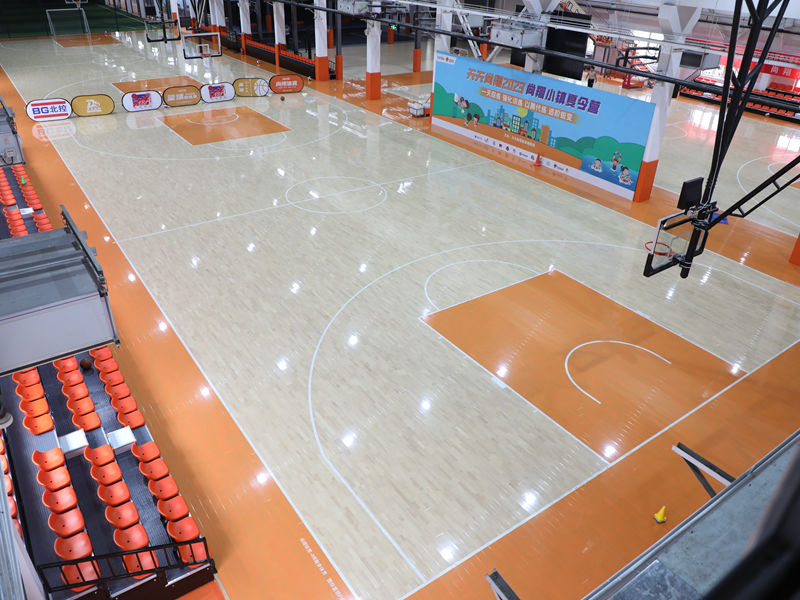
The first trend is smart flooring. Sensors embedded in the subfloor system can now measure impact forces, ball bounce consistency, traction levels, and temperature in real time. This data is transmitted to a central system that alerts facility managers when the floor is drifting out of spec. For example, if the traction drops below the safe threshold, the system can automatically schedule a recoating. If the flatness shifts beyond tolerance, it can flag a maintenance issue before it affects play. Some professional arenas are already using this technology, and it will become standard within the next decade.
The second trend is enhanced subfloor engineering. New materials are being developed for shock pads that offer better energy return and more precise tuning. Instead of a more environmentally friendly. Some manufacturers are now offering floors with carbon-neutral certification, meaning the entire lifecycle of the product — from forest to installation to end of life — has a net-zero carbon impact.
The fourth trend is modular and reconfigurable systems. As multi-purpose facilities become more common, the demand for floors that can be quickly converted from basketball to volleyball, badminton, or fitness use is growing. New modular subfloor systems allow facility managers to change the shock absorption and friction characteristics of the floor in hours, not days. This makes it possible to host multiple sports in the same space without compromising performance on any of them.
The fifth trend is advanced finish technology. Nano-coatings and ceramic-infused finishes are offering unprecedented durability and more precise traction control. These finishes resist scratches, stains, and wear far better than traditional coatings, extending the time between refinishing cycles. Some experimental finishes even have self-healing properties, where minor scratches close over time due to the chemistry of the coating.
The sixth trend is data-driven design. Computational modeling and artificial intelligence are being used to design subfloor systems that are optimized for specific buildings, specific climates, and specific usage patterns. Instead of relying on generic specifications, facilities can now order a floor that is custom-engineered for their exact conditions. This level of precision was impossible even ten years ago.
The seventh trend is health and wellness integration. As the focus on athlete wellness grows, flooring is being designed not just for performance but for recovery. Some new subfloor systems are engineered to reduce joint stress and improve circulation. The goal is a floor that not only prevents injury but actively contributes to faster recovery and longer athletic careers.
Indoor basketball wood flooring has always been about the pursuit of a better playing surface. That pursuit continues. The floor of the future will be smarter, greener, more durable, and more precisely tuned than anything we have today. But at its core, it will still be wood — the same material that has served basketball players for over a century, now refined by the best science and engineering the world has to offer. The game has changed. The floor has changed with it. And it is not done changing yet.