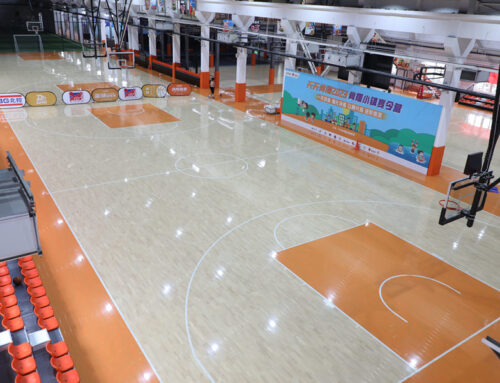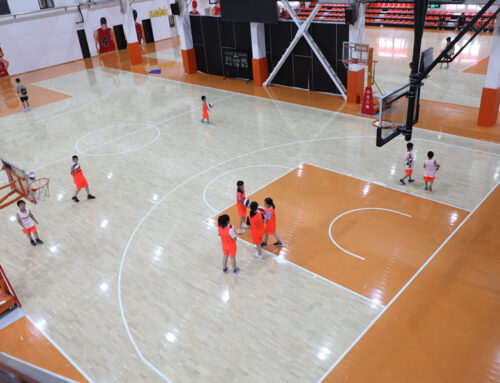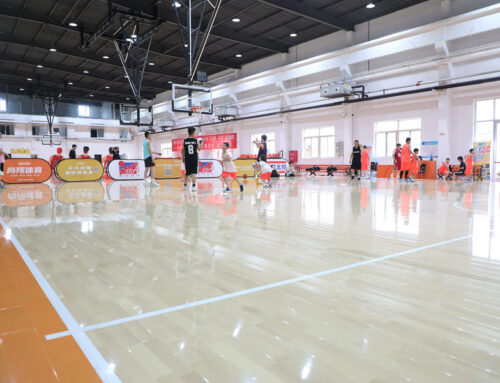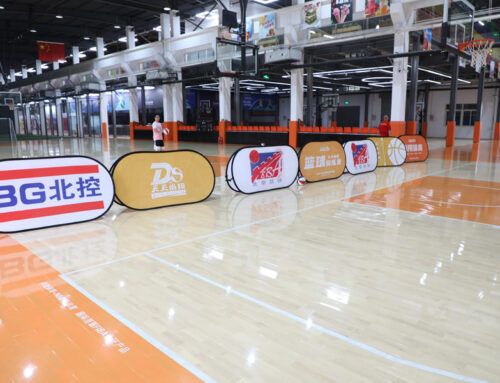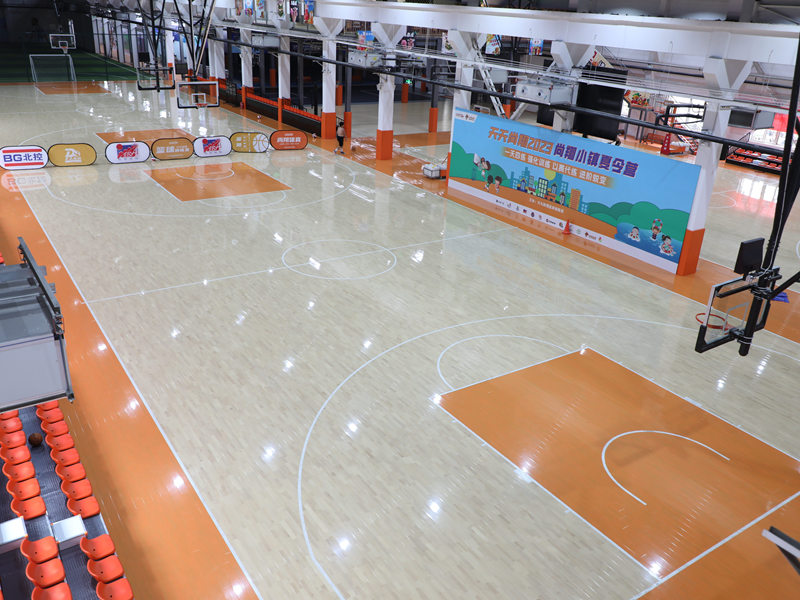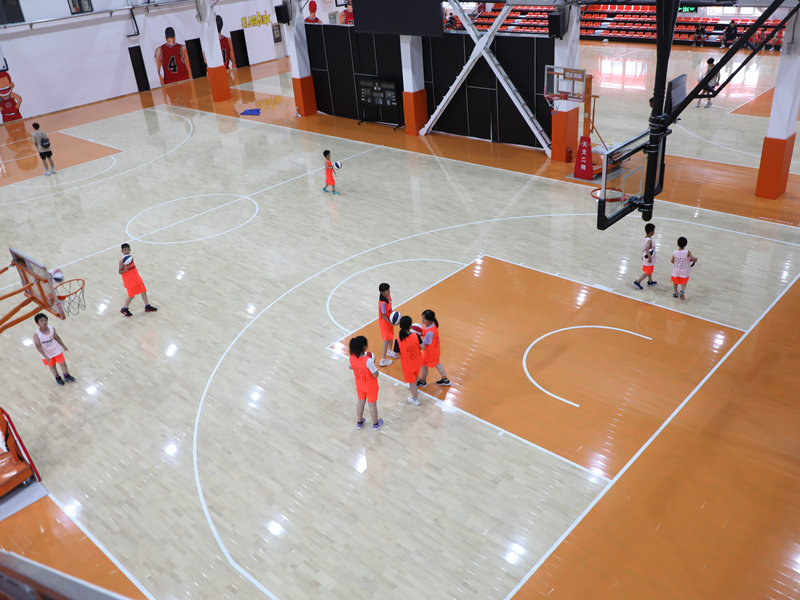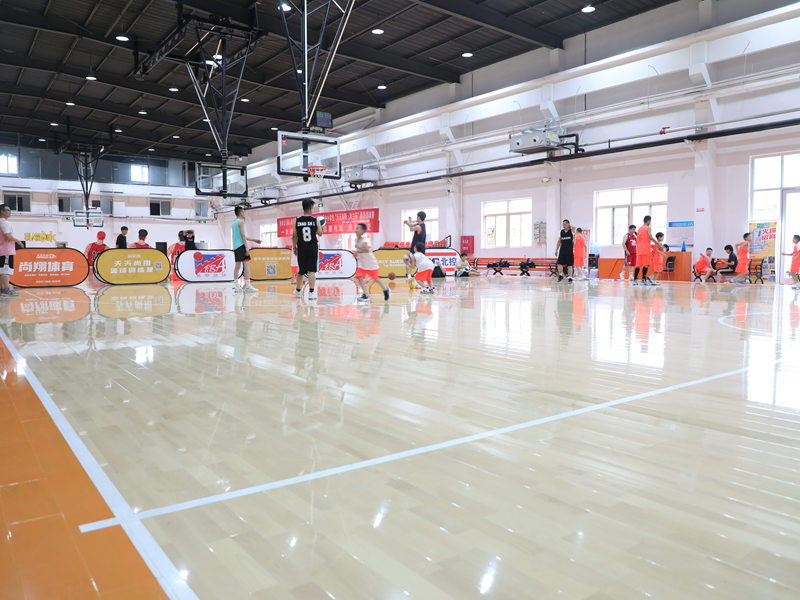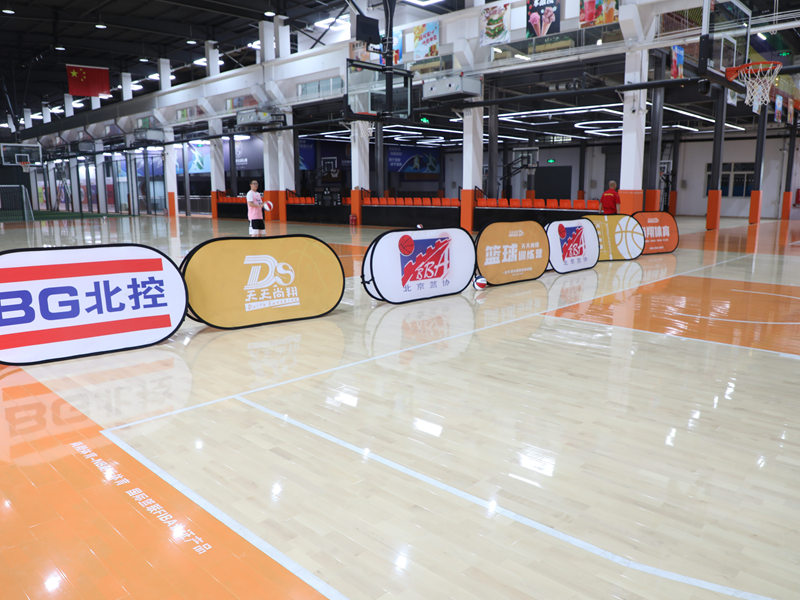
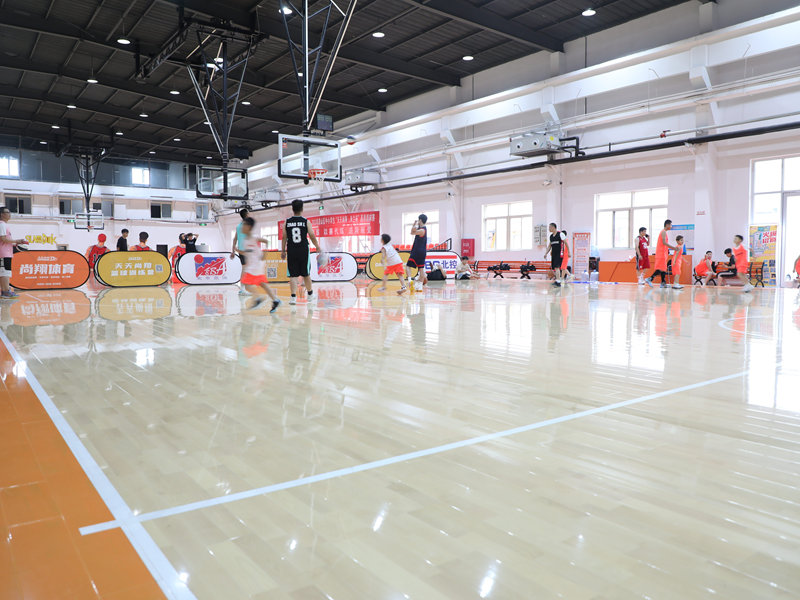
Indoor sports flooring has undergone a remarkable transformation over the decades, evolving from simple wooden planks to sophisticated, high-performance materials designed to enhance athletic performance and safety. Initially, wooden floors were the norm, providing a basic yet functional surface for basketball courts and gymnasiums. However, these floors were prone to warping, required frequent maintenance, and lacked the shock absorption necessary for intense physical activities.
The introduction of synthetic materials marked a significant turning point. Vinyl and rubber flooring emerged as durable alternatives, offering improved resilience and easier upkeep. These materials were not only more cost-effective but also provided better traction, reducing the risk of slips and falls. As technology advanced, so did the complexity of indoor sports flooring solutions.
Today, we have multi-layered systems that incorporate advanced polymers, foam underlays, and specialized coatings. These floors are engineered to provide optimal shock absorption, energy return, and durability, catering to a wide range of sports from basketball and volleyball to dance and aerobics. The evolution of indoor sports flooring reflects a broader trend towards creating safer, more efficient, and more enjoyable environments for athletes of all levels.