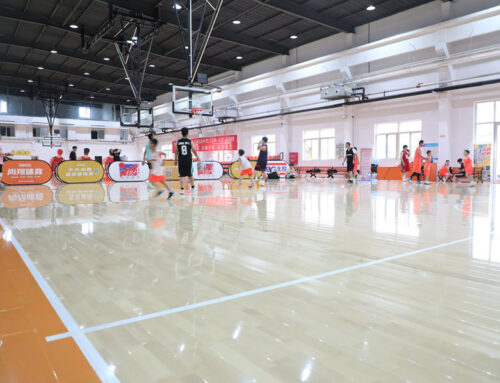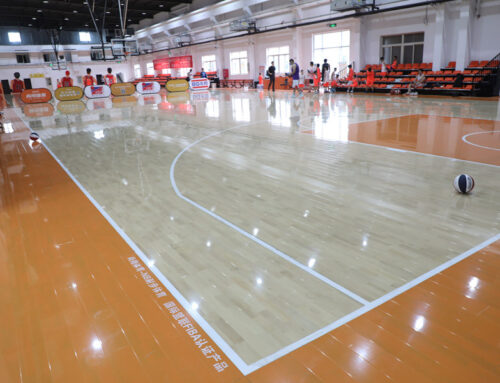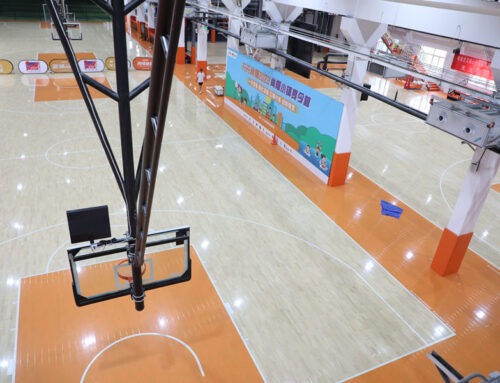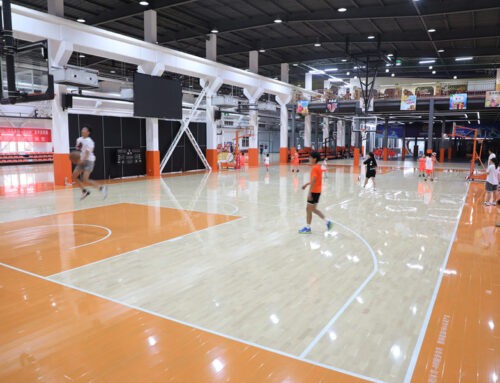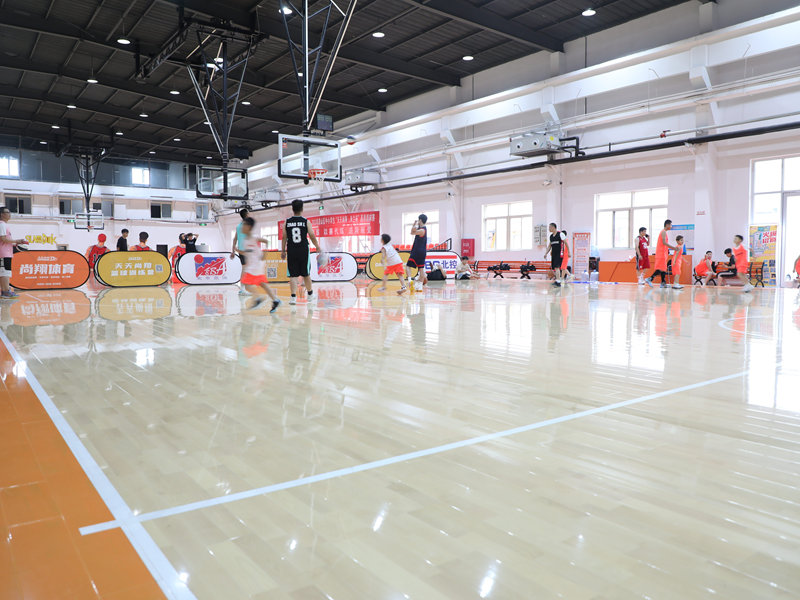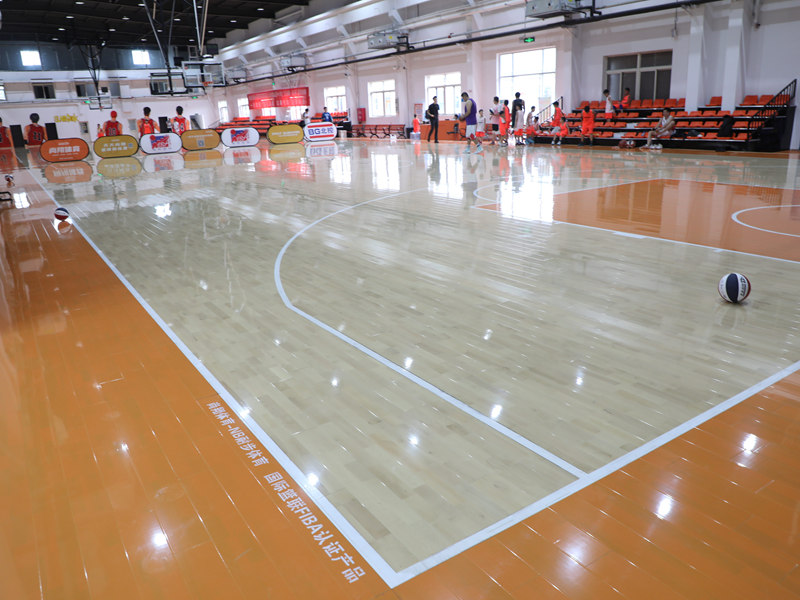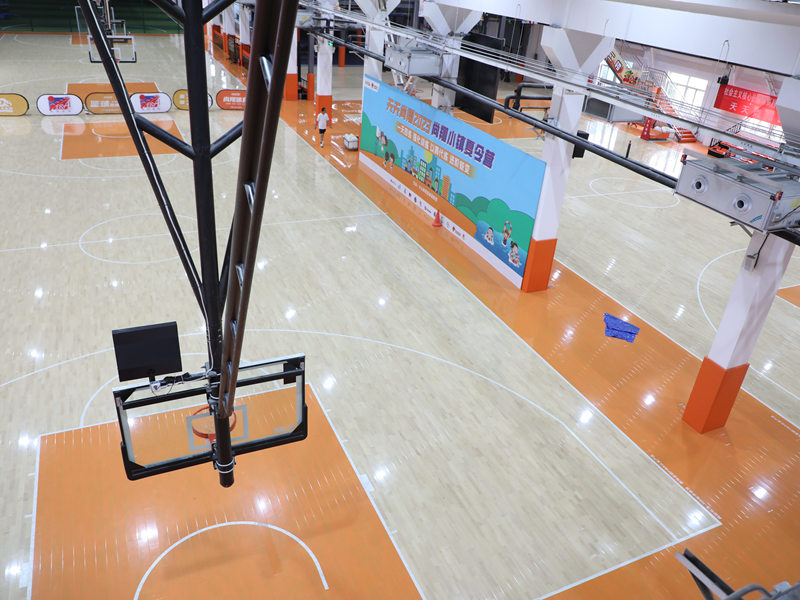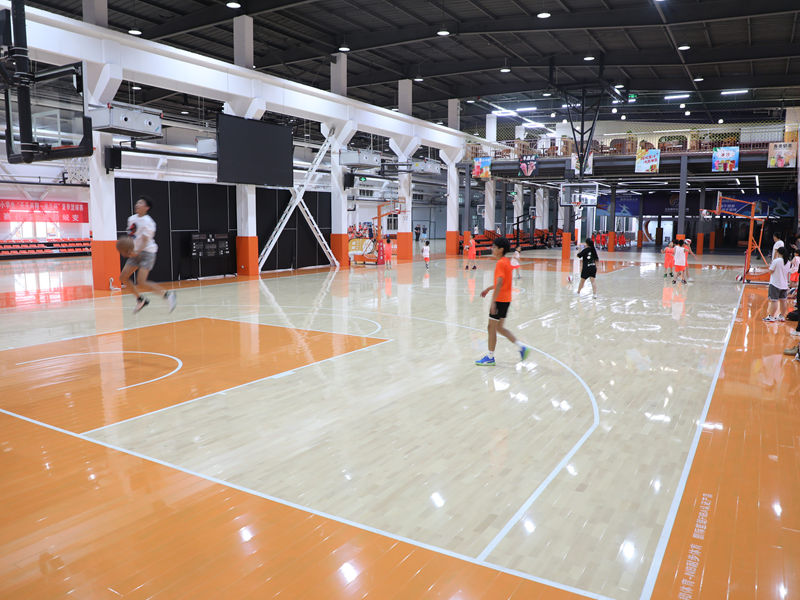
The production of indoor basketball wood flooring has a significant environmental impact, from the harvesting of trees to the manufacturing and transportation of the final product. However, there are steps that manufacturers and sports facilities can take to minimize this impact and promote sustainability in the industry.
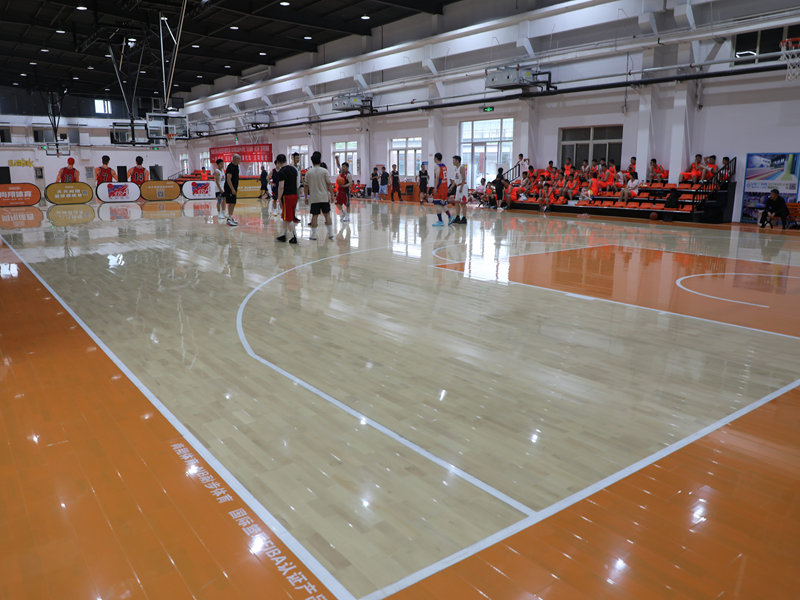
One of the key environmental concerns associated with indoor basketball wood flooring production is deforestation. The demand for high-quality hardwoods, such as maple and oak, can lead to the overharvesting of forests, which can have serious consequences for biodiversity, climate change, and local communities. To address this issue, manufacturers can source their wood from sustainably managed forests that follow responsible forestry practices, such as replanting trees and protecting wildlife habitats.
Another environmental concern is the energy consumption and emissions associated with the manufacturing process. The production of indoor basketball wood flooring requires significant amounts of energy, which can contribute to greenhouse gas emissions and climate change. Manufacturers can reduce their environmental impact by investing in energy-efficient equipment and processes, using renewable energy sources, and implementing waste reduction and recycling programs.
Transportation is another area where the environmental impact of indoor basketball wood flooring production can be minimized. By sourcing materials locally and optimizing transportation routes, manufacturers can reduce the carbon footprint associated with shipping and delivery. Additionally, sports facilities can choose to work with local suppliers to further reduce transportation emissions and support the local economy.
Overall, while the production of indoor basketball wood flooring has a significant environmental impact, there are steps that manufacturers and sports facilities can take to promote sustainability in the industry. By sourcing wood from sustainably managed forests, investing in energy-efficient manufacturing processes, and optimizing transportation routes, we can minimize the environmental impact of indoor basketball wood flooring production and create a more sustainable future for the sport.