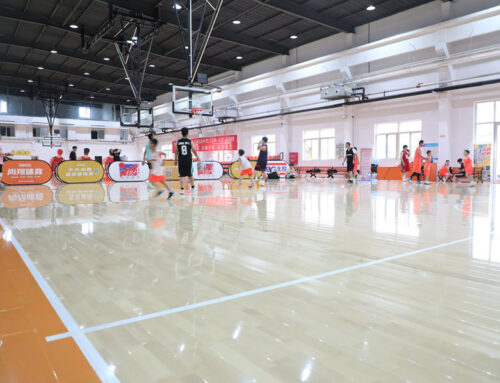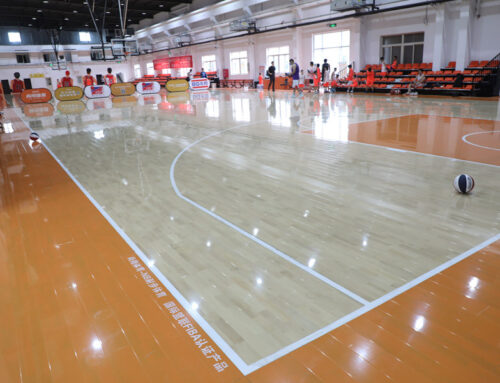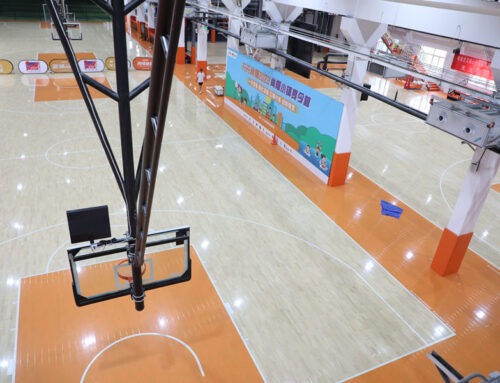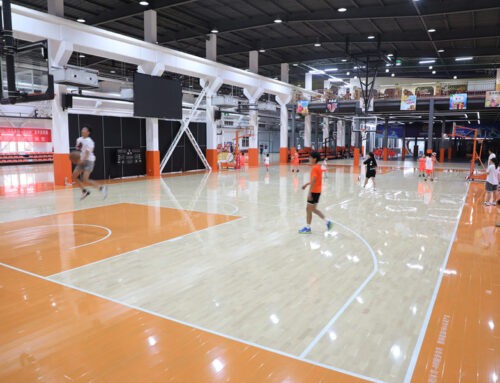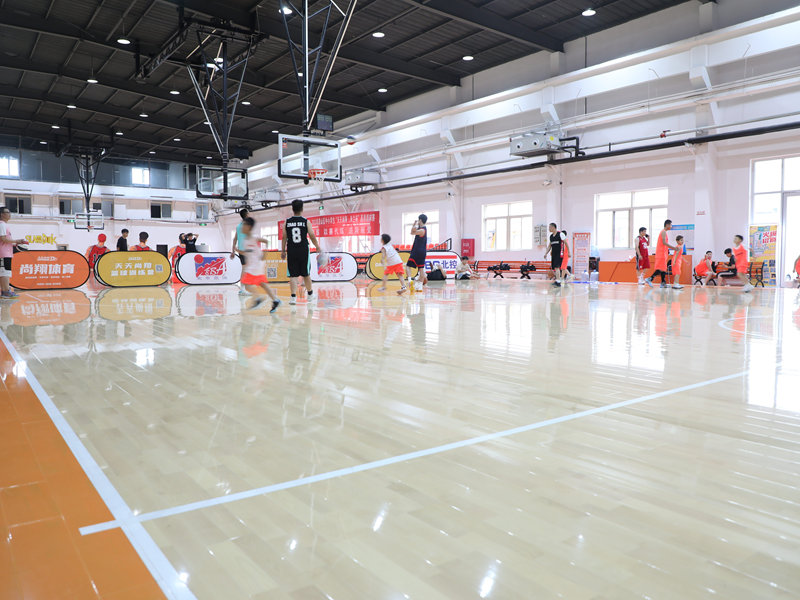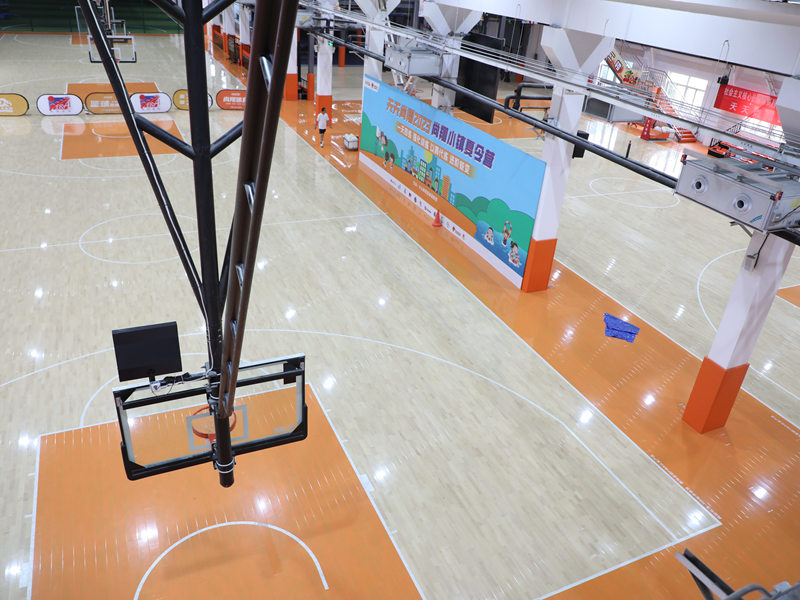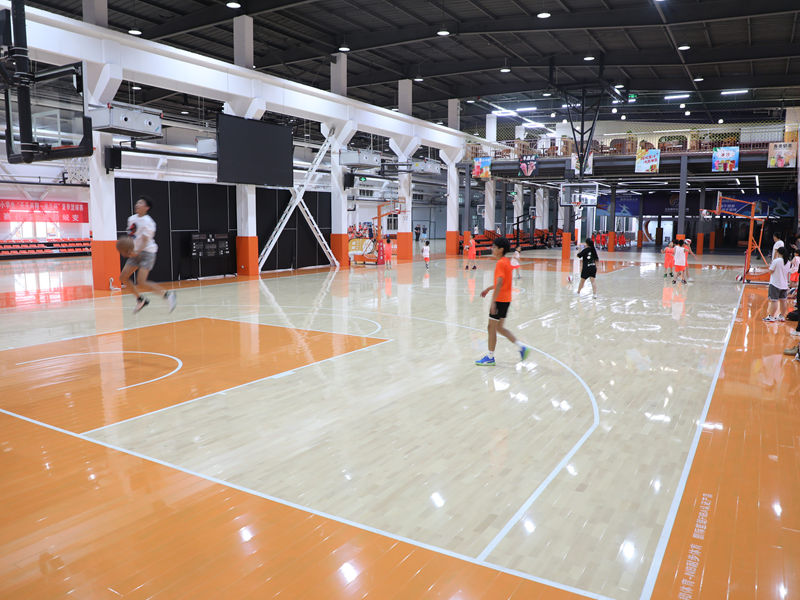
Different seasons bring different changes in temperature and humidity, and a targeted seasonal maintenance plan will keep a modular indoor basketball court wood floor in perfect stable condition all year round. In the dry winter months, when indoor heating systems are running, the relative humidity inside the venue can easily drop below 40%, which causes the hardwood planks to slowly lose their internal moisture and shrink. This can create small, visible gaps between adjacent planks that were not there during the humid summer. To prevent this, venue managers run large-capacity commercial humidifiers in the court space throughout the winter, adding just enough moisture to the air to keep the relative humidity steady between 45% and 55%. This keeps the wood planks at their ideal moisture content, preventing them from drying out too much, cracking at the ends, or developing wide unsightly gaps.
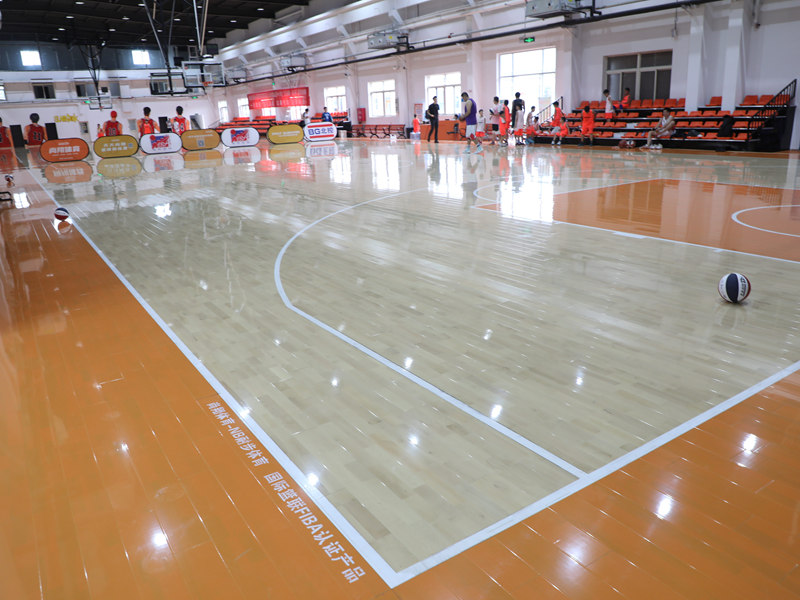
In the hot, humid summer months, the opposite problem occurs: outdoor humidity can rise to 80% or higher, and if this moist air is allowed to flow freely into the venue, the wood planks will absorb extra moisture from the air and swell. To prevent this, venue managers close the venue windows and doors on extremely humid days, and run commercial dehumidifiers to keep the indoor relative humidity from climbing above 60%. This prevents the planks from swelling so much that they push against each other and create raised, uneven spots on the playing surface. During the rainy season, extra checks are done to make sure there are no leaks in the venue roof or windows that could let water drip onto the floor, and any accidental water spills are dried up immediately with multiple layers of dry towels, followed by targeted spot ventilation with fans to dry out any moisture that might have seeped between the planks.
During the hot summer months, the venue’s large windows are covered with heavy curtains during the hours when direct sunlight would shine directly onto the floor. Long-term direct ultraviolet sunlight will break down the chemical structure of the polyurethane paint layer, causing it to fade, chalk, and lose its anti-slip properties prematurely. In the winter, the hot air outlets from the building’s heating system are adjusted so no direct stream of hot, dry air blows directly onto a small section of the floor, which would cause that local area of planks to dry out much faster than the rest of the court, creating uneven gaps and warping. These small, targeted seasonal adjustments ensure the floor stays in a perfectly stable environment all year round, eliminating almost all the seasonal deformation issues that plague poorly maintained basketball venues.