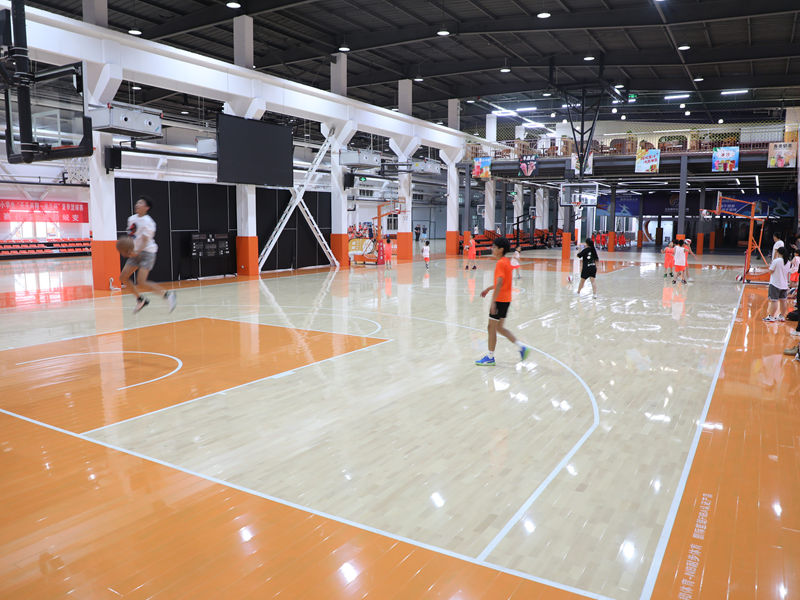
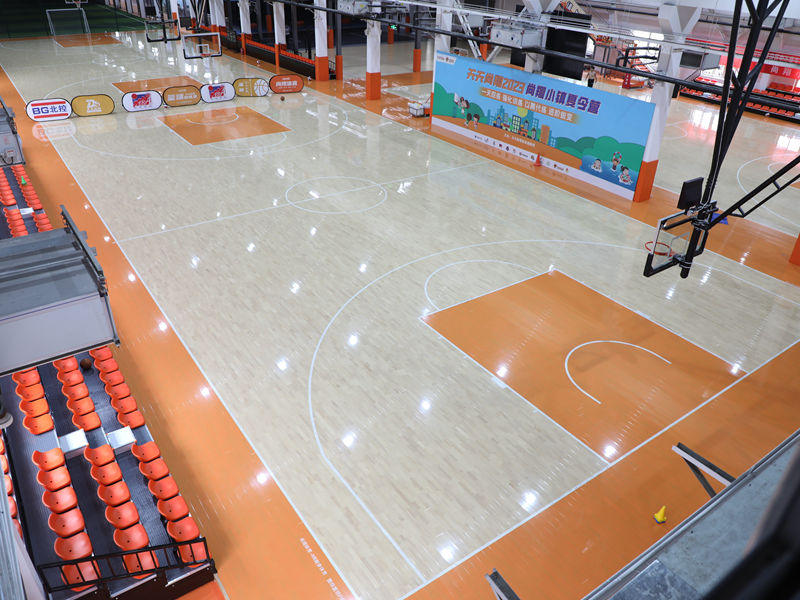
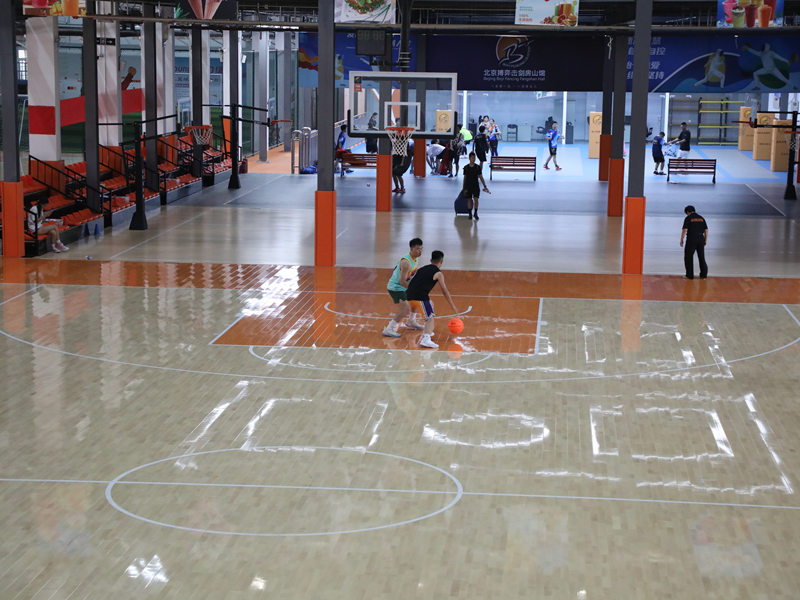
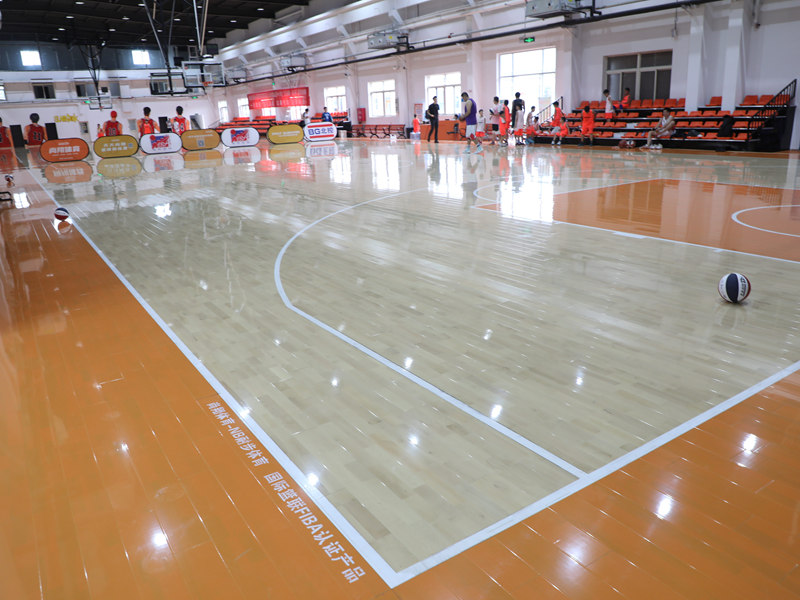
Even with the best possible care, accidents can happen that damage sections of an indoor basketball court wooden flooring, from heavy furniture being dragged across the surface to water leaks that warp individual planks.

The great advantage of wood over synthetic surfaces is that localized damage can often be repaired without needing to replace the entire court, saving facility managers significant time and money. Minor scratches and scuffs in the finish can often be repaired with a light buffing and a new thin top coat of finish, no full sanding required. For individual planks that are warped, cracked, or permanently damaged, experienced technicians can carefully remove the affected planks without disturbing the surrounding floor, then install new matching planks that blend seamlessly into the existing surface. This process requires careful attention to detail to ensure that the new planks have the same moisture content as the existing floor, and that their edges are perfectly sanded flush with the surrounding surface to create a completely seamless transition. After the new planks are installed, a small localized sanding and refinishing pass ensures that the repaired section has exactly the same traction, bounce, and appearance as the rest of the court. This repairability is a huge advantage that no seamless synthetic surface can match, as a tear or bubble in a synthetic court often requires replacing large entire sections of the surface, and the repair will almost always leave a visible, uneven seam that disrupts play. This modular repairability is one of the key reasons that indoor basketball court wooden flooring can last for 50 years or more, with individual sections repaired as needed rather than requiring full replacement.