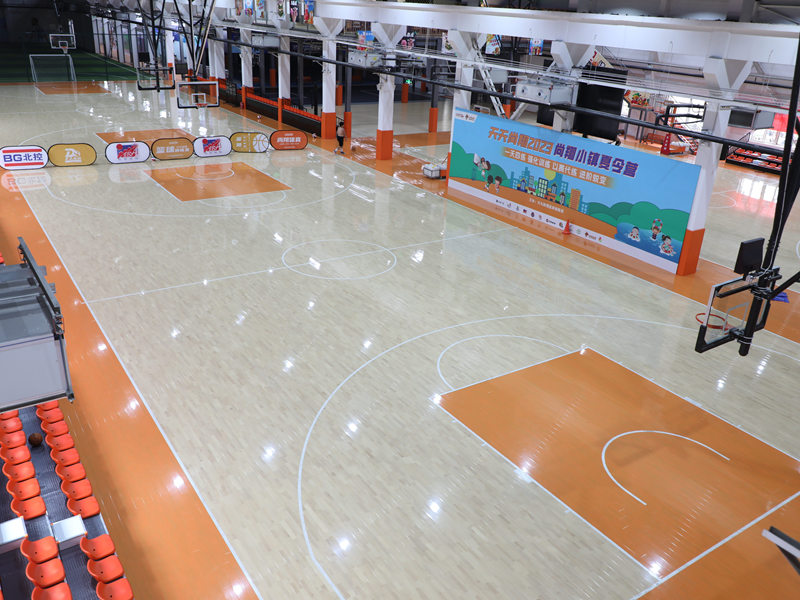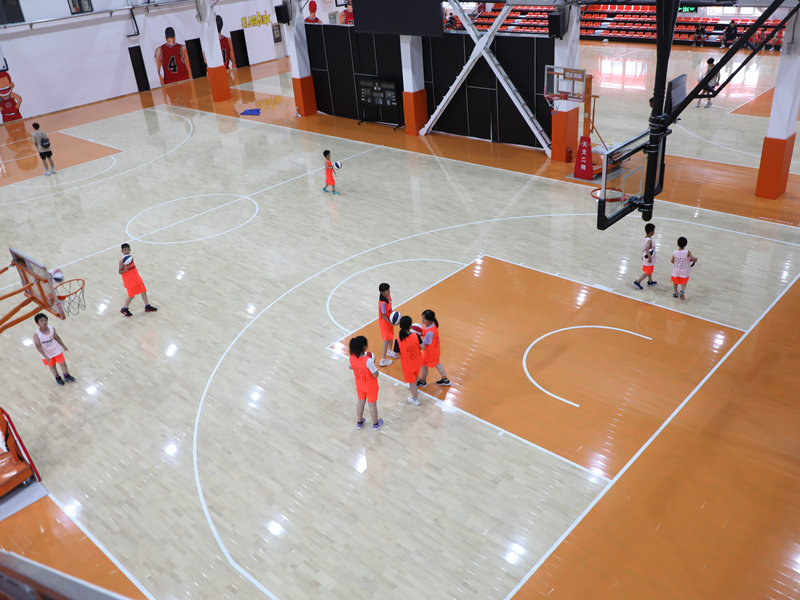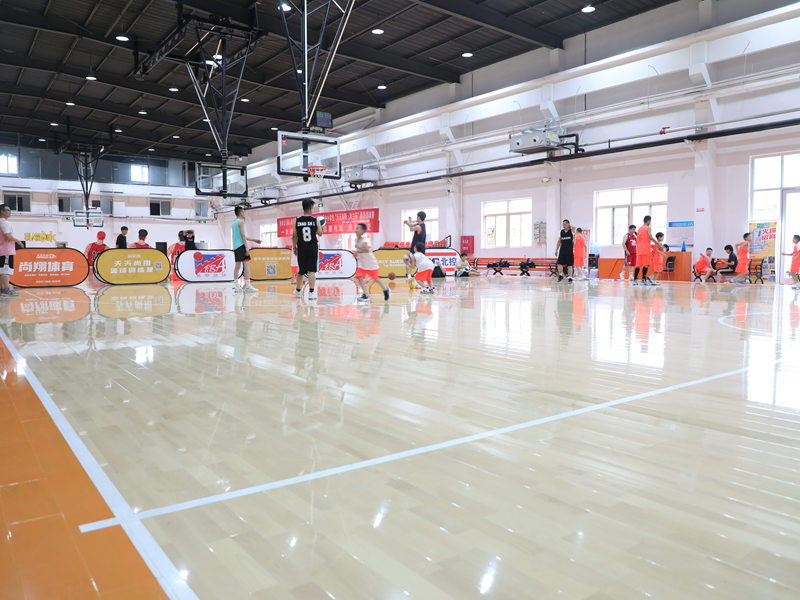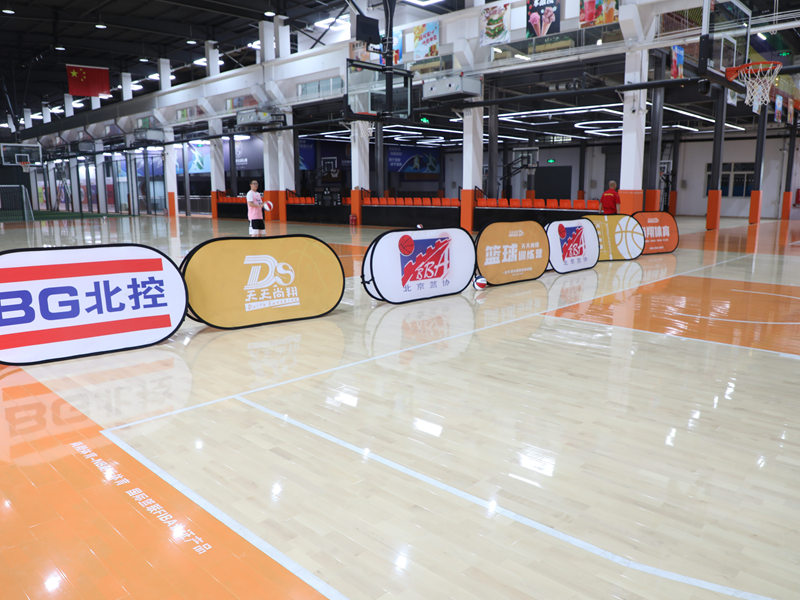
While modular sports wood flooring is designed to be extremely low-maintenance, following a few simple best practices will ensure the surface stays in perfect condition for decades of heavy use. The most important daily maintenance step is regular sweeping with a soft bristle broom or dry microfiber mop to remove loose dirt, dust, and small debris from the surface. These small particles can act like sandpaper on the wood finish if they are left on the floor, causing tiny scratches that build up over time and reduce the surface’s traction.
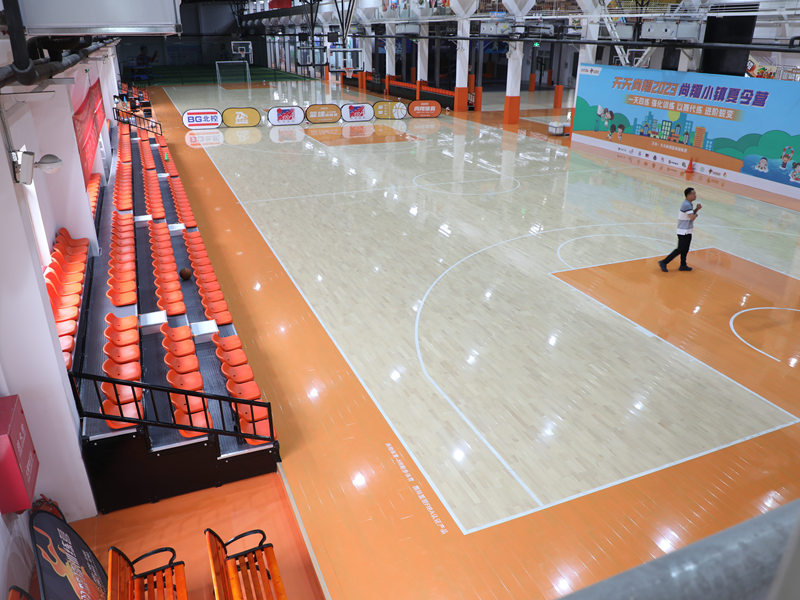
For weekly cleaning, facilities can use a pH-neutral wood floorcleaner diluted in water, applied with a damp (not soaking wet) mop. It is critical to never use excessive amounts of water on the floor, since standing water can seep between panels and damage the wood over time. One of the biggest advantages of modular systems is that facilities do not need to perform the expensive, labor-intensive annual sanding and re-varnishing that traditional fixed wood floors require. As long as the pre-finished top layer is kept clean, it will retain its performance characteristics for 15+ years without any refinishing work. If a small section of the floor does get a deep scratch or dent, there is no need to resurface the entire court; simply remove the damaged panel and replace it with a spare one from the facility’s small stock of extra panels. Facilities should also periodically rotate panels between high-traffic and low-traffic areas of the court, distributing wear evenly across the entire surface to extend the total lifespan of the floor. It is also a good practice to place soft rubber mats at all court entrances to catch dirt and small rocks from athletes’ shoes before they step onto the wood surface. These simple steps take very little time or budget, but they will ensure that a modular sports wood flooring system remains safe, high-performance, and beautiful for 20+ years of daily use.