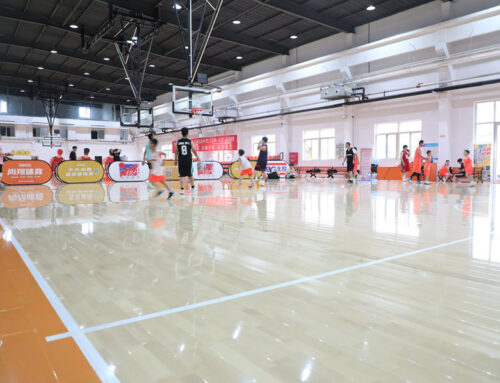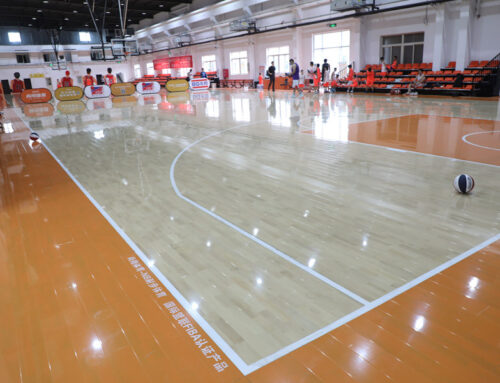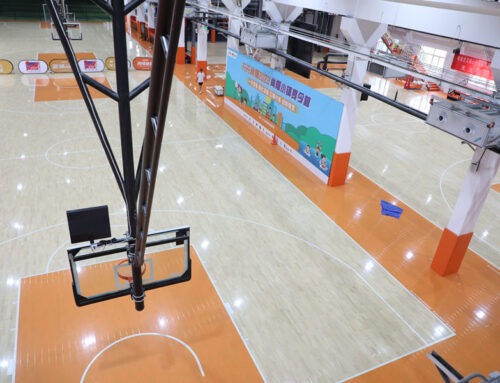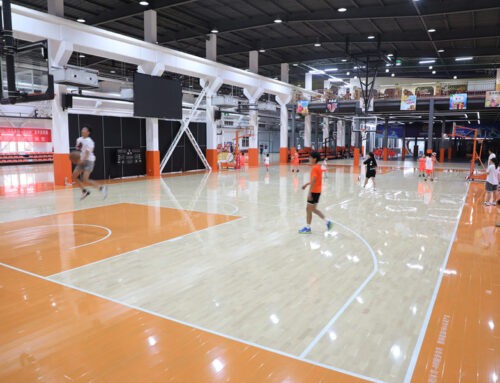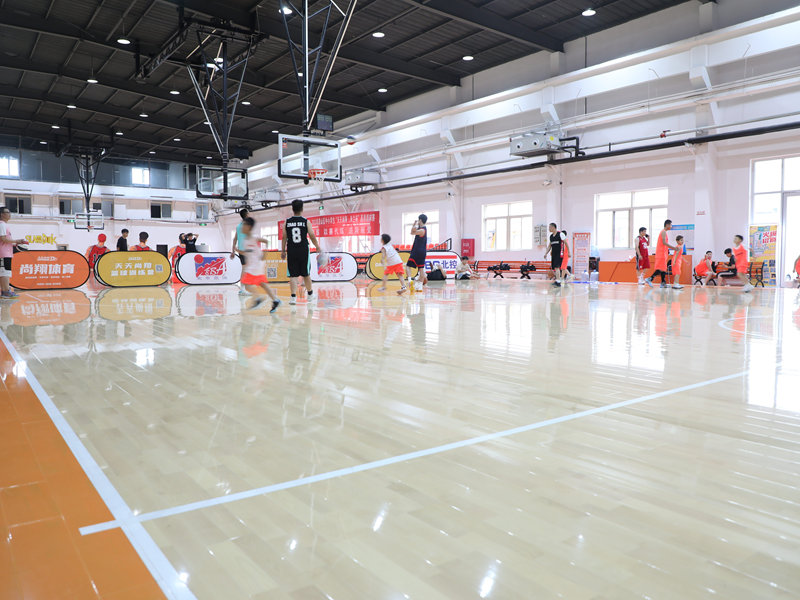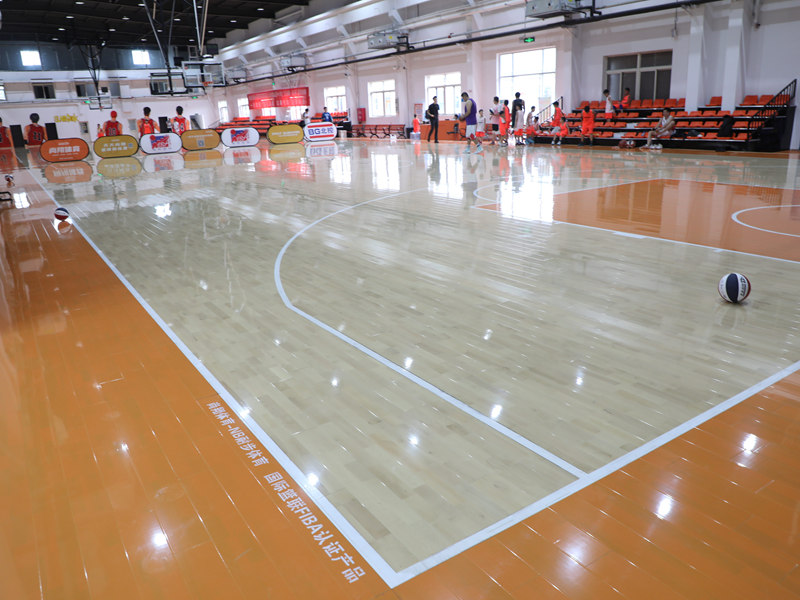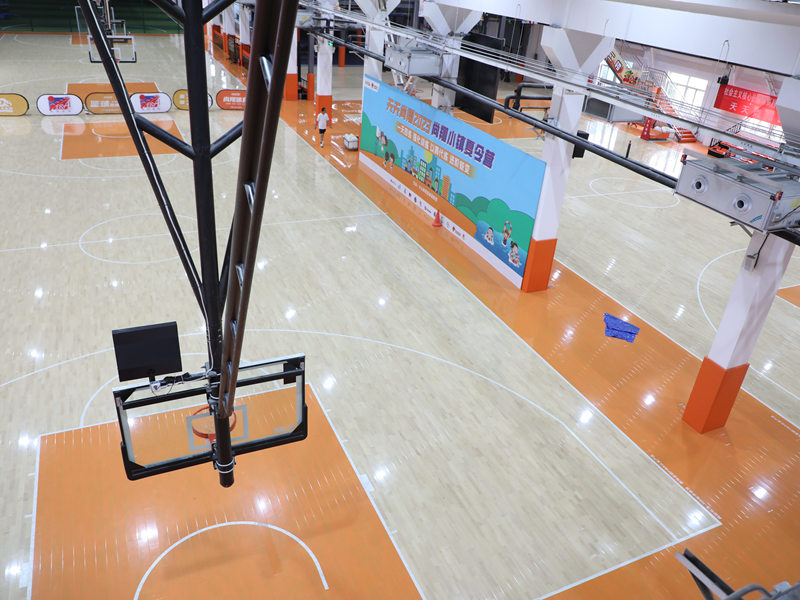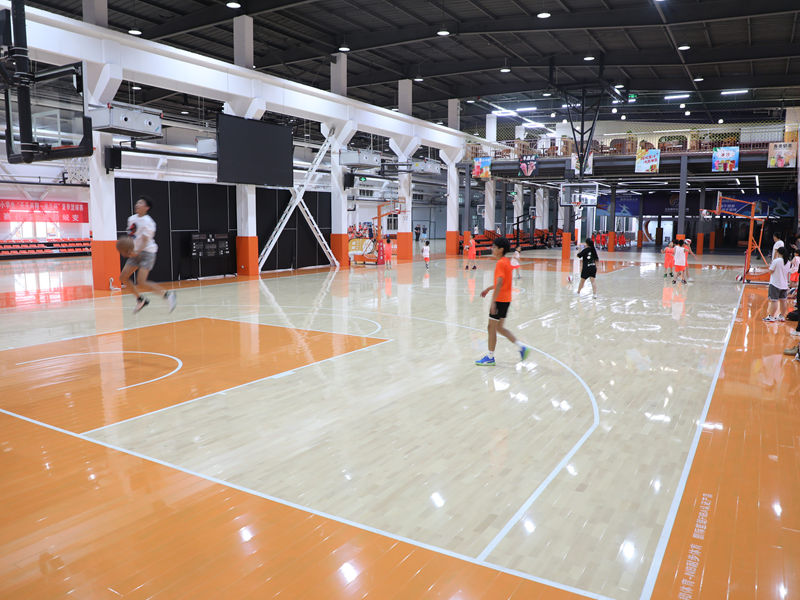
In today’s world, where sustainability is a growing concern, indoor sports wood flooring offers several environmental advantages. Many manufacturers source their wood from sustainably managed forests. These forests are managed in a way that ensures the long – term health of the ecosystem, including the protection of biodiversity and the maintenance of soil and water quality.
Wood is also a renewable resource. Unlike non – renewable materials such as concrete or some synthetic flooring options, wood can be replenished through responsible forestry practices. When a tree is harvested for wood flooring, new trees can be planted in its place, continuing the cycle of growth and renewal.
Another sustainable aspect of wood flooring is its energy efficiency. Wood has natural insulating properties, which can help to reduce the energy consumption of a sports facility. In colder climates, the wood can retain heat, reducing the need for heating systems. In warmer climates, it can help to keep the interior cool, reducing the load on air – conditioning systems.
At the end of its lifespan, wood flooring can also be recycled or repurposed. Old wood planks can be used for other construction projects, such as building furniture or creating decorative elements. This reduces the amount of waste sent to landfills and promotes a more circular economy.