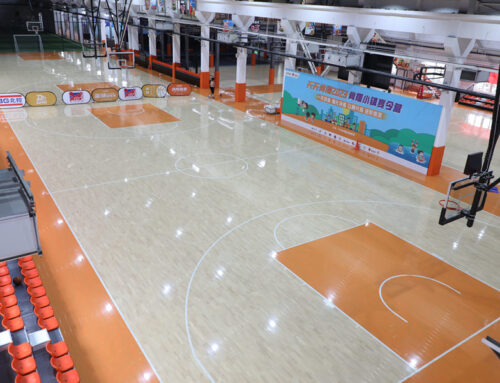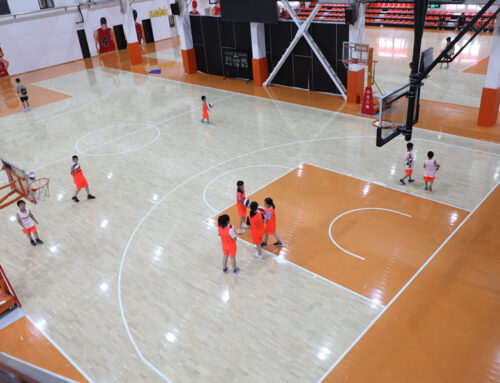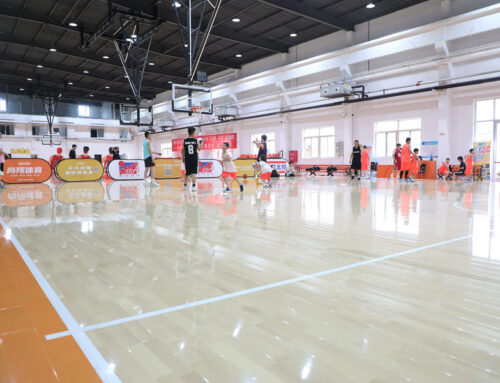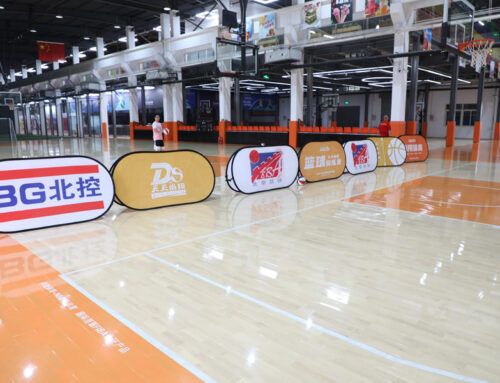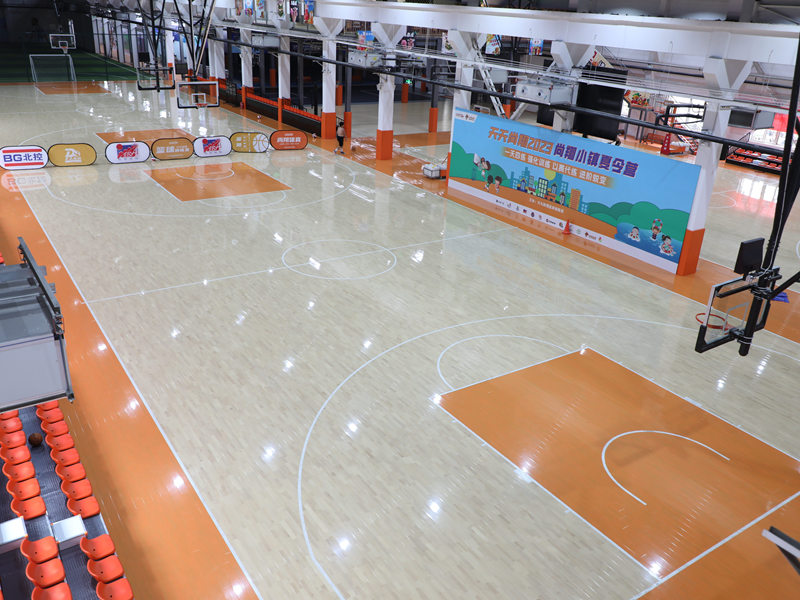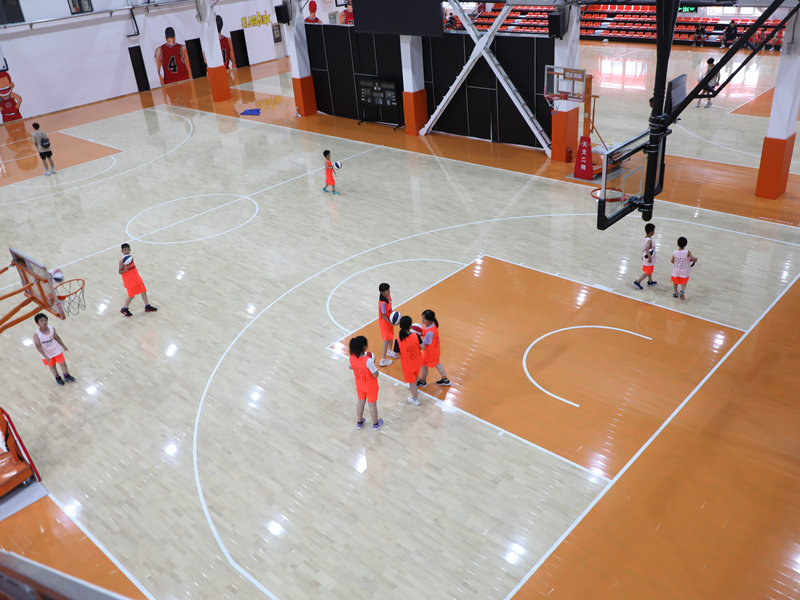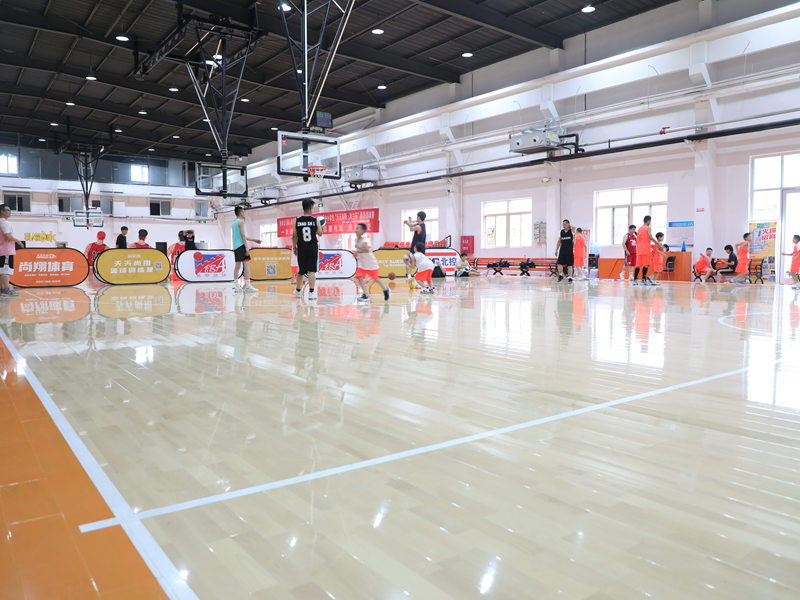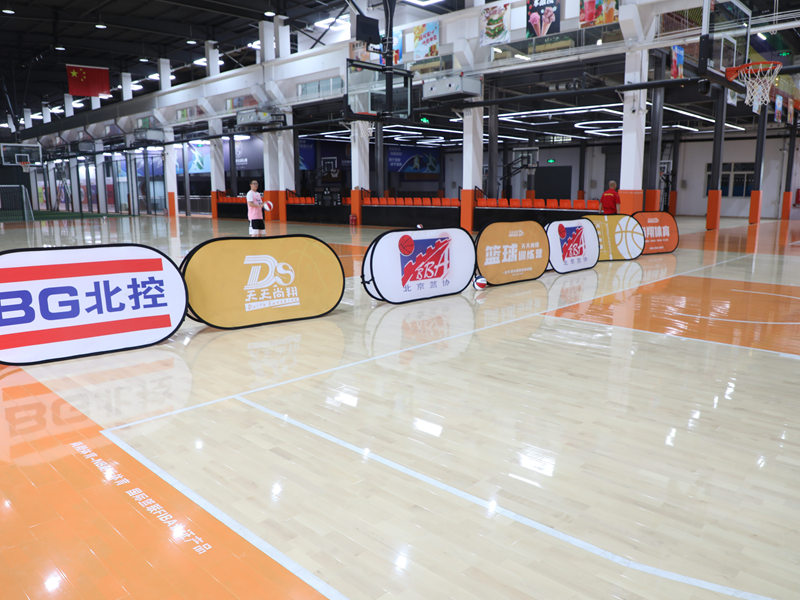
When facilities are shopping for a new basketball court, one of the most common decisions they face is choosing between a traditional wooden floor like the NB brand basketball court wooden floor and a modern synthetic sports floor that is often marketed as a “cheaper, more durable” alternative. While synthetic floors might seem like a good deal at first glance, a side-by-side comparison over the full lifespan of the court makes it clear that an NB wooden floor is the far better investment for almost every facility, delivering better performance, better player safety, and a far lower total cost of ownership over 20+ years.
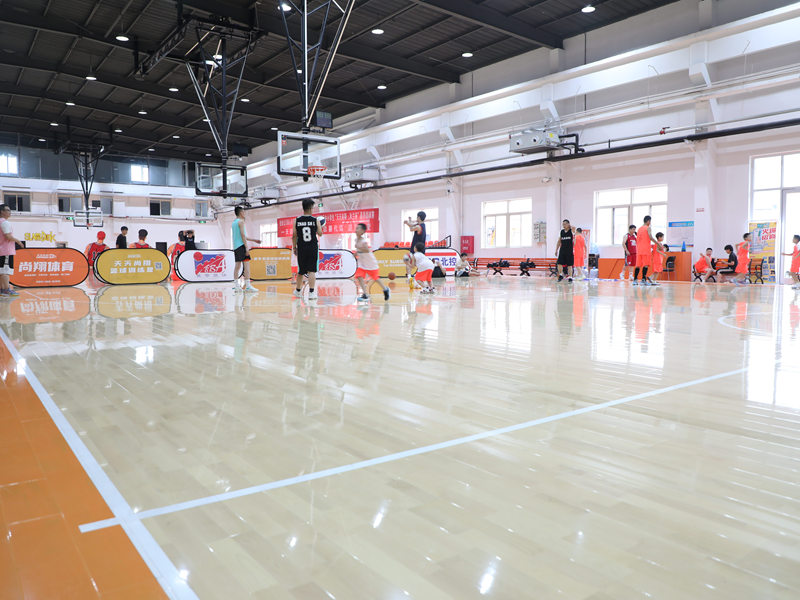
The most immediate difference between the two options is player performance and safety. Synthetic floors are made from rigid, non-porous materials that have very little natural give, so even if they add a thin foam underlayer, they still feel hard and unforgiving underfoot. Studies from sports medicine organizations have repeatedly shown that players who play regularly on synthetic floors have a 30-40% higher rate of chronic knee and ankle overuse injuries than players who play on high-quality wooden floors like NB. Synthetic floors also have inconsistent traction that changes dramatically as the surface wears out—they can be extremely slippery when they get even a little bit dusty, or so sticky that players’ shoes catch on the surface and cause painful ankle rolls. The NB basketball court wooden floor, by contrast, has perfectly calibrated, consistent traction that stays reliable in every condition, and its shock absorption system is scientifically proven to reduce impact injuries by a dramatic margin.
When you look at long-term costs, the NB brand basketball court wooden floor also comes out far ahead. A typical synthetic basketball floor has a lifespan of only 10-15 years, after which the material starts to crack, the seams start to separate, and the surface becomes unsafe to play on, requiring a full, expensive replacement. An NB wooden floor, by comparison, can easily last 30, 40, or even 50 years, with only occasional low-cost resurfacing projects needed every 10-15 years. Over a 30-year period, a facility will have to replace a synthetic floor two or three times, paying for full demolition, disposal, and new installation each time, while the NB floor is still going strong with minimal upkeep. When you add up all those costs, plus the money lost from canceled events due to unexpected synthetic floor failures, the NB floor ends up being the much more affordable choice in the long run, while also delivering a far better playing experience for everyone who uses it.