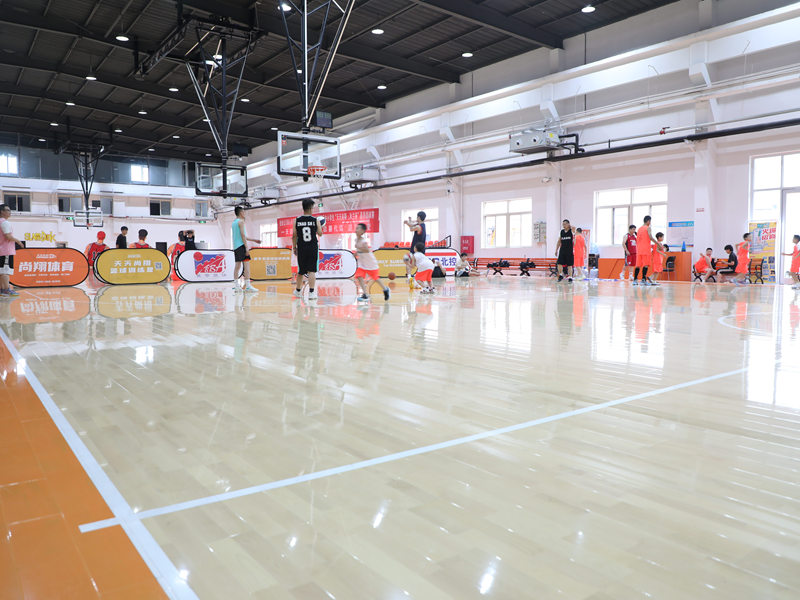
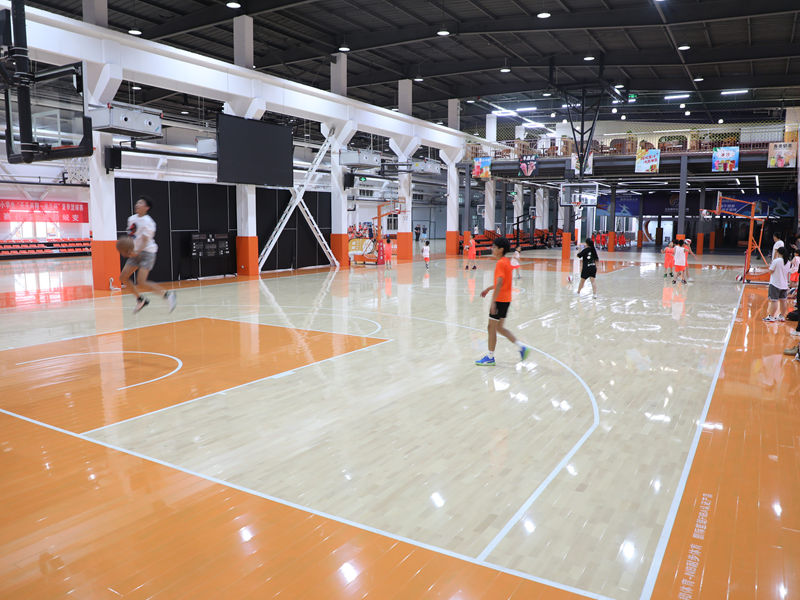
When facilities are choosing a new basketball court surface, they often weigh the pros and cons of indoor basketball court wooden flooring against popular synthetic alternatives, and there are clear differences in performance, safety, and long-term value between the two options.

Synthetic surfaces are often cheaper to install initially, but they have a much shorter usable lifespan of 10 to 15 years, after which they need to be completely removed and replaced, resulting in higher long-term costs. Wood courts, by contrast, have a higher upfront installation cost but can last 50 years or more with proper maintenance, making them far more cost-effective over the full lifetime of the facility. In terms of player safety, independent sports biomechanics studies have consistently shown that properly constructed wood courts have better shock absorption characteristics than almost all synthetic surfaces, resulting in significantly lower rates of chronic overuse injuries to players’ knees and ankles. Synthetic surfaces also tend to trap heat during hot weather, making the court uncomfortably warm during intense play, while wood stays at a far more consistent, comfortable temperature. While synthetic surfaces are often marketed as “maintenance free,” they actually require their own specialized cleaning and resurfacing procedures, and they are far more prone to permanent damage from sharp objects, heavy equipment, and extreme temperature changes. When all these factors are taken into account, indoor basketball court wooden flooring almost always delivers better long-term value, better player safety, and a superior overall playing experience.