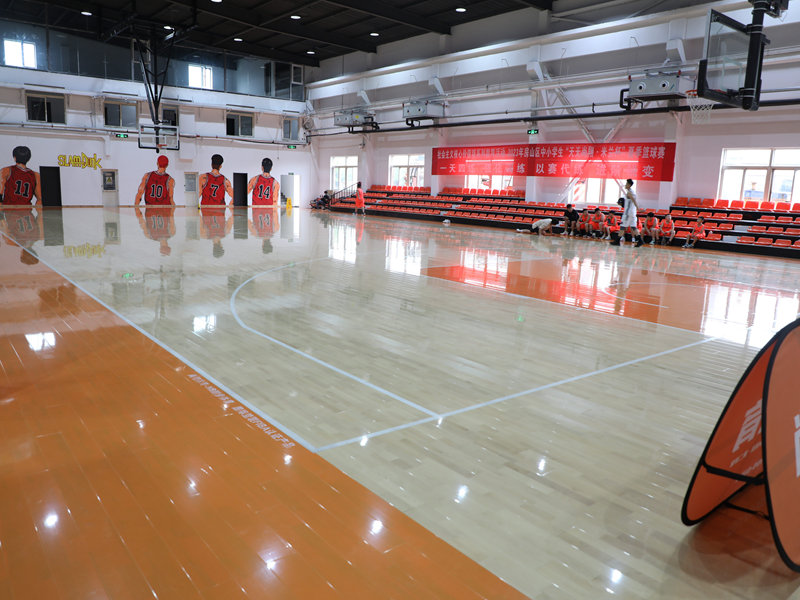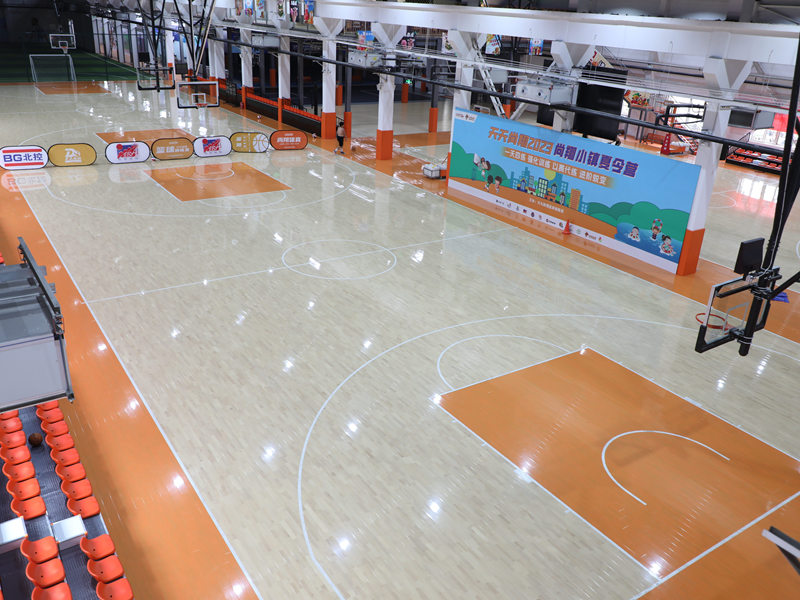
Even the highest quality modular basketball wood panels will not perform correctly if they are installed improperly, and there are several common mistakes that inexperienced installation teams make that can ruin the entire floor. One of the biggest mistakes is not preparing the base layer properly before laying down the panels.
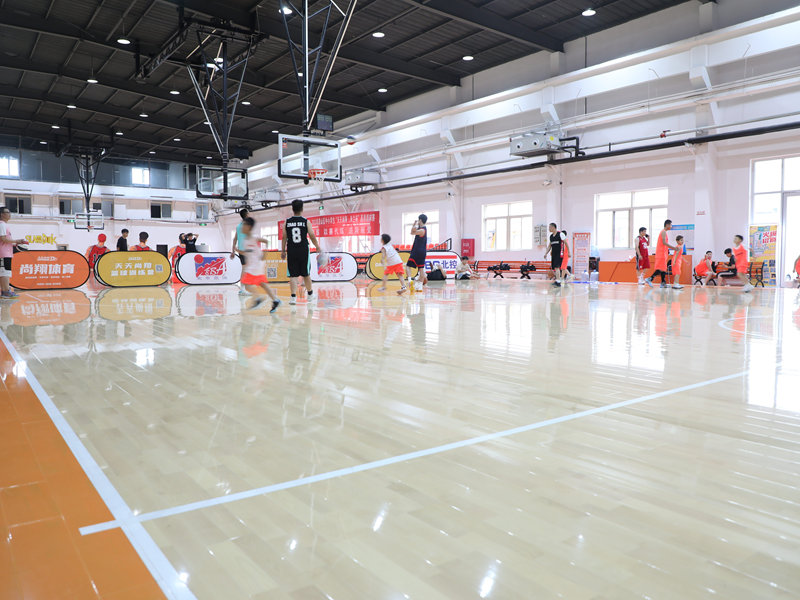
If the existing concrete slab is not completely level, or if small cracks and bumps are left unfilled, the panels will sit unevenly, creating spots where the ball bounces differently or where players can feel a small bump under their feet. Another very common mistake is skipping or improperly installing the moisture barrier. If the moisture barrier has small holes, gaps, or overlaps that are not sealed properly, moisture from the concrete will seep up into the wood panels, causing them to warp, swell, or develop mold over time. Many inexperienced teams also space the supporting substructure pieces too far apart, which makes the floor feel too soft and spongy underfoot. A floor that is too flexible will not provide enough stable support for players, and it can even make them feel unbalanced when they try to make sharp cuts. On the other hand, spacing the supports too close together makes the floor feel too hard, eliminating all the shock absorption benefits that make wood flooring so great. Another mistake is rushing the finishing process, applying the next coat of sealant before the previous one has had enough time to dry completely. This leads to a finish that is soft, easily scratched, and that peels off after just a few months of use. Even small mistakes like not leaving a tiny gap around the edges of the court next to the walls can cause big problems. If the panels are pressed tightly against the walls with no room to expand, when the wood swells in humid weather, it will have nowhere to go, and the entire floor can buckle upwards in the middle. All these mistakes are completely avoidable when the installation team takes their time, follows proven guidelines, and pays attention to every small detail during the process. Taking the extra time to do the installation correctly the first time saves facility managers thousands of dollars in expensive repairs down the line.