Honestly? I never thought too hard about volleyball floors before. Our school gym had that old concrete floor, you know? Slippery when dusty, felt like landing on bricks when you dived. Hurt like crazy. And the ball? Total gamble – weird bounces all the time. Annoying.
Started digging around online, checking out what serious clubs used. Kept seeing this “pad hardwood” thing. Sounded fancy, expensive maybe. But the more I read about the safety stuff, the more it clicked. That concrete floor wasn’t just annoying; it was kind of dangerous. So, I decided to try it myself, convince the board for our small club.

Getting My Hands Dirty
First hurdle? Getting approval. Took weeks of badgering the club committee, showing them stats on ankle injuries (found some scary numbers online!). Finally, they gave me a small budget for a test court section.
Finding the right stuff took time. Went to a few flooring places. The “pad” part? It’s basically a rubber layer glued right under the hardwood planks. Touched samples – the rubber felt spongy but strong. The wood top felt solid, smooth, but not slippery like finished furniture wood.
Had to rip out a chunk of the old concrete for the test spot. Messy job. Wore a mask – dusty as hell! Then the guys laid down the pad layer, rolling it out carefully. Smelled faintly like tires at first. Next, they started clicking the hardwood planks together over the pad. Went surprisingly fast once they got going.
Finally Playing on It
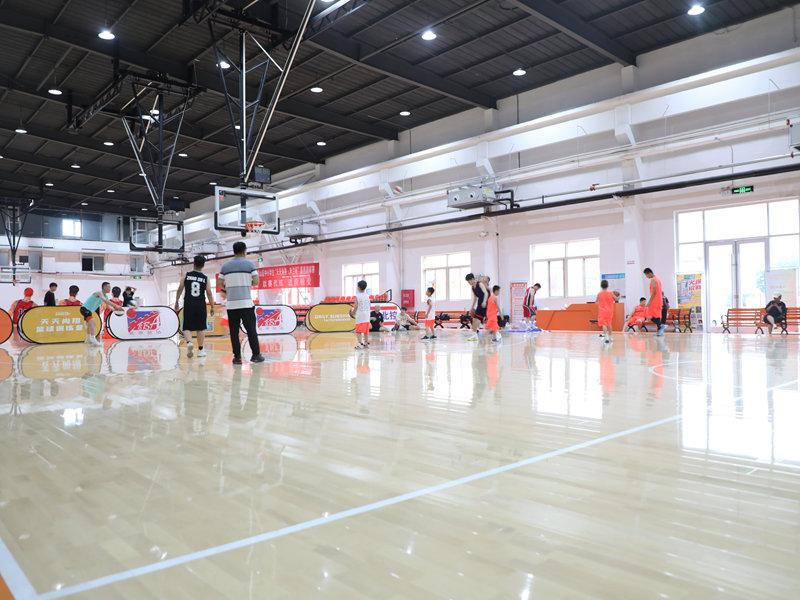
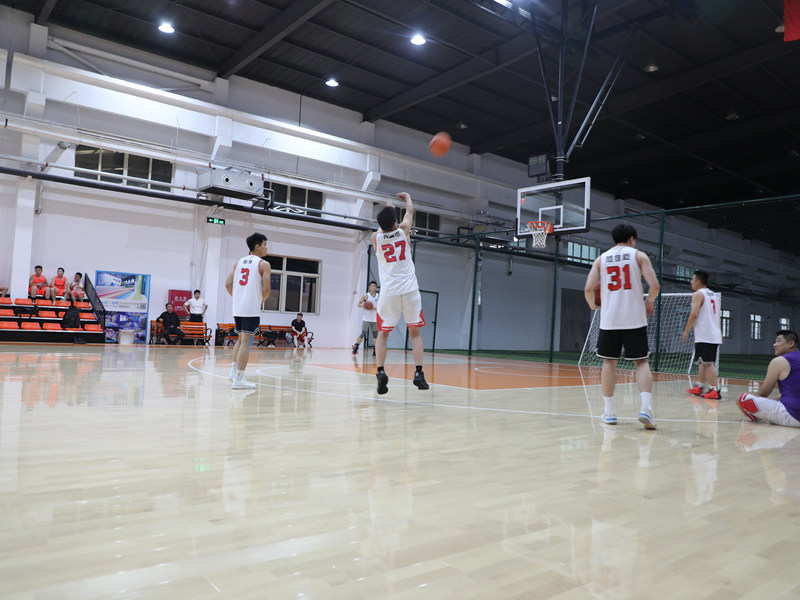
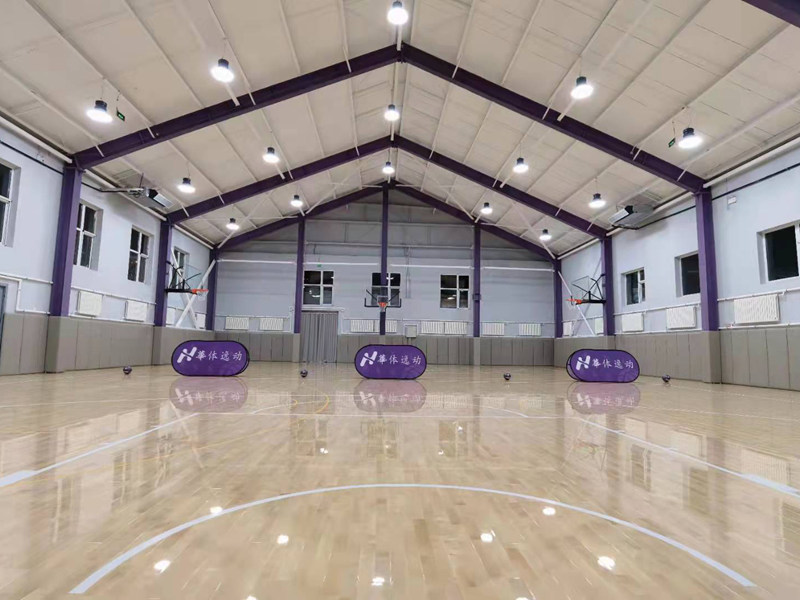
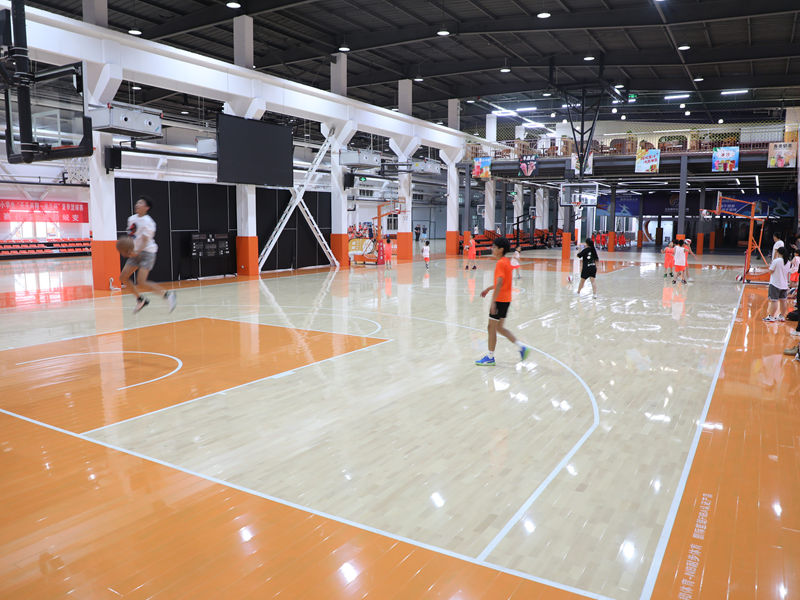
First impression? Just stepping on it felt different. Softer than concrete, obviously, but still firm, supportive. Like walking on solid ground that had a tiny bit of give. Then came the real test: playing.
Took a dive during a practice game. Braced for that jolt up the spine… but it didn’t come. Landed hard on my side. Felt the impact, sure, but it was… muffled. Like hitting something firm but covered in thick cushion. My teammates looked shocked – they expected me to be down for the count. I just got up, a bit sore but fine. That alone felt huge.
Gameplay felt way smoother too. Chasing a ball near the line? No surprise slips. Jumping felt more controlled, landing quieter. And the ball? Consistent bounces. It reacted how you expected it to react off the floor. No more wild skitters or dead spots. Made passing and setting way more predictable.
Even sliding for balls felt safer. Got a splinter once playing on that old floor – not fun. This new surface? Clean, smooth wood. No more worrying about skin meeting rough concrete.
So, Was It Worth It?
- No more achey landings:
-
- Seriously, my knees thanked me after games.
-
- Better traction: Stopped worrying about wiping out every time I moved fast.
-
- No more bounce lottery: The ball does what the ball should do. Makes the game feel fairer.
-
- Less injury risk: Didn’t magically prevent all injuries, but dives and falls were way less punishing.
- Feels more professional: Sounds silly, but playing on a proper court surface just feels better.
Pushing for the whole gym took more time and cash, but after seeing that test section in action – the reduced wincing after falls, the cleaner plays – everyone got onboard. It wasn’t just about being fancy. It was about making the game safer and actually letting us play better volleyball, not fight the stupid floor. Best decision we made for the club.