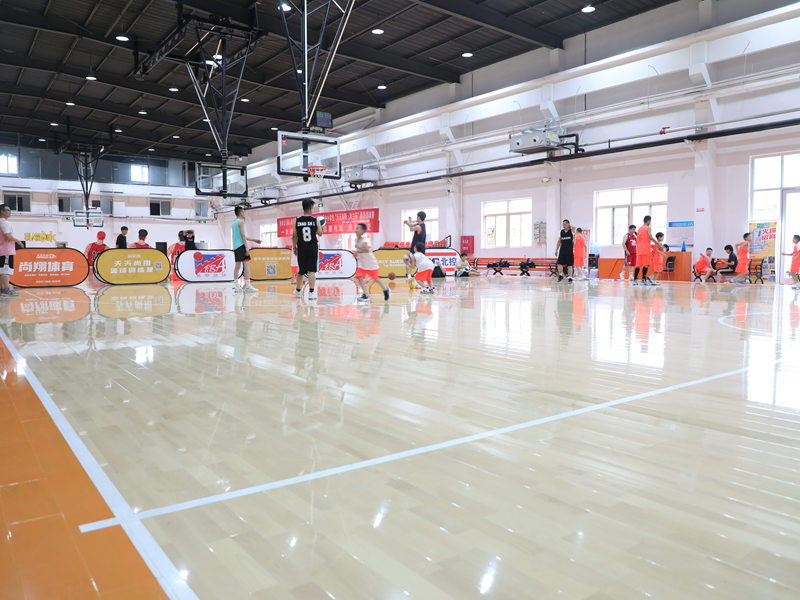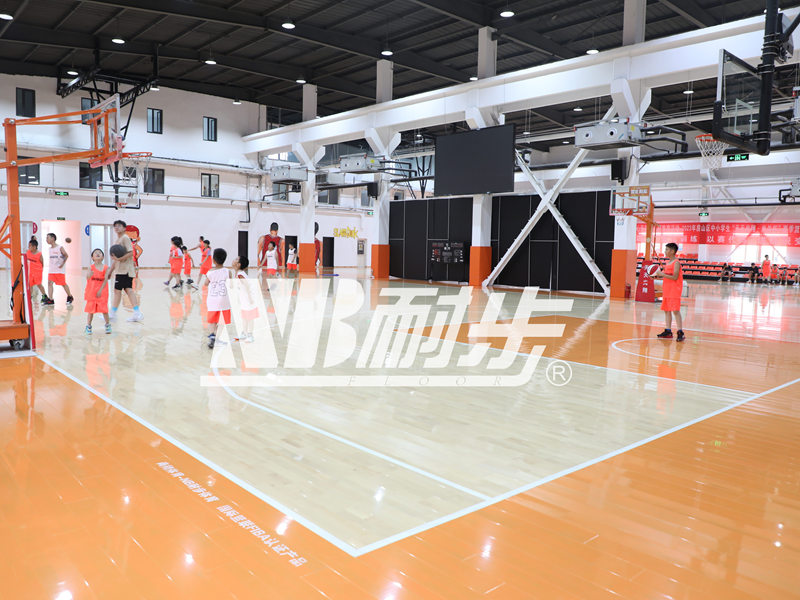
Okay, so I’ve been wanting to upgrade the flooring in my makeshift home gym for ages. I do a lot of plyometrics and, well, the concrete wasn’t cutting it. I dreamt of having a proper volleyball court feel, you know? So, I decided to go all-in and install batten volleyball solid wooden flooring. Sounded fancy, felt ambitious, and, honestly, I had no idea what I was doing at first.
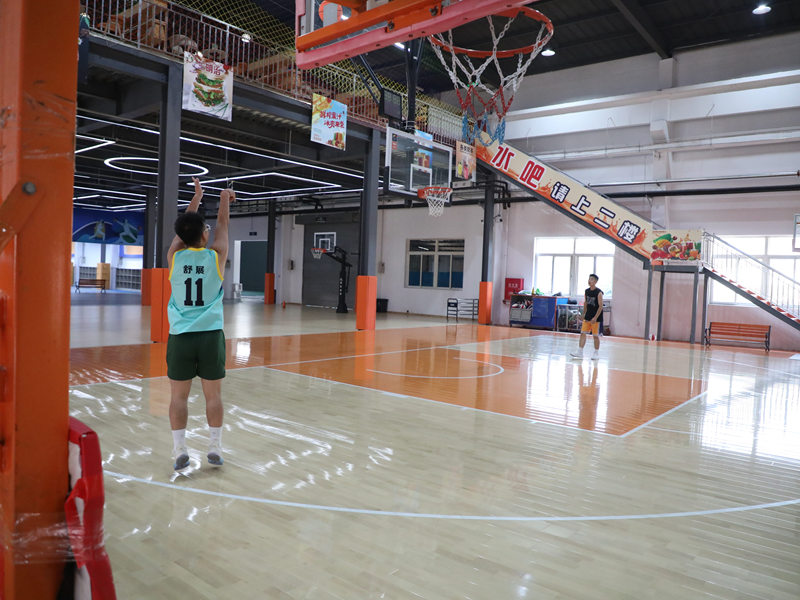
First thing I did was, measure the gym area. I measured the Length and width and Then I multiplied those two numbers to calculate the floor area. It’s really a easy calculation process, Then I cleared everything out. This was a workout in itself! Moved all the weights, the bench, the sad-looking exercise bike in the corner… the whole shebang. The concrete floor was pretty rough, so I spent a good chunk of time sweeping and vacuuming it. I even used a damp mop to get rid of any lingering dust. I wanted a super clean surface to work with.
Next, I laid down a vapor barrier. Apparently, this is super important to prevent moisture from the concrete seeping up into the wood. I just unrolled this big plastic sheet thing and taped it down, making sure to overlap the edges. Felt like I was wrapping a giant, not-very-exciting present.
Then came the battens! These are basically just strips of wood that create a framework. I placed the battens perpendicular to the direction I wanted the final floorboards to run. I figured out the spacing beforehand – I think I went with 16 inches apart, but I double-checked some online guides to be sure. Getting them level was a bit of a pain. I used shims – little wedges of wood – to adjust the height and a long level to make sure everything was, well, level. This part took the longest, to be honest, lots of fiddling and adjusting.
- Used a level to ensure each batten was perfectly horizontal.
- Used wood shims to correct any variations in the concrete subfloor.
- The spacing between the battens will depend on the thickness of the wood flooring.
Once the battens were all secure (I used construction adhesive and screws, felt pretty heavy-duty), it was time for the actual wood flooring! I’d ordered these solid oak planks, and they looked amazing. I started laying them down, one by one, perpendicular to the battens. I made sure to leave a small gap around the edges of the room – an “expansion gap,” I think it’s called – to allow for the wood to expand and contract with changes in humidity.
Securing the floorboards was pretty satisfying. I used a flooring nailer, which is basically a specialized nail gun for this kind of thing. It was a bit loud, but it made the job so much faster. Bang, bang, bang – board after board went down. I had to cut some of the boards to fit at the ends of the rows, using a circular saw. Definitely measured twice (or three times!) before cutting those.
The Finishing Touches
After all the boards were down, I filled any nail holes with wood filler. Once that dried, I gave the whole floor a good sanding, starting with a coarser grit sandpaper and working my way to a finer grit. This made it super smooth and even. Finally, I applied a few coats of polyurethane sealant, letting each coat dry completely before adding the next. This gives it that nice, shiny, durable finish.
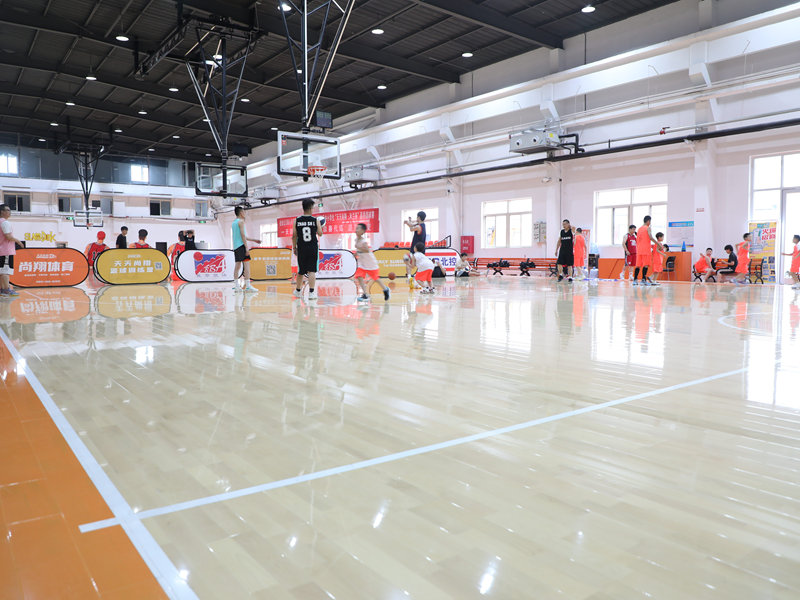
And… that was it! It took a few weekends, a lot of sweat, and some serious learning-as-I-went, but I actually did it. My home gym now has a legit batten volleyball solid wooden floor. It feels amazing underfoot, and it’s way better for my knees. Totally worth the effort!