Alright folks, buckle up because this shock-absorbing volleyball floor project was a wild ride from start to finish. Wanted something solid for our weekly games that wouldn’t murder our knees, and holy smokes, did I learn some lessons.
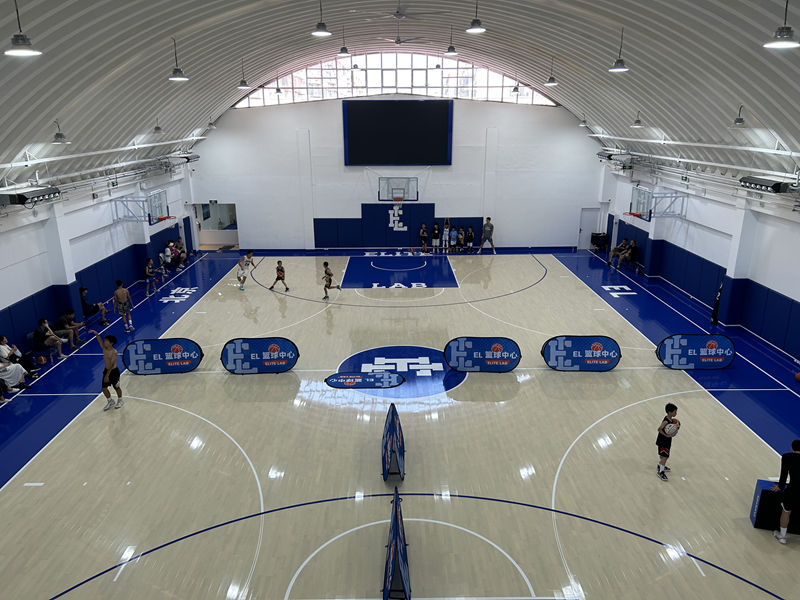
Starting Simple (Too Simple?)
Had this bright idea rattling around my head forever: a proper wooden floor for volleyball that actually eats some of the impact. Saw some fancy gym floors online, but man, those prices hurt worse than a bad dive. Figured, “how hard can it be?” Spoiler: harder than I thought.
The Hunt for Wood & That “Bounce” Feeling
First step, grab wood. Went down to the local lumber yard, stared at piles of planks like I knew what I was doing. Picked what looked solid – some heavy-duty tongue-and-groove stuff, nice and thick. Felt smart lugging it home. Laid a few rows out in the garage space I cleared, nailed ’em down tight to the joists I’d put underneath. Stood on it. Felt… rock solid. Like concrete. Played a quick one-on-one. Bad move. My knees screamed. Felt every single bounce right up my spine. Zero give. Total failure for the “shock absorbing” part. Back to square one.
The Rubber Revelation & Rookie Mistakes
Knew I needed something squishy underneath. Thought about foam mattress toppers for a hot second – nah. Ended up getting these dense rubber pads, kinda like what goes under heavy gym equipment. Supposed to dampen vibration. Felt hopeful. Here’s the dumb part: I just slapped the wood planks directly onto the rubber pads over the joists. Looked okay. Stepped on… squishy like a swamp. Worse than before! The wood was bending, buckling, felt unsafe to jump on. Felt like a total moron. Tore it all up again. Seriously frustrating.
Framing It Out & The Lightbulb Moment
Took a breath. Needed structure. Built a proper subframe out of 2x4s, spaced evenly across the whole area, bolted securely to the concrete floor below. Solid base. This time, placed the thick rubber pads inside the frames, sitting on the concrete, filling each rectangle completely. Made sure they were level. Then, and only then, laid the tongue-and-groove planks across the top of the frames. Nailed the planks only to the wooden frame borders, not punching down into the rubber below. That was the key!
- Subframe anchored: Rock solid foundation.
- Rubber contained: Pads compressed within frames when stepped on, no buckling.
- Wood floating: Planks secure on the frame, rubber absorbing impact underneath.
The Final Test (No Knees Harmed!)
Stood on it. Different world. Felt firm underfoot, solid like a real floor, but when I jumped… there it was! That give, that soft landing, exactly what I wanted. Got the team over. We passed, set, spiked like crazy for an hour. Zero knee complaints afterwards. Just big grins. The wood surface held up perfectly, the bounce felt controlled, not bouncy like a trampoline, just… forgiving. Still incredibly sturdy laterally – no flexing when diving sideways.
Months later, it’s holding up perfect. Proof is in the jumping. Not fancy, but built tough with stuff you can actually get and afford. My knees thank me every Tuesday night.