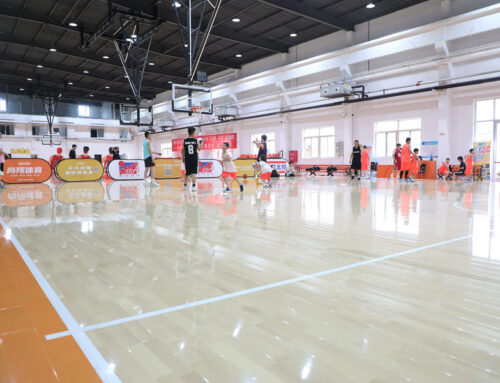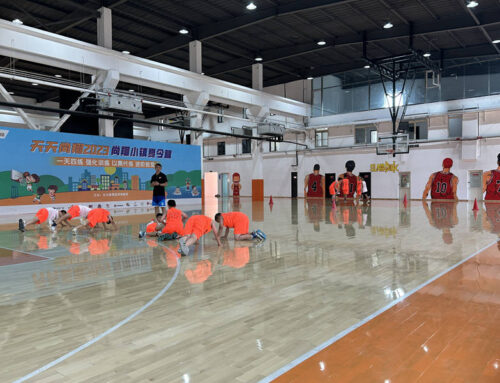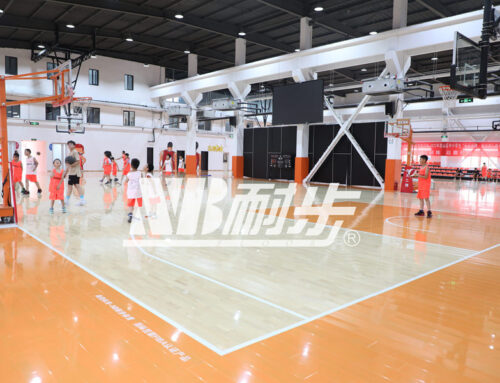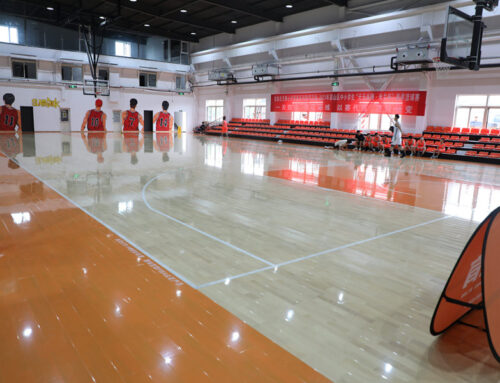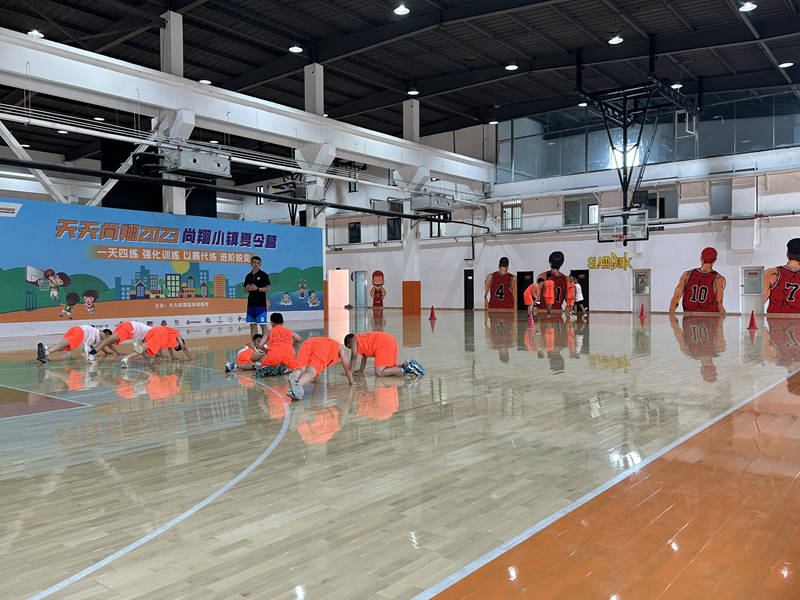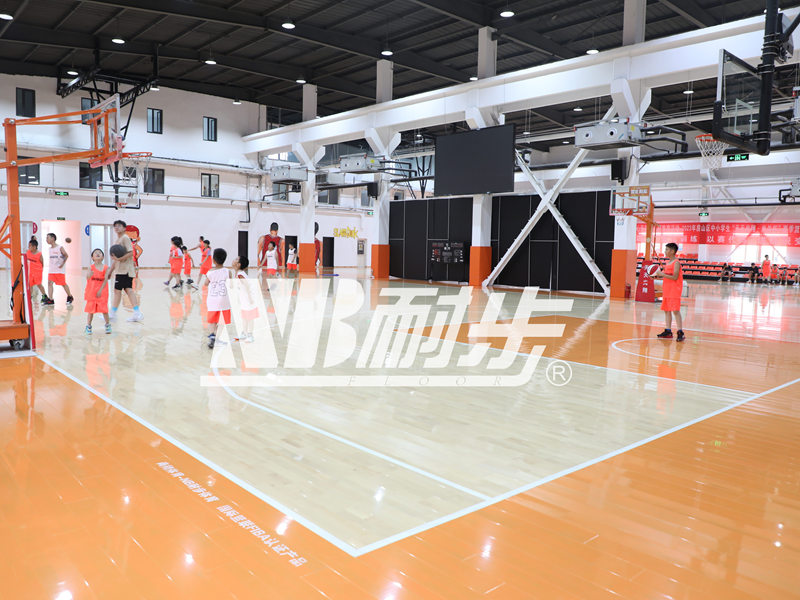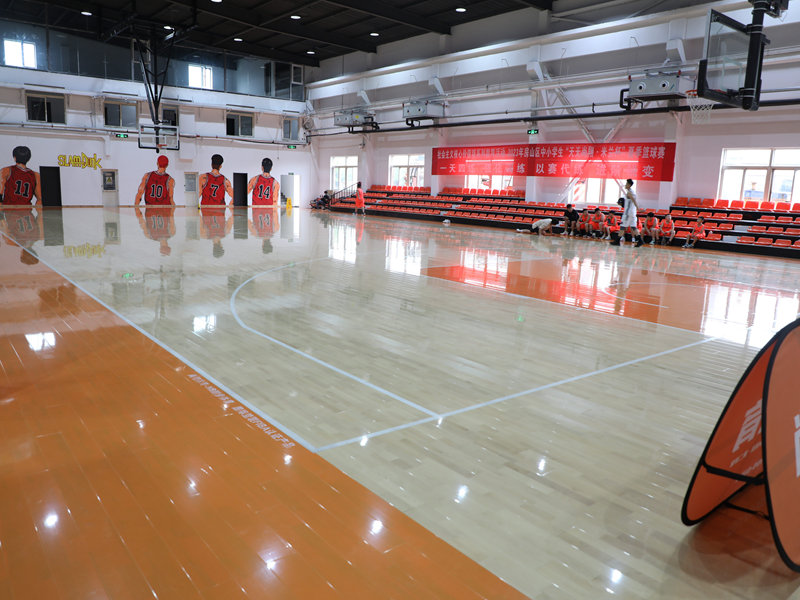
Okay folks, lemme tell you about my latest crazy idea – figuring out how to make a legit volleyball court floor that ain’t stuck in the ground forever. Yep, removable and hardwood, gotta have that sweet wooden feel for proper bumps and spikes. Seemed impossible at first, right?
The Pain Point and My Crazy Plan
I got super tired of seeing uneven dirt patches or crappy concrete messing up a good game at the local park. The good permanent courts are always booked solid. So I got it in my head: How can I build something tough like a proper court floor, but pack it up and haul it away when we’re done? Had to be wood, nothing else feels right for volleyball.
Building Blocks & Figuring It Out
First hurdle: what kinda wood to use? Regular hardwood planks? Nah, too heavy, too thick, gonna warp bad in weather. I dug around online and settled on using tongue-and-groove solid wood flooring planks, the kind usually glued down inside homes. Way thinner and lighter than decking boards.
- Bought a bunch of these planks, about 3/4 inch thick.
- Then realized, hold up, if they ain’t glued, how they gonna stay put when folks jump and dive? Panicked for a sec.
Brainwave time! I grabbed some super strong heavy-duty wood glue and just glued them together sideways in little sections – like making mini floor tiles myself. Each tile was maybe 6 planks wide and a few feet long. Felt messy, but hey, prototyping!
The Backbone – Making it Portable
Cool, got my little wood tiles. Now, how to connect ’em quickly and make sure the whole thing doesn’t slide apart under players?
- Messy Idea 1: Just butt them together? Big gap, tripping hazard. Nope.
- Messy Idea 2: Screw down battens? Too slow, ruins the planks.
Lightbulb moment! Remembered seeing metal connector plates hidden under floors. Went hunting and found steel joining plates with holes you screw onto the back side of each tile’s edges.
- Screwed one plate onto the left edge of a tile.
- Screwed the matching plate onto the right edge of the next tile.
- Heaved ’em together. CLICK! The plates hooked under each other. Used a rubber mallet to bang ’em really tight – felt surprisingly solid!
Did this for every edge, rows and columns. Now I had a locking grid holding everything down and together.
Ground Zero – The Big Test
Alright, nervous time. Hauled my stack of DIY floor tiles and plates to the usual bumpy park patch.
- Quickly swept off the loose gravel and dirt.
- Just laid the tiles down right on the ground, one by one, clicking those hidden steel plates together hard with the mallet.
- Snapped my volleyball net onto temporary poles nearby.
Grabbed some friends – time for the real test! Jump serves, hard spikes, dives… we went all out.
- SUCCESS! Felt amazing underfoot – proper wood court bounce and friction.
- The tiles stayed absolutely locked together, no shifting, no gaps opening up!
- Ground feel? Totally flat playing surface even on the uneven dirt.
Packing Up & The Verdict
Game done, time to vanish. Grabbed the mallet again, gently tapped the edges backwards to unhook those steel plates.
- Tiles lifted right up. No mess, no glue residue left behind.
- Stacked ’em up, loaded ’em in the truck.
BOOM! Removable Volleyball Hard Portable Wooden Flooring confirmed! It ain’t perfect, the plates are heavy and carrying the stack needs muscle, but holy cow it WORKED. Now I can make volleyball happen practically anywhere with flat’ish ground. Messy win!