Alright, let me tell you about this little project I got myself into involving a volleyball and my nice wooden floors. See, I really enjoy playing volleyball, just casually, you know? But the weather isn’t always great, and finding court time can be a pain. So, I thought, why not practice some bumps or serves at home?
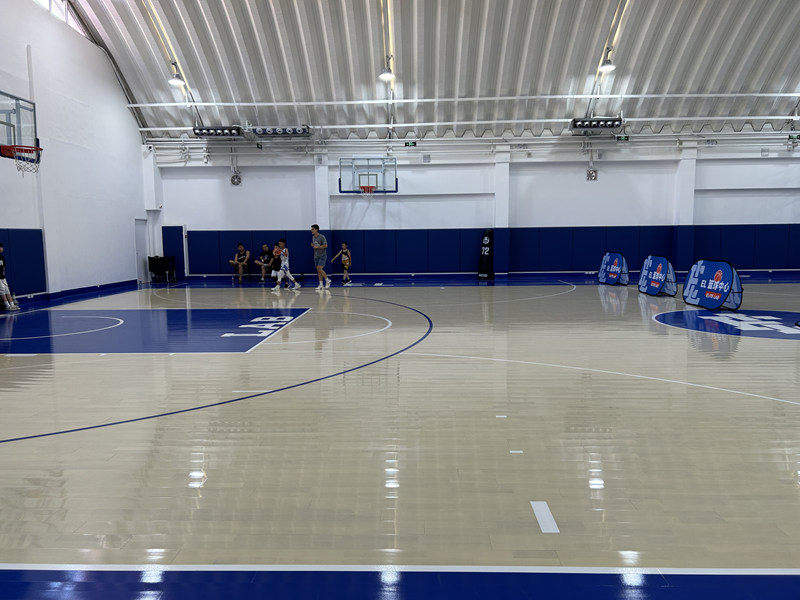
The Big Snag: Wooden Floors
Here’s the thing: I’ve got wooden flooring throughout my main living area. It looks great, but it’s not exactly designed for sports equipment. My main worry was scratching or denting the wood with a standard rubber volleyball. Those things can be pretty hard, especially when fully inflated. Plus, the noise! Bouncing a volleyball indoors sounds way louder than you think, and I didn’t want to drive myself crazy or annoy the neighbors.
Putting on My Thinking Cap (The “Engineer” Bit)
So, I had a problem to solve. How could I practice a bit without messing up my floors or causing a racket? I started thinking about ways to tackle this. It wasn’t exactly complex engineering, more like practical problem-solving.
Here’s what I went through:
- Different Balls? First thought – maybe not use a standard rubber volleyball? I tried one of those soft foam balls. Useless. Too light, flew everywhere unpredictably. Then I tried letting some air out of my regular rubber volleyball. Better, but still kinda loud on impact and I was still nervous about the floor.
- Protecting the Floor Directly: My next idea was to cover the floor. I grabbed some old blankets. Nope. They just bunched up and slid around – felt like a tripping hazard waiting to happen. Then I thought about those non-slip rug pads under an old, thick rug. That was a bit better for protection, but the rug muffled the bounce weirdly, and again, it slid more than I liked. Plus, dragging out a big rug just for 15 minutes of practice felt like too much hassle.
- The Mat Idea: I looked at proper gym flooring, those thick rubber mats. Way too expensive and overkill for my needs. But it led me to think about those interlocking foam puzzle mats, the kind you see in kids’ play areas. They are relatively cheap, lightweight, and easy to put together and take apart.
What Actually Worked
So, I decided to give the foam mats a shot. I bought a small pack, enough to make about a 6×6 foot square. It wasn’t huge, but big enough for some basic drills.
Here’s the setup I landed on:
I lay down the interlocking foam mats on the wooden floor. This created a dedicated, cushioned zone. They don’t slide much, and they definitely protect the wood underneath.
I use my standard rubber volleyball, but I keep it slightly underinflated. Not super soft, but just enough to take the edge off the impact and reduce the boom-boom noise.
I stick to specific drills. No wild spiking practice! Mostly controlled bumps (digs) and setting practice. Just focusing on technique, keeping the ball in the air over the mat area. If I want to practice serves, I serve gently against a sturdy sofa or a wall that doesn’t have anything breakable nearby, making sure the ball lands on the mats.
It’s obviously not the same as playing on a real court. But for keeping my hand in, practicing basic touches, and getting a little movement in when I can’t get outside, it works surprisingly well. The foam mats absorb most of the impact, protecting the wooden flooring, and dampening the sound quite a bit. And when I’m done? The mats come apart easily and stack away in a closet. Took a bit of trial and error, but this simple setup does the trick. Pretty pleased with how it turned out, honestly.